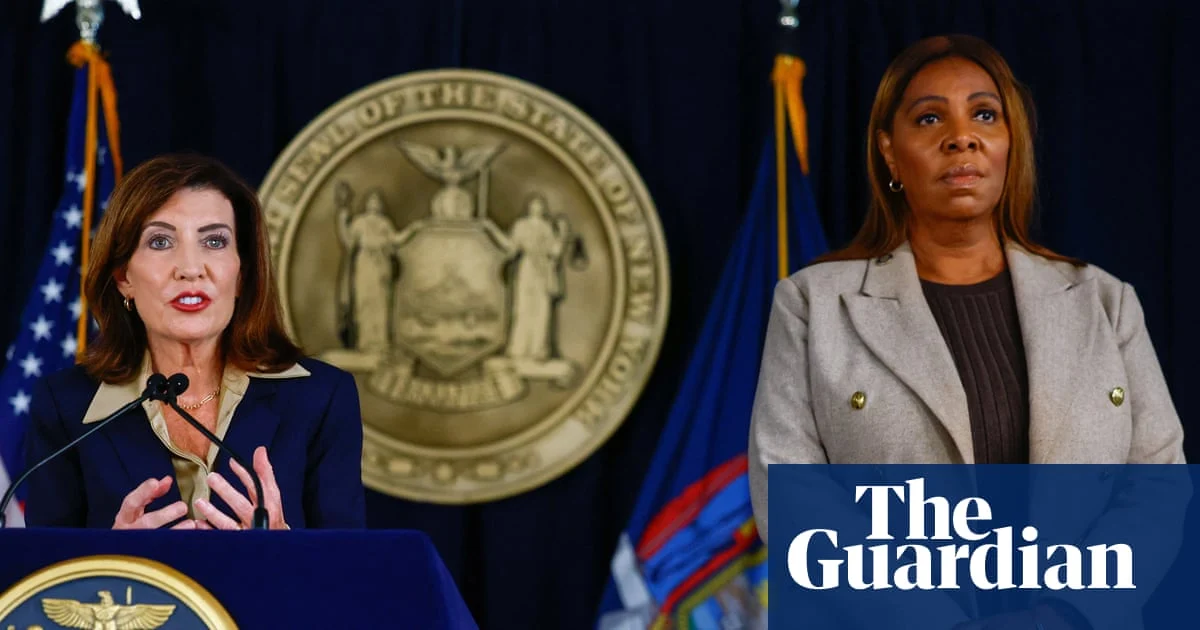
New York Governor Kathy Hochul said on Friday that a woman involved in an alleged 2024 gang-rape at a Cornell University fraternity house was failed by people and institutions obligated to protect her, including law enforcement and the county prosecutor.
Hochul, speaking alongside the state attorney general, criticized Cornell University’s handling of the case and pledged that all facts would be brought into the light. The attorney general has been appointed special prosecutor over the case.
KEY FACTS
- New York Governor Kathy Hochul said a woman in the alleged Cornell gang-rape case was failed by the system.
- The alleged incident occurred in a fraternity house at Cornell University in 2024.
- Hochul criticized the university, police, and the county prosecutor for their handling of the case.
- The state attorney general was appointed special prosecutor to take over the entire case.
- Hochul pledged to ensure that all facts of the case are brought into the light.
Who is affected and why this matters
The announcement places Cornell University under renewed public scrutiny regarding its response to sexual violence allegations. Governor Hochul’s statement suggests that state officials believe key actors—police, prosecutors, and university administrators—did not adequately serve the woman involved in the alleged Cornell gang-rape.
The involvement of the state attorney general as special prosecutor indicates that the matter has escalated beyond local jurisdiction. This shift often occurs when concerns arise about conflicts of interest or insufficient action at the county level. The move also signals that the case may attract broader attention, including from advocacy groups focused on campus safety and survivor rights.
Students, faculty, and families at Cornell and other New York institutions may be directly impacted if the case leads to policy reviews or reforms. Campus climate surveys, Title IX procedures, and local law enforcement protocols could face renewed examination. For survivors of sexual violence, the outcome of this case could influence trust in reporting mechanisms and the effectiveness of institutional responses.
What happens next?
With the state attorney general now serving as special prosecutor, the case moves from the county level to the state level. This transition often involves a review of previously gathered evidence, potential interviews with witnesses, and coordination with university officials for records and documentation.
Governor Hochul’s pledge to bring all facts into the light suggests that the investigation is expected to expand in scope. Public pressure and media coverage may increase as the case proceeds, especially given the high-profile nature of the allegations involving a prestigious Ivy League institution. No timeline for major developments was provided in the briefing.
WHAT WE KNOW — AND WHAT WE DON’T
Verified by the source:
- Governor Hochul stated the woman was failed by police, prosecutors, and other officials.
- The incident was described as an alleged gang-rape at a Cornell fraternity house in 2024.
- The state attorney general was appointed special prosecutor to oversee the case.
- Hochul committed to ensuring all facts of the case are brought into the light.
Still unconfirmed:
- The identity of the victim or alleged perpetrators has not been disclosed.
- Specific details about the timing, location, or circumstances of the alleged incident are not available.
- No formal charges have been publicly reported at this time.
- The basis for the governor’s criticism of university and local officials remains unspecified.
WHY IT MATTERS
This case highlights ongoing national concerns about how educational institutions and law enforcement respond to allegations of sexual violence, particularly on college campuses. When survivors report assault and institutions fail to act effectively, it can compound trauma and erode public trust. The elevation of this case to the state level may signal increased accountability efforts and could prompt broader conversations about institutional responsibility and survivor support systems.
WHAT TO WATCH
Future court filings, public statements from prosecutors, and potential testimony or hearings will determine whether the case moves forward. Officials have not provided a schedule for next steps, but public attention is expected to remain heightened.