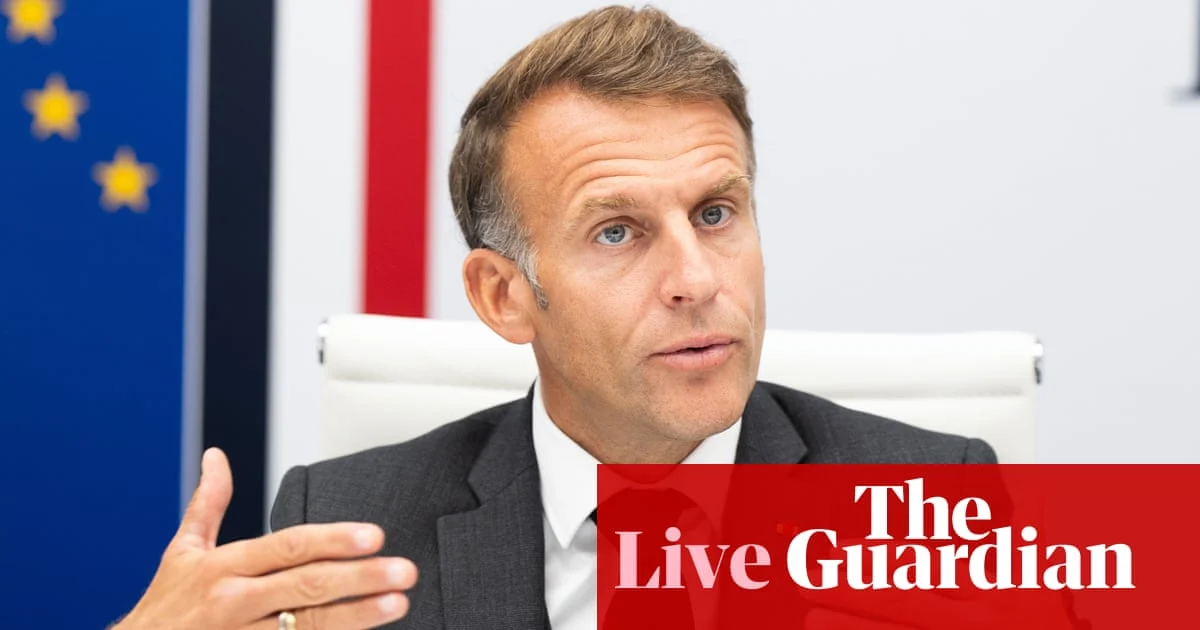
The Group of Seven (G7) nations have agreed to release 100 million barrels of oil from their strategic petroleum reserves in an effort to combat surging diesel prices. The move comes as countries across Europe grapple with soaring energy costs driven in part by geopolitical tensions and supply disruptions. French President Emmanuel Macron stated that the G7 would act in a coordinated manner to bring down petroleum product prices, marking one of the largest coordinated reserve releases in recent history.
The decision reflects mounting pressure on governments to cushion consumers and businesses from record-high fuel expenses. Diesel prices have surged particularly sharply over the past year, affecting transportation sectors and increasing inflationary pressures worldwide. In France, unrest has erupted in response to economic strain, with hundreds of schools disrupted and nearly 600 arrests made during ongoing high school protests.
Key Facts
- G7 nations will release 100 million barrels of oil from reserves.
- The initiative aims to curb surging diesel prices across member states.
- French President Macron announced the plan to act in a coordinated manner.
- Protests in France disrupted 564 schools, with 600 arrests reported.
- Actions follow sustained increases in petroleum product prices.
What Is the G7 Doing?
The G7, composed of Canada, France, Germany, Italy, Japan, the United Kingdom, and the United States, coordinates policies on global economic issues including energy security. By tapping into strategic petroleum reserves—stockpiles maintained for emergency use—the group seeks to temporarily increase crude supply and reduce market volatility. These reserves are typically used during supply shocks or natural disasters, though this coordinated drawdown signals a significant policy response to persistent inflation concerns.
Each country contributes proportionally based on its share of consumption and reserve capacity. For example, the U.S. alone holds roughly 400 million barrels in its Strategic Petroleum Reserve, making such a contribution feasible. The release is expected to begin imminently, though exact timing varies by nation.
What Happens Next?
Market analysts expect only short-term relief from the release, given structural issues affecting oil production and refining capacity. Long-term stabilization may require further fiscal measures or investment in alternative fuels. Meanwhile, the domestic situation in France remains tense. High school students have taken to the streets protesting against rising living costs, leading to clashes with police and widespread school closures. Authorities report continued unrest into the afternoon, suggesting deeper public dissatisfaction beyond energy policy alone.
Other European economies face similar challenges but have yet to announce additional interventions. The effectiveness of the G7’s action will likely be measured within weeks through shifts in international crude benchmarks like Brent Crude. However, experts caution that unless underlying causes—such as sanctions-related supply constraints—are resolved, price relief may prove temporary.
What We Know — and What We Don’t
Verified by the source:
- The G7 plans to release 100 million barrels from strategic reserves.
- President Macron confirmed the intent to coordinate pricing efforts.
- 564 schools were disrupted due to French protests.
- ~600 individuals were arrested amid ongoing demonstrations.
Still unconfirmed:
- Exact start date and duration of the reserve releases.
- Allocation breakdown per participating country.
- Causes behind the protests beyond general unrest.
- Impact of the release on global oil prices.
- Whether other nations outside the G7 will join the effort.
Why It Matters
Rising fuel and energy costs affect everyone—from commuters filling up at gas stations to truckers delivering goods nationwide. When governments step in to stabilize markets, it shows how interconnected financial systems truly are. This release represents not just a technical economic maneuver, but also a signal of political solidarity among major democracies confronting shared hardships.
What To Watch
Future announcements from individual G7 nations regarding reserve drawdown schedules could clarify implementation timelines. Market reactions in the coming trading sessions should also reveal whether investor confidence improves following the announcement.
G7 countries plan a joint release of 100 million barrels to ease record diesel prices, while protests sweep through France disrupting education and arresting hundreds.
For updates on energy markets, see our war and geopolitics or economy and markets coverage sections.