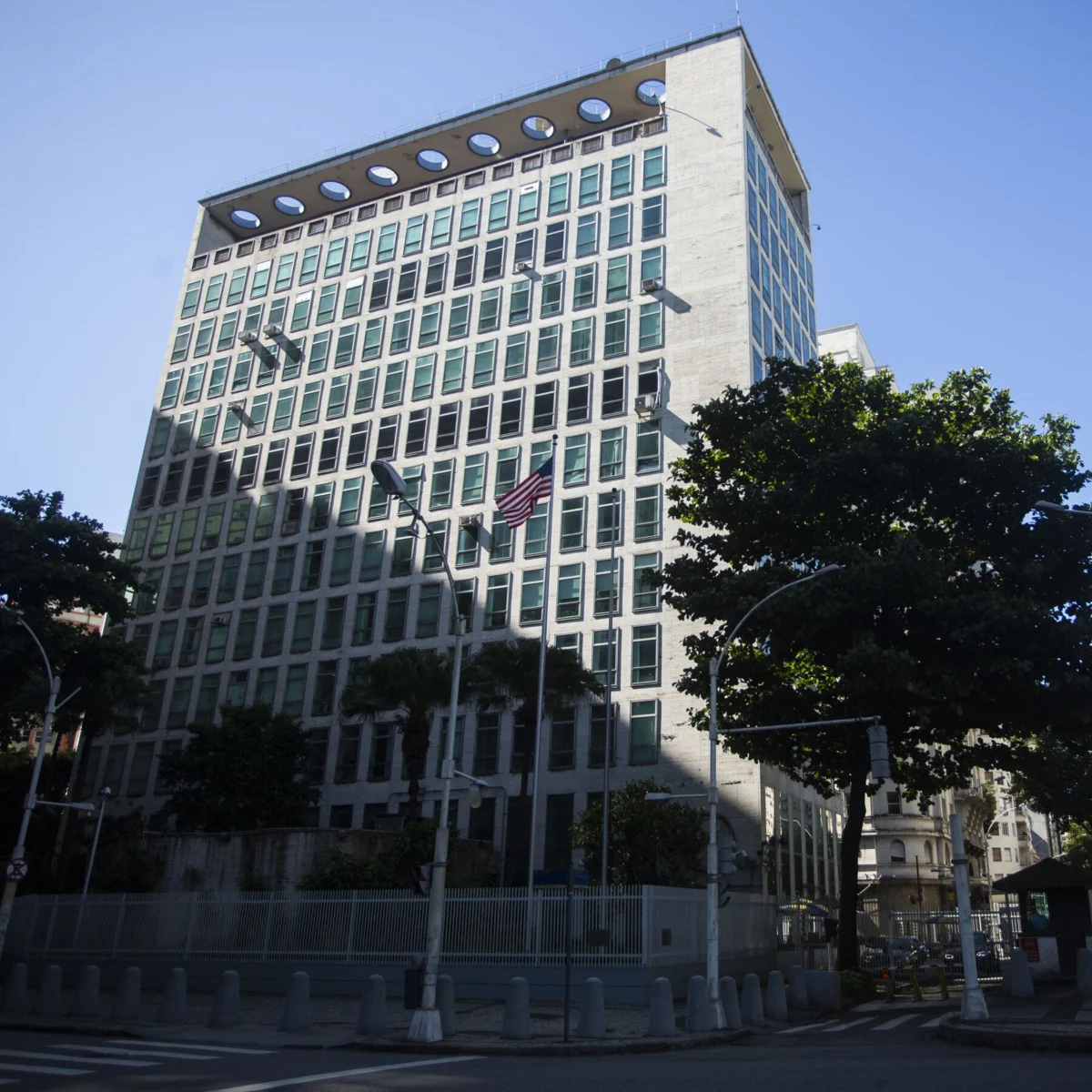
The U.S. State Department has suspended consular services across Brazil, citing unspecified security concerns as the country prepares for a closely contested presidential election on Sunday. The move represents an unusual precautionary step taken just before one of Latin America’s most consequential votes, though no further details about the nature of the threats or risks were disclosed.
The decision affects American citizens seeking passport assistance, visa services, and other routine consular operations throughout Brazil. While the U.S. government did not elaborate on specific threats, the suspension signals heightened wariness about potential instability surrounding the ballot. Brazil’s electoral process has drawn international attention amid polarizing political dynamics, raising questions about how external actors may position themselves during critical moments of regional democratic expression.
KEY FACTS
- The U.S. suspended consular services in Brazil due to security concerns.
- The suspension occurred on the eve of Brazil’s presidential election.
- No specific details about the security concerns were provided.
- A closely contested presidential election is scheduled for Sunday.
- The action was announced by the U.S. State Department.
Why This Move Was Taken
The U.S. State Department cited unspecified security concerns as the sole reason for halting consular services in Brazil. Without additional elaboration, it remains unclear whether these concerns relate to broader civil unrest, targeted threats, or intelligence indicating elevated risk for American personnel or facilities. This lack of specificity aligns with standard diplomatic caution when addressing potential vulnerabilities during high-stakes political events.
In recent years, diplomatic missions worldwide have increasingly faced disruptions tied to local tensions surrounding elections. In Brazil’s case, the closeness of the race and widespread public engagement have created an environment where even indirect risks can prompt protective measures. The suspension underscores how electoral periods can strain normal diplomatic operations, particularly when governments perceive unpredictable conditions.
How Did We Get Here?
Brazil is set to hold a tightly contested presidential election on Sunday, which has intensified domestic and international scrutiny. With polling suggesting a narrow margin between candidates, fears of post-election uncertainty—including protests, legal disputes, or institutional friction—have grown. These dynamics likely influenced the U.S. assessment that maintaining full consular functions posed unnecessary exposure at a sensitive time.
This decision comes within a broader pattern of adjusted diplomatic postures during global elections. From Europe to Africa to the Americas, foreign embassies often scale back visibility or shift resources in response to anticipated volatility. For U.S. consular services in Brazil, this means American travelers and residents must now seek emergency help through alternative channels, potentially complicating situations requiring immediate assistance.
What We Know — and What We Don’t
Verified by the source:
- The U.S. State Department suspended consular services in Brazil citing unspecified security concerns.
- The suspension took place on the eve of Brazil’s presidential election.
- The election is described as closely fought and scheduled for Sunday.
Still unconfirmed:
- The specific type or severity of security threat prompting the suspension.
- Whether all consular locations nationwide were affected or only select sites.
- If any diplomatic staff were directly endangered or relocated.
- Whether normal services will resume immediately after the election concludes.
Why It Matters
Democratic processes in major emerging economies like Brazil significantly influence regional stability and global market sentiment. When a country like the United States takes rare steps such as suspending consular services in Brazil, it reflects concerns that extend beyond bilateral relations. Such actions highlight the intersection of domestic security assessments with international diplomatic presence during pivotal political events.
What To Watch
The resumption of consular services in Brazil will signal whether the perceived risks have subsided. Observers also await possible statements from the U.S. Embassy in Brasília offering more granular guidance for Americans needing urgent assistance during the election period. The outcome of Brazil’s vote and any related disturbances may further inform future diplomatic protocols during similar regional elections.