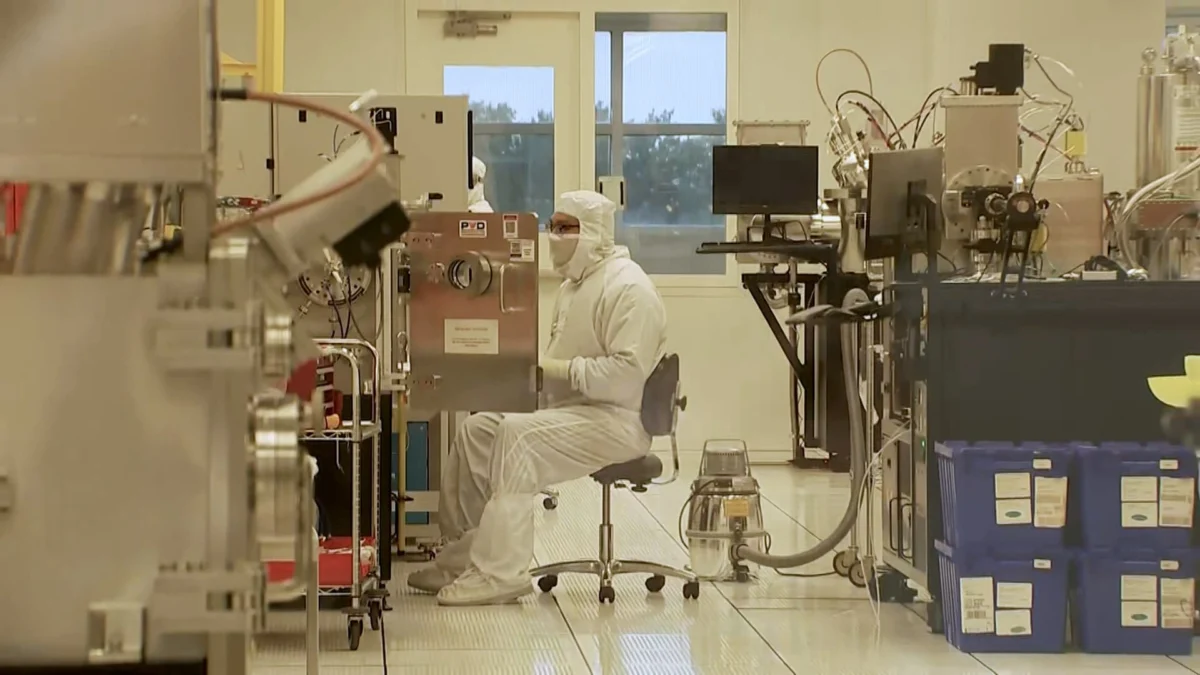
US semiconductor manufacturers are confronting a historic worker shortage as AI chip demand surges, deepening concerns over the nation’s ability to meet growing production needs. The labor gap is widening just as the industry rushes to expand domestic manufacturing capabilities, raising alarms among major chipmakers and policymakers alike.
With AI chip production accelerating and federal incentives fueling new factory construction, companies say the current workforce pipeline cannot keep pace with hiring demands. Universities and trade programs are being pressed to rapidly scale semiconductor education efforts to close the gap.
Key Facts
- US semiconductor manufacturing faces a historic worker shortage.
- AI chip demand is surging across US markets.
- Chipmakers are issuing urgent warnings about labor gaps.
- US universities are working to train more semiconductor workers.
Why the Labor Gap Matters Now
The push to rebuild US semiconductor capacity gained momentum following federal policy changes aimed at reducing reliance on overseas suppliers. As AI chip fabrication expands, manufacturers require specialized technicians, engineers, and production staff trained in advanced clean-room operations. Without enough skilled labor, even well-funded factories may struggle to reach full output, delaying economic benefits and slowing technological progress.
Industry leaders have sounded the alarm that every month of delay in scaling training programs translates into slower production ramp-ups. This bottleneck affects not only AI chipmakers but also automotive, defense, and consumer electronics sectors dependent on reliable semiconductor supplies.
What Happens Next?
Companies are partnering with community colleges and universities to design fast-track certification courses tailored to semiconductor manufacturing roles. These collaborations aim to shorten traditional academic timelines while maintaining technical rigor, ensuring graduates can contribute immediately to production lines.
Government officials have indicated that workforce development funding will prioritize STEM education initiatives aligned with semiconductor industry needs. Early signs suggest increased enrollment in relevant programs, though experts emphasize that closing a shortfall of tens of thousands of workers will take years of sustained investment and coordination.
What We Know — and What We Don’t
Verified by the source:
- US semiconductor manufacturing is experiencing a deep labor shortage.
- AI chip demand continues to rise sharply.
- Chipmakers have publicly warned about workforce constraints.
- Universities are adapting curricula to support chip industry hiring.
Still unconfirmed:
- Exact number of workers needed beyond reported estimates.
- Timeline for resolving the labor shortfall.
- Effectiveness of current training program expansions.
Major defense contractors, automakers, and tech firms depend on stable semiconductor supplies to sustain innovation and production. Restoring domestic chip capacity strengthens national security and economic resilience, but delays in workforce growth could slow the broader benefits of recent industrial investments.
For readers tracking policy and market shifts, follow developments in economy and markets and tech-ai coverage for updates on semiconductor employment trends and related hiring data.
AI chip talent shortage threatens US manufacturing goals amid rising demand.
Why It Matters
The convergence of AI-driven demand and domestic manufacturing incentives places workforce readiness at the center of national competitiveness. AI chip talent shortages could ripple through supply chains, delaying innovations in everything from autonomous vehicles to cloud computing infrastructure. Addressing this challenge now will shape how quickly the US can fully realize its semiconductor ambitions.
What To Watch
Key indicators will include quarterly hiring reports from major chipmakers, enrollment figures from semiconductor-focused academic programs, and any additional federal funding announcements targeting workforce development.