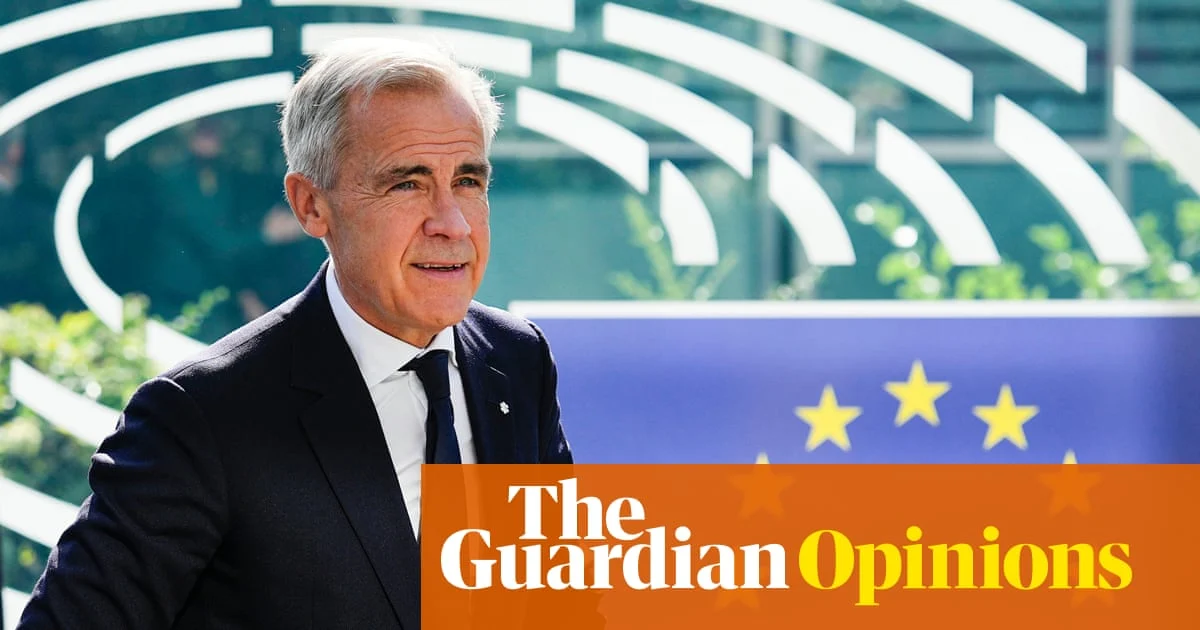
BRUSSELS — The European Union has proposed elevating ties with Canada to the highest possible level, inviting Ottawa to become the first nation to enter a new form of strategic partnership short of formal membership. Canadian Prime Minister Mark Carney welcomed the initiative, calling for ‘strategic autonomy through deep cooperation’ across multiple domains including trade, defense, industrial capacity, science, space, and artificial intelligence.
The proposal, outlined by European Commission President Ursula von der Leyen during her State of the Union address, introduces the concept of an ‘associate membership’ model—a political hypothesis without a defined framework. Carney, addressing the European Parliament, reciprocated the sentiment and suggested Canadian participation in key EU programs such as Erasmus and Horizon Europe.
KEY FACTS
- Commission President Ursula von der Leyen invited Canada to a new ‘highest level possible’ partnership.
- Canadian PM Mark Carney proposed Canadian participation in EU’s Erasmus and Horizon schemes.
- No formal ‘associate membership’ blueprint exists within the EU structure.
- The idea reflects shared interests and values between the EU and Canada.
- Areas of cooperation include trade, defense, science, space, and AI.
Who Is Affected?
The potential EU-Canada partnership affects millions of citizens and businesses on both sides of the Atlantic. For Canadians, the initiative could open doors to deeper integration with Europe’s single market, greater access to research funding, and enhanced student mobility through programs like Erasmus. Canadian companies operating in sectors such as aerospace, technology, and clean energy may benefit from reduced barriers and streamlined regulatory alignment with EU standards.
For Europeans, closer ties with Canada offer access to vast natural resources, expanded markets for manufactured goods, and collaborative opportunities in emerging technologies like AI and space exploration. The proposal also signals a shift in global geopolitics, where mid-tier powers seek alternatives to U.S.-centric alliances amid growing uncertainty over American leadership and policy consistency.
Importantly, the initiative casts a stark contrast with the United Kingdom’s post-Brexit standing. While Canada explores unprecedented levels of strategic alignment, Britain remains largely excluded from key EU frameworks after leaving the bloc. Analysts note that Mark Carney’s coherent vision stands in sharp relief to what they describe as a lack of direction in London’s post-Brexit foreign and economic strategy.
How Did We Get Here?
The roots of this renewed push trace back to shifting dynamics in transatlantic relations following the election of U.S. President Donald Trump and his unpredictable approach to international alliances. Concerned about reliability of traditional partnerships, major players like the EU and Canada have sought stronger bilateral engagements to secure mutual interests.
In recent years, Canada under Carney has prioritized strengthening diplomatic and economic links beyond North America. Von der Leyen’s speech marked a symbolic breakthrough, framing the relationship not merely as one of friendship but as a necessity driven by converging values and common threats—from climate change to supply chain vulnerabilities.
While no timelines or concrete agreements were announced, both sides expressed optimism about future negotiations. The absence of a formal structure for associate membership means discussions will likely focus on defining terms, setting priorities, and identifying compatible policy frameworks—an intricate process requiring careful negotiation.
What We Know — and What We Don’t
Verified by the source:
- Von der Leyen invited Canada to a new strategic partnership during her State of the Union speech.
- Mark Carney responded positively, advocating for cooperation in multiple strategic areas.
- Canada was invited to participate in Erasmus and Horizon programs.
- The term ‘associate membership’ lacks official definition or precedent in EU law.
Still unconfirmed:
- Exact scope and legal mechanisms behind the proposed partnership remain unclear.
- No timeline provided for formal talks or agreement drafting.
- Details on how Canadian involvement in EU programs would be structured or funded.
- Level of parliamentary approval required or anticipated steps forward.
Why It Matters
As traditional alliances come under strain, smaller and middle powers are seeking new models of international cooperation. An upgraded EU-Canada relationship could reshape regional influence, set precedents for non-member states seeking closer integration, and influence global trade and security arrangements for decades to come.
What To Watch
Observers now await official responses from EU member states and details on early-stage negotiations. Analysts expect developments around trade protocols, defense collaboration, and scientific exchange to emerge in the coming months.
Meta description: The EU invites Canada to a new strategic partnership, with PM Mark Carney proposing deep cooperation across trade, defense, science, and more.