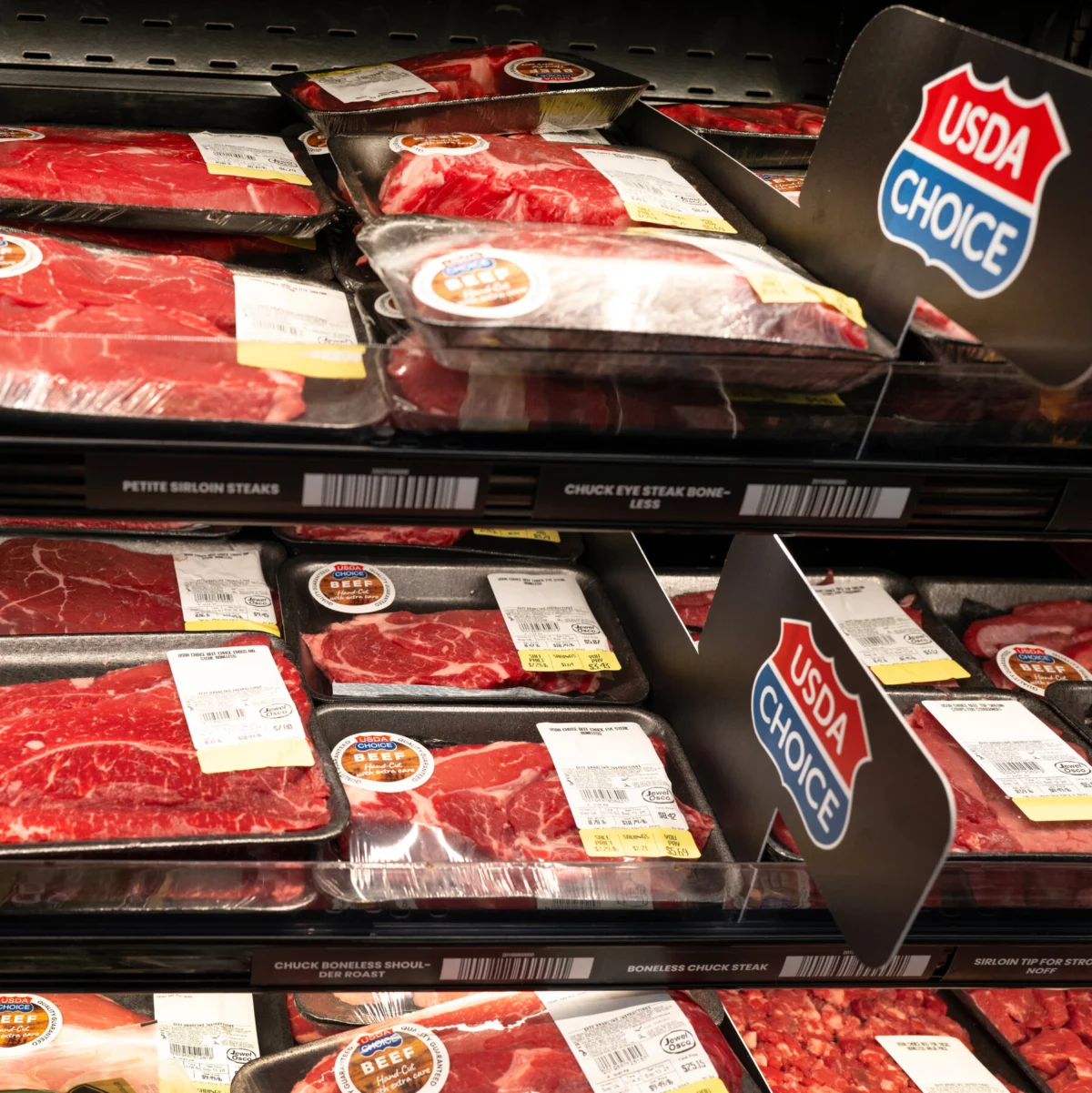
The Trump administration is backing new rules requiring clearer labeling of beef imports, seeking to satisfy U.S. ranchers who say increasing volumes of cheaper foreign beef are undercutting domestic producers. The Agriculture Department wants American consumers to pay a premium for U.S.-raised beef by making the country of origin more visible on packaging.
The move reflects longstanding tensions between U.S. ranchers and importers. Ranchers have argued that labeling rules currently allow foreign beef to be processed and sold in the U.S. without clear indication, making it hard for consumers to distinguish American beef on store shelves. The department hopes that clearer beef import labels will steer consumer demand toward U.S. products.
Key Facts
- The Agriculture Department aims to increase consumer spending on domestic beef.
- Ranchers are upset over increased, cheaper imports.
- New rules may require ‘Made in U.S.A.’ labels on beef products.
- Labels are intended to highlight U.S. beef origin.
What Happens Next?
The Agriculture Department is preparing beef import labels that would distinguish American-raised cattle from foreign-sourced meat, a step aimed at calming ranchers who say falling prices reflect growing competition from abroad. Officials hope that clearer labeling will give consumers confidence to choose domestic beef even at higher prices. The rules are still under review, and no timeline for implementation has been announced. Trade groups expect pushback from importers and retailers who could see costs rise. If finalized, the changes could shift how grocery chains sort and market their meat counter inventory. Consumer groups have not yet weighed in publicly.
Who Is Affected by the Proposed Beef Import Labels?
American ranchers have long complained that rising imports of cheaper beef hurt their bottom line, and they see clearer beef import labels as a way to level the playing field. Meanwhile, consumers may eventually notice higher prices for items marked as domestic, and foreign exporters could lose some market share if buyers favor locally labeled products. The Agriculture Department is caught between protecting U.S. agricultural interests and avoiding trade friction, leaving all sides watching closely.
How Did We Get Here?
Pressure from ranchers has mounted as beef import volumes have climbed, prompting the Agriculture Department to reconsider existing labeling policies. The idea of beef import labels designating ‘Made in U.S.A.’ meat is now gaining traction in Washington, reflecting a broader push to promote American-grown products across industries. Supporters argue the labels will let consumers make informed choices without explicitly banning foreign beef.
What We Know — and What We Don’t
Verified by the source:
- The Agriculture Department intends to encourage higher consumer spending on U.S. beef.
- Ranchers are angered by increased, cheaper beef imports.
- Proposed rules may require ‘Made in U.S.A.’ labels on beef.
Still unconfirmed:
- No official timeline or regulatory text has been released.
- Exact label wording and enforcement mechanisms are unclear.
- The number of affected ranchers or import volume is not specified.
Why It Matters
This effort ties into a broader national trend of favoring American-made goods, especially in agriculture where trade disputes and price declines weigh heavily on rural communities. For consumers navigating grocery aisles, clearer beef import labels could eventually reshape shopping habits and influence how much they pay for meat. Explore more on economy and markets.
What To Watch
Observers will watch whether the department finalizes the beef import label rule, and whether importers challenge it. Further updates may emerge from trade and agriculture channels.