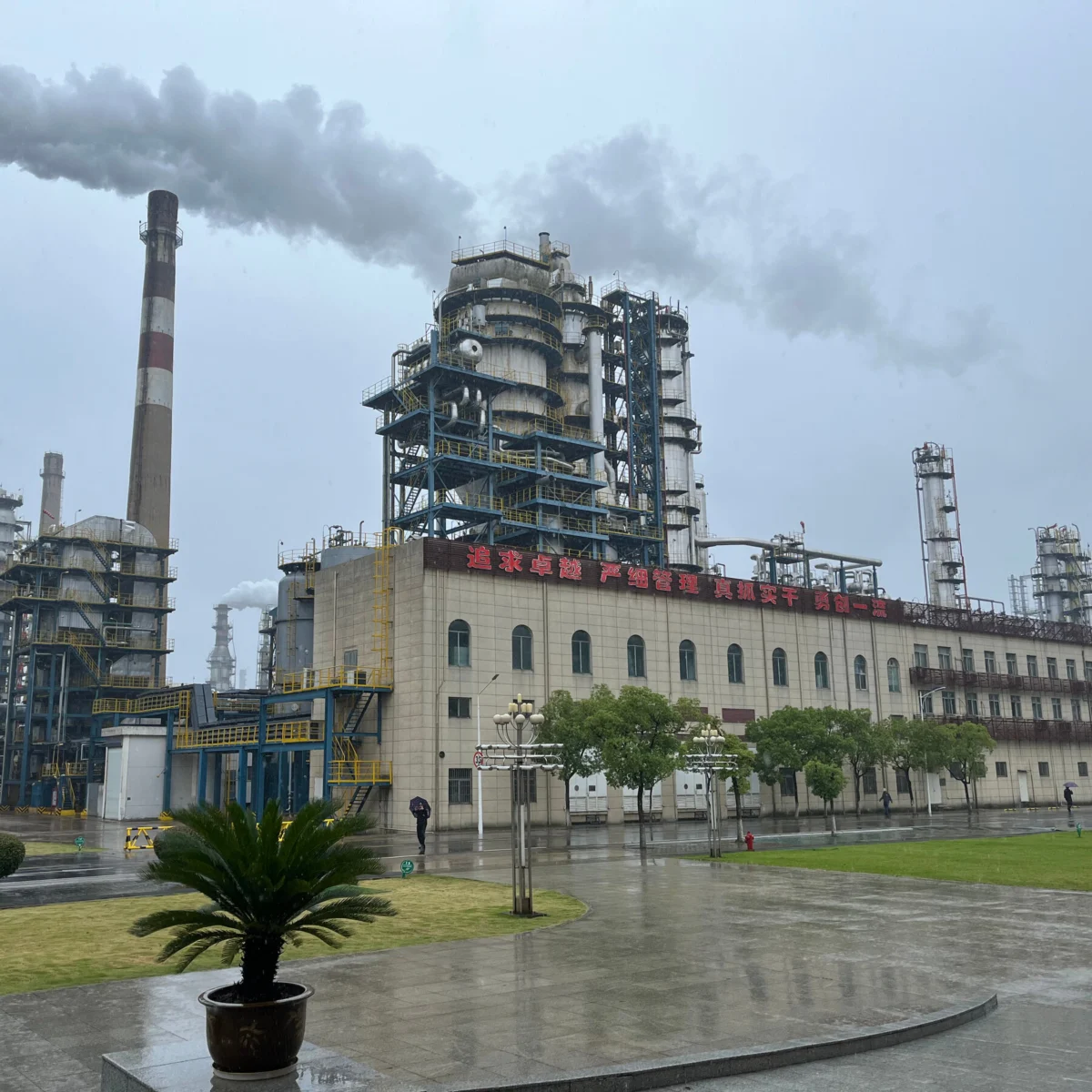
China’s role as the world’s largest oil importer has grown into a strategic advantage that increasingly shapes global energy markets. By maintaining substantial oil reserves and managing fuel supplies, China can influence prices and affect the availability of products such as jet fuel, gasoline, and diesel for other nations.
The recent war with Iran highlighted this influence, revealing how interconnected energy security has become with broader geopolitical dynamics. Countries dependent on energy imports now face heightened uncertainty about their access to refined fuels, underscoring the importance of strategic reserves and international coordination.
KEY FACTS
- China is the world’s biggest oil importer.
- War with Iran exposed China’s influence over energy prices.
- China affects supplies of jet fuel, gasoline, and diesel globally.
- China stockpiled oil, enhancing its energy leverage.
Why China’s Oil Reserves Matter
As the largest oil importer, China has long pursued energy security through state-managed reserves and commercial stockpiles. These reserves serve both economic and strategic purposes, allowing the country to buffer global price shocks and maintain stable domestic fuel markets. They also grant China significant discretion in how and when oil enters the global market, influencing supply chains and pricing mechanisms worldwide.
Strategic petroleum reserves enable importing nations to reduce dependence on real-time supply disruptions. However, when managed by a dominant buyer like China, they can also function as instruments of external influence, particularly when paired with diplomatic or economic initiatives.
How the Iran Conflict Shaped This Dynamic
The war with Iran revealed how supply chain interruptions affect refined products such as jet fuel, gasoline, and diesel. Nations reliant on these fuels experienced volatility not simply because of production cuts, but because downstream logistics were disrupted, highlighting how regional conflicts ripple through global commodity networks.
China’s ability to continue importing oil during the conflict demonstrated its capacity to secure energy even amid regional instability. This resilience contrasts with the vulnerabilities faced by other economies lacking comparable infrastructure or reserve capabilities, reinforcing China’s growing clout in energy diplomacy.
What We Know — and What We Don’t
Verified by the source:
- China is the world’s largest oil importer.
- China has actively stockpiled oil to build strategic reserves.
- The war with Iran exposed China’s influence over energy prices and fuel supplies.
- Global markets rely on China’s decisions regarding oil purchases and distribution.
Still unconfirmed:
- The exact volume or timeline of China’s oil stockpiling efforts.
- Whether China intentionally manipulated prices during the conflict.
- Specific mechanisms linking China’s actions to global jet fuel or diesel shortages.
Why It Matters
This development matters because it reflects a fundamental shift in how global energy markets operate. Nations once dependent on Western-dominated oil trading systems must now navigate a landscape where a single importer holds considerable sway, reshaping alliances, pricing structures, and long-term investment strategies across sectors tied to transportation, manufacturing, and defense.
What To Watch
Observers will watch how China balances its energy security goals with multilateral commitments, especially as new geopolitical tensions emerge that test the stability of international supply chains.
Meta description: China stockpiled oil and now wields significant influence over global energy prices, fuel supplies, and refined products like jet fuel and diesel.