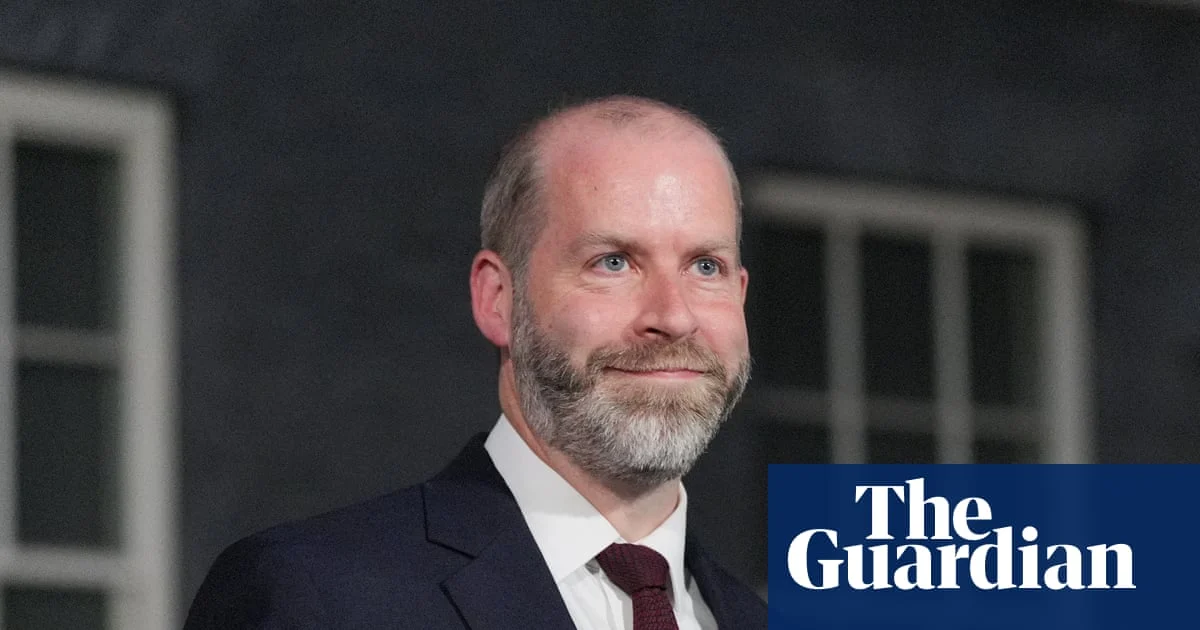
UK officials have started discussions with the European Union about restoring aspects of the pre-Brexit relationship, including the possible return of free movement, according to Business Secretary Jonathan Reynolds. These exploratory talks are taking place ahead of a planned EU summit in November, where trade barriers and a youth mobility scheme are expected to be on the agenda.
Reynolds said the British government aims to secure a long-term and stable relationship with the EU, emphasizing that the final decisions rest with the public. While the immediate focus is on easing trading restrictions and expanding opportunities for young people, the broader negotiations signal renewed interest in aligning more closely with European policies, although no formal agreement has been announced.
Key Facts
- UK officials are discussing a long-term relationship with the EU.
- Free movement is among the topics under consideration.
- Business Secretary Jonathan Reynolds commented on the ongoing talks.
- The November EU summit will focus on trade and youth mobility.
- The PM reportedly supports a stable, long-term relationship with the bloc.
EU Relationship Talks: What Is on the Table?
The discussions reportedly cover future options for the relationship between the UK and the EU, beyond just trade and youth mobility. These could include regulatory alignment, visa access, and labor mobility—issues that dominated the Brexit debate. The idea of returning to free movement has been politically sensitive in the UK since the 2020 departure from the EU.
Trade restrictions introduced post-Brexit have complicated cross-border commerce, particularly in goods like food and manufacturing products. A youth mobility deal would allow young Britons and Europeans to live, work, or study in each other’s territories, potentially deepening cultural exchange. However, these talks remain preliminary, and public opinion is divided on deeper ties.
How Did These Talks Begin?
The talks follow months of diplomatic signaling from both sides. EU officials have expressed willingness to explore sectoral agreements, while UK ministers have sought to reset relations after years of friction. Reynolds framed the negotiations as responsive to economic realities and public demand for smoother trade.
The November summit is expected to produce concrete outcomes, though the scope of integration remains uncertain. Critics of closer alignment warn of sovereignty concerns, while supporters argue it would benefit jobs, students, and businesses. No deadline or timeline was specified for broader decisions.
What We Know — and What We Don’t
Verified by the source:
- The UK and EU are holding discussions on a long-term relationship.
- Free movement may be part of ongoing negotiations.
- The November summit will address trade and youth mobility.
- Jonathan Reynolds is the UK Business Secretary involved.
- Prime Minister Andy Burnham supports a stable EU relationship.
Still unconfirmed:
- Exact terms or legal frameworks for free movement.
- Timeline for finalizing any youth mobility agreement.
- Whether other EU leaders have responded publicly.
- Specific sectors targeted in trade restriction talks.
- Polling data on public support for these measures.
Why It Matters
These discussions mark a potential shift in UK foreign and economic policy years after Brexit. Closer ties with the EU could affect everything from job markets to university exchange programs, influencing daily life for millions of citizens on both sides.
What To Watch
Observers will watch whether the November summit yields an agreement on trade and mobility. Further statements from UK or EU leaders may clarify whether full free movement is back on the negotiating table.
Meta description: UK begins talks on long-term EU ties and possible free movement ahead of November summit focused on trade and youth mobility.