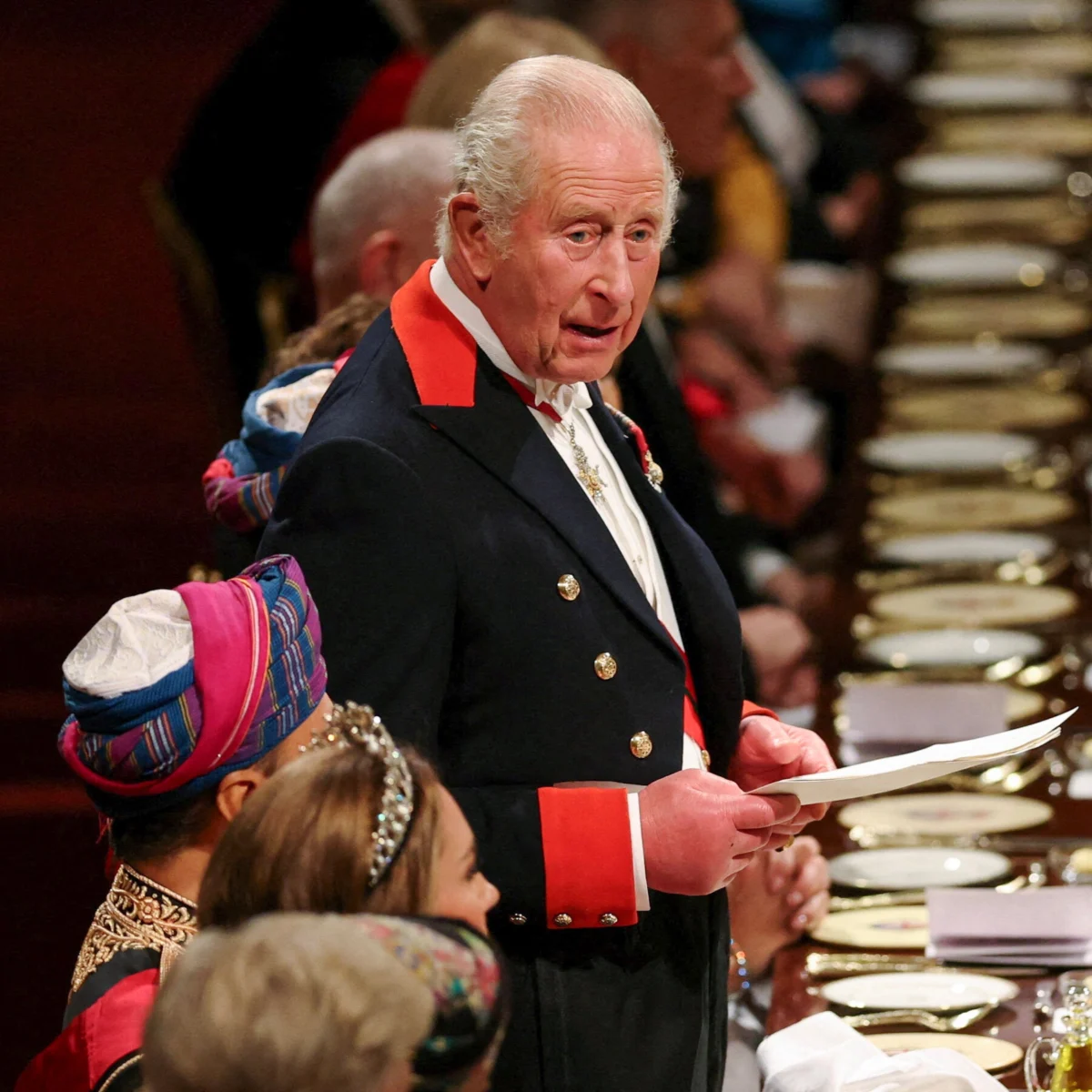
King Charles is set to undertake a Caribbean tour that will test his role as head of state amid renewed demands for reparations and apologies over the UK’s colonial legacy. The visit coincides with his attendance at the Commonwealth heads of government meeting. The king will confront calls for reparations and apologies for his country’s colonial past as he attends the Commonwealth heads of government meeting.
Key Facts
- King Charles will undertake a Caribbean tour.
- He will attend the Commonwealth heads of government meeting.
- Calls for reparations and colonial-era apologies are expected during the trip.
- The tour is described as presenting high-stakes challenges.
The Story: What happens next?
The Caribbean tour forms part of King Charles’s broader diplomatic calendar as he represents the UK at the Commonwealth heads of government meeting. The gathering brings together leaders from across the 56-nation Commonwealth, making it a key forum for discussing shared history and future cooperation.
For many Caribbean nations, the tour arrives at a moment of intensified debate over reparations for slavery and colonial rule. Regional leaders and activists have long argued that former colonial powers bear responsibility for lasting economic and social harm, and they see the Commonwealth summit as an opportunity to press the issue on an international stage.
As the British monarch, Charles occupies a symbolic position that ties directly into these discussions. His attendance at the summit, followed by engagements across the Caribbean, places him at the center of conversations about accountability, reconciliation, and the modern meaning of the Commonwealth relationship.
The Story: Who is affected?
The tour touches on issues of immediate relevance to Caribbean governments and civil society groups who have advocated for reparations and formal apologies. These communities view the UK’s colonial past as directly connected to present-day challenges in the region, including economic inequality and cultural loss.
At the same time, the Commonwealth as an institution faces renewed scrutiny over its historical foundations. The organization, established during the height of British imperialism, continues to grapple with its identity as both a legacy body and a platform for modern multilateral dialogue.
British officials accompanying the monarch are expected to navigate sensitive diplomatic terrain. While the monarchy maintains a neutral stance on political matters, the symbolism of the royal presence during a tour focused on colonial accountability places pressure on all participants to address difficult questions about history and responsibility.
The Story: How did we get here?
In recent years, several Caribbean nations have formally requested reparations from European powers for the transatlantic slave trade and colonial exploitation. Legal scholars, economists, and historians have increasingly supported these calls, arguing that the wealth extracted during colonial rule contributed to modern global disparities.
The Commonwealth heads of government meeting serves as one of the few remaining venues where such topics receive high-level international attention. Past summits have seen limited progress, but growing momentum behind reparations campaigns has elevated expectations for concrete outcomes.
Against this backdrop, King Charles’s Caribbean tour is framed as a pivotal diplomatic moment. The itinerary aligns with broader regional efforts to secure acknowledgment and compensation, while also testing the monarchy’s relevance in post-colonial discourse.
What We Know — and What We Don’t
Verified by the source:
- King Charles is undertaking a Caribbean tour.
- He will attend the Commonwealth heads of government meeting.
- He will face calls for reparations and colonial-era apologies.
Still unconfirmed:
- Specific Caribbean nations to be visited.
- Exact dates of the tour or summit meetings.
- Official responses from Buckingham Palace or UK government.
- Detailed positions of individual Caribbean leaders.
Why It Matters
This tour highlights how former colonial powers remain entangled in debates over historical justice. For Caribbean communities and global observers, the intersection of royalty and reparations reflects broader questions about accountability, memory, and the legacy of empire in contemporary international relations. Follow ongoing coverage in our war-geopolitics section.
What To Watch
Further updates depend on whether officials comment on the itinerary and whether regional leaders escalate their demands during or after the Commonwealth summit. The outcome may shape future diplomatic exchanges between the UK and Caribbean nations, with continued attention in politics reporting.