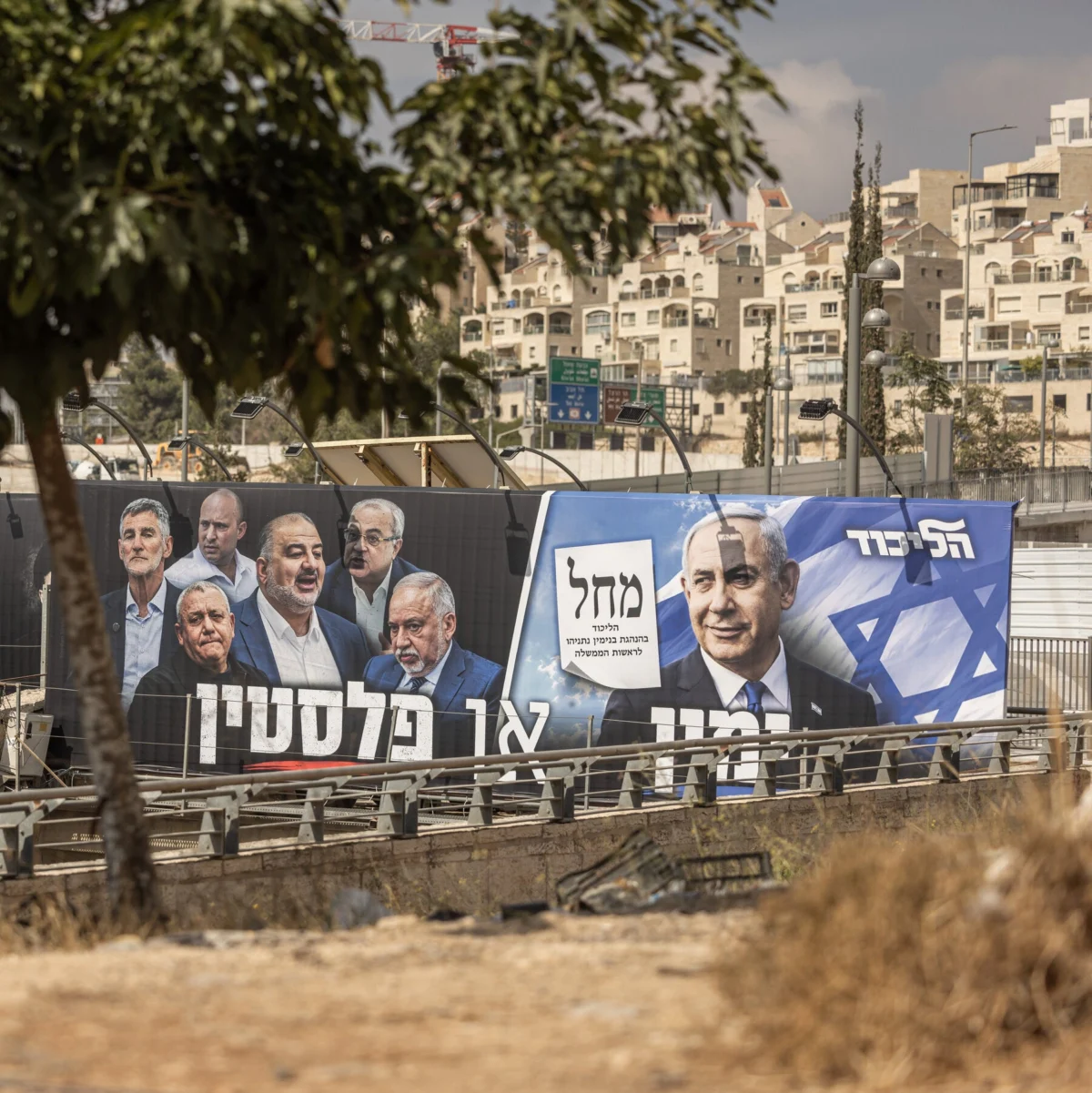
Israel voters face a choice between two competing visions of national identity in an election that could determine the country’s trajectory for years to come. Hard-right nationalism is vying against the nation’s founding ideals, setting up a pivotal contest over Israel’s future direction.
The vote comes at a moment when questions of national character and governance approach the center of political debate. How Israel defines itself internally and projects itself externally has long been shaped by tension between security-focused populism and liberal democratic norms rooted in the state’s early leadership.
KEY FACTS
• Israel holds an election focused on competing visions of national identity.
• Hard-right nationalism competes with the country’s founding ideals.
• The outcome may shape Israel’s identity for years ahead.
• The vote reflects deep divisions over the nation’s future direction.
WHAT IS AT STAKE FOR ISRAEL’S IDENTITY
The election centers on a fundamental debate over what kind of country Israel should be. One vision emphasizes a security-first, ethnonational conception of statehood, while the other upholds the secular, democratic principles embedded in Israel’s Declaration of Independence. This divide has recurred throughout Israeli history, resurfacing whenever questions of law, borders, and civic participation come under strain.
For decades, Israeli politics has swung between parties favoring pragmatic compromise and those advocating maximalist positions on security and territory. The current moment appears to amplify that pattern, as domestic and regional pressures converge with generational shifts in public opinion. Voters are weighing not just policy platforms but deeper questions about representation and belonging.
HOW DID WE GET HERE
The roots of this identity contest trace back to Israel’s founding in 1948, when competing definitions of Jewish statehood were already in tension. Over time, waves of immigration, wars, and peace processes have reshaped the demographic and ideological landscape. Each major event—from the 1967 conflict to the Oslo Accords to recent judicial reforms—has reignited debates over the balance between Jewish character and democratic character.
Today’s campaign reflects accumulated grievances around judicial oversight, settlement policy, and the role of religion in public life. Parties on both sides frame their messages through historical narratives, each claiming fidelity to Israel’s essential values. The stakes feel particularly high because institutional changes, once made, tend to persist well beyond a single electoral cycle.
WHAT WE KNOW — AND WHAT WE DON’T
Verified by the source:
• The election features a contest between hard-right nationalism and founding ideals.
• The result could influence Israel’s national identity for years.
• The outcome remains uncertain at the time of reporting.
Still unconfirmed:
• No specific candidates, parties, or vote counts are named.
• No polling data or timeline for results is provided.
• No official statements or reactions are quoted or attributed.
WHY IT MATTERS
Israel’s identity election resonates beyond its borders because the country’s alliances, regional relationships, and domestic stability influence broader Middle East dynamics. How Israel balances its democratic institutions against nationalist pressures affects diplomatic engagement, economic partnerships, and security cooperation. Internationally, observers watch closely because shifts in Israeli governance often signal changes in policy tone and priority.
For Palestinians, diaspora communities, and foreign governments alike, the resolution of this internal debate carries practical implications. Whether Israel leans toward negotiated pluralism or assertive unilateralism will shape everything from trade agreements to conflict prevention efforts. The choices made by voters today ripple outward into the region and beyond.
WHAT TO WATCH
The vote is expected to clarify which vision of Israel prevails, though final results may take time to consolidate. Analysts will watch closely for signs of how the winning coalition addresses questions of judicial reform, civil liberties, and international engagement.
Israel’s identity election highlights [war-geopolitics](https://www.sourcerated.com/category/war-geopolitics) tensions shaping [politics](https://www.sourcerated.com/category/politics) across the region.