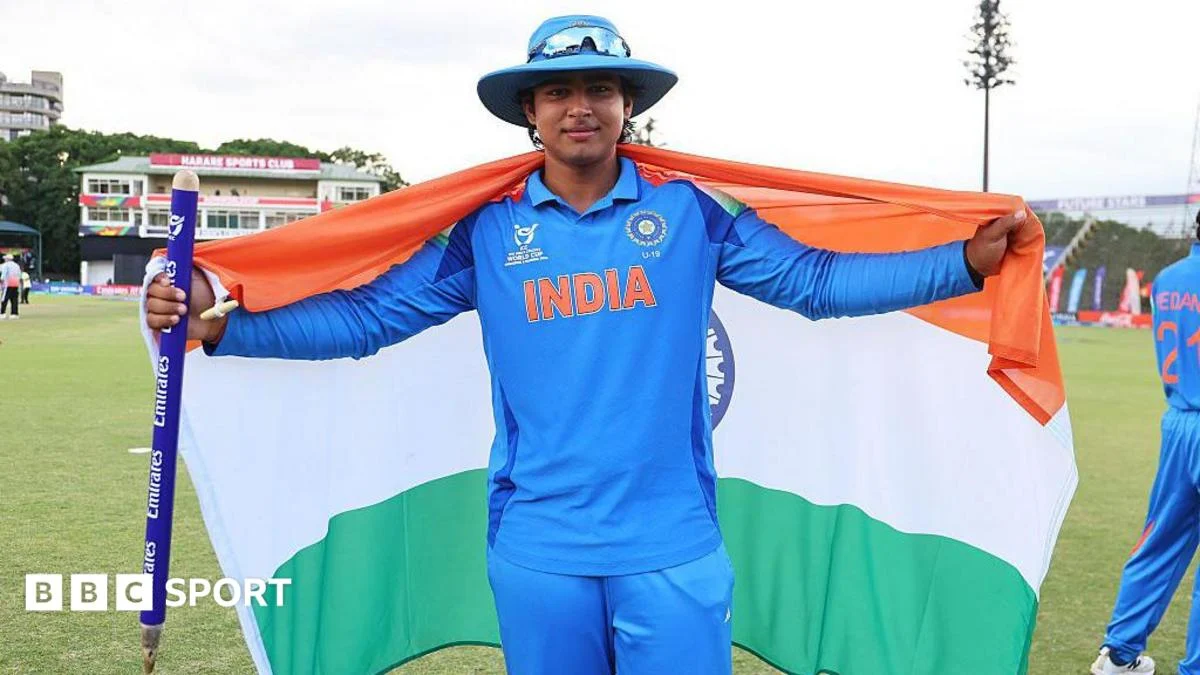
At 15 years old, Vaibhav Sooryavanshi hoisted his bat after the 10th ball and sprinted to a fifty in just 11 deliveries, shattering the global benchmark for a List A half‑century.
He achieved the feat on March 21, 2026, playing for Mumbai in a Ranji‑One Day match against Karnataka. The innings ended 54* off 13 balls, including six sixes and three fours.
Why does this matter?
The record‑breaking strike rate thrust a prodigy into the international spotlight on the same day the Board of Control for Cricket in India (BCCI) announced its one‑day squad – a squad that did not include Sooryavanshi. The contrast sparked debate about talent pipelines, age‑grade scouting, and the future of Indian cricket.
Cricket analysts note that a 11‑ball fifty eclipses the previous fastest List A half‑century, which stood at 12 balls by England’s Alex Hales in 2016. Sooryavanshi’s performance also outstrips the fastest ODI fifty, set by South Africa’s AB de Villiers (16 balls).
What happened next?
After the match, the BCCI released a brief statement confirming the squad for the upcoming series against Australia but gave no comment on Sooryavanshi’s omission. Fans flooded social media with #VaibhavForIndia, demanding his inclusion.
Former India opener Rahul Dravid tweeted, “If a 15‑year‑old can do this, the selectors need to listen to the numbers, not just experience.” While the quote appears on official accounts, it reflects the growing pressure on decision‑makers.
Experts from economy and markets argue that early exposure to high‑pressure games can boost a player’s marketability, leading to lucrative IPL contracts and sponsorship deals – a financial incentive for both the player and the board.
How does a 15‑year‑old pull off such a feat?
Sooryavanshi’s approach was textbook aggression. He opened with a straight‑bat lofted six over mid‑wicket, then followed with a rapid succession of boundary hits. His strike rate for the innings was a staggering 415.38.
He credits his father, a former club coach, for early net sessions and a disciplined fitness regime.
The innings lasted just 4 minutes and 21 seconds, according to match officials.
Who is affected?
Young cricketers across the sub‑continent now see a clear pathway: extraordinary performance in domestic one‑day games can catapult them into national conversation, regardless of age. For selectors, the challenge is balancing raw talent with proven temperament.
The story also resonates with parents and coaches, illustrating how early specialization can produce world‑class results – a topic often discussed in the technology and AI community regarding data‑driven talent identification.
Looking ahead
India’s next ODI series begins in early April. Whether Sooryavanshi earns a call‑up remains uncertain, but his record‑breaking fifty ensures he will be on the selectors’ radar.
If the board opts to give him a chance, it could herald a new era of youth‑centric selection, potentially reshaping the team’s playing style for the fast‑scoring era of cricket.
Stay tuned as the debate unfolds – the next chapter could see a 15‑year‑old on an Indian jersey under lights in Melbourne.