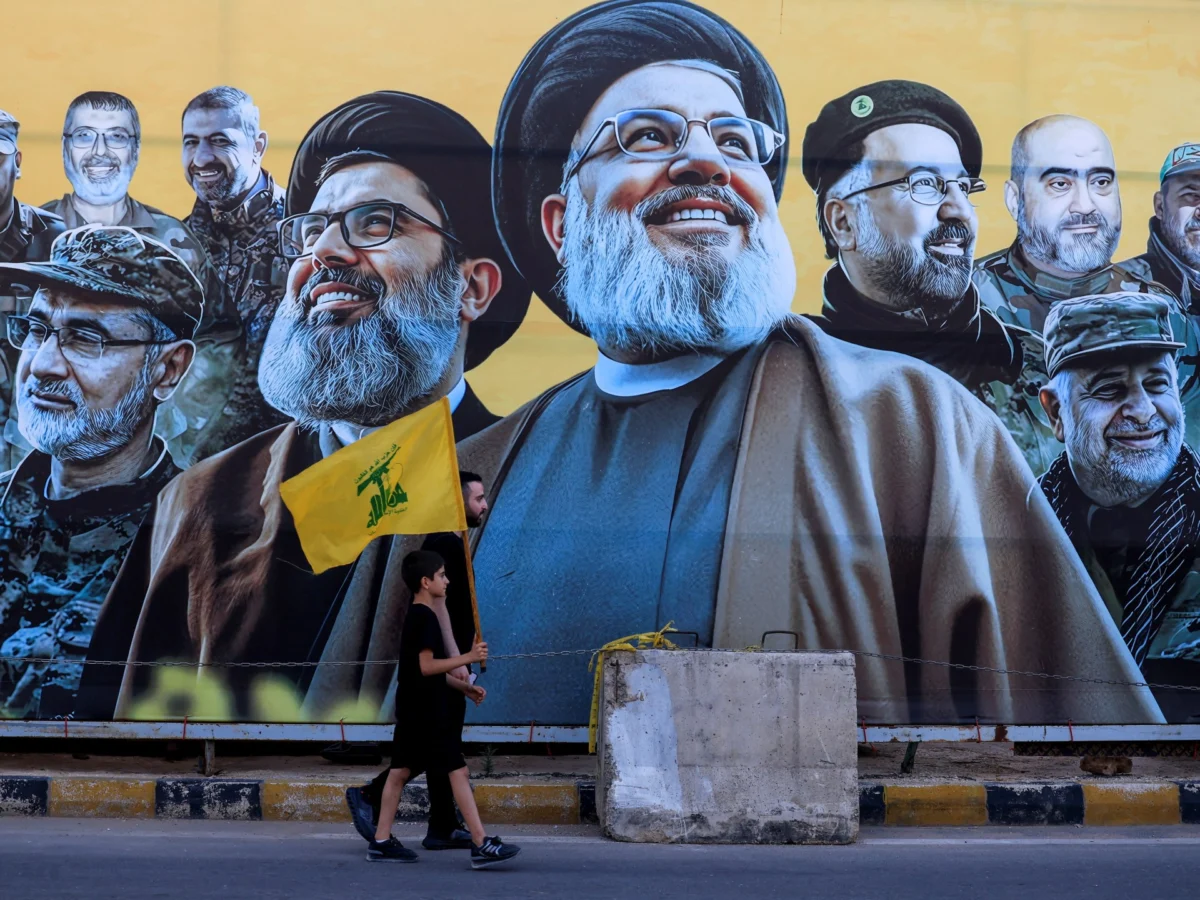
Lebanon’s southern border has become a flashpoint, with Israeli artillery shells landing within a kilometre of the town of Marjayoun on June 20, just days after Tehran and Washington announced a tentative nuclear framework.
This vivid clash is the direct answer to why the Lebanon Iran deal matters: escalating fighting on Lebanese soil could rip apart the nascent Iran‑US accord.
On June 21, Al Jazeera reported that Israeli airstrikes killed three Hezbollah operatives and injured a further dozen civilians in the Rashaya district. Hezbollah, in turn, fired a barrage of rockets toward the Israeli‑occupied Golan Heights, prompting a rapid Israeli retaliation.
How the Lebanese Frontline Threatens the Iran‑US Accord
The Iran‑US deal, signed in principle on June 15, hinges on mutual de‑escalation in the region. Washington’s senior diplomat, who briefed reporters in Geneva, warned that any “significant military escalation” in Lebanon would force the United States to reconsider its concessions on sanctions relief.
Hezbollah’s leader, Hassan Nasrallah, has not publicly commented, but his close allies in Tehran have signaled that the group will not allow Israel to “force a militaristic solution” without “respecting Lebanese sovereignty.”
Why does this matter?
For ordinary citizens worldwide, the stakes ripple far beyond the Middle East. A collapse of the Iran‑US deal could reignite sanctions that cripple the global oil market, pushing gasoline prices up by up to 15 % according to economy and markets analysts. It could also trigger a wider regional war, threatening shipping routes through the Strait of Hormuz, which carries roughly 20 % of the world’s petroleum.
By June 22, U.N. monitors counted 27 civilian casualties in Lebanon since the latest flare‑up, and more than 1,200 people are displaced, according to the Lebanese Red Cross. These human costs add urgency to diplomatic talks in Geneva.
What Happens Next?
Iran’s deputy foreign minister, Ali Bagheri Kani, told an Iranian news agency that Tehran remains “committed to the framework” but will “respond proportionally” if Israel expands the campaign in Lebanese territory.
The United States has dispatched a senior envoy to Beirut for “back‑channel talks,” and Israeli officials say they are “ready to increase pressure” if Hezbollah continues rocket fire.
Analysts at the Carnegie Middle East Center warn that a misstep could push both sides into a broader proxy war, undoing years of diplomatic work and threatening the fragile balance that keeps the global economy from spiralling.
One senior analyst, who asked to remain anonymous, summed it up: “Lebanon is the pressure valve. If it blows, the Iran‑US deal may never survive the heat.”
As the world watches, the next 48 hours will likely decide whether the Lebanon Iran deal becomes a stepping stone to lasting peace or a casualty of regional fury.
Stay tuned as diplomatic cables and on‑the‑ground reports continue to unfold.