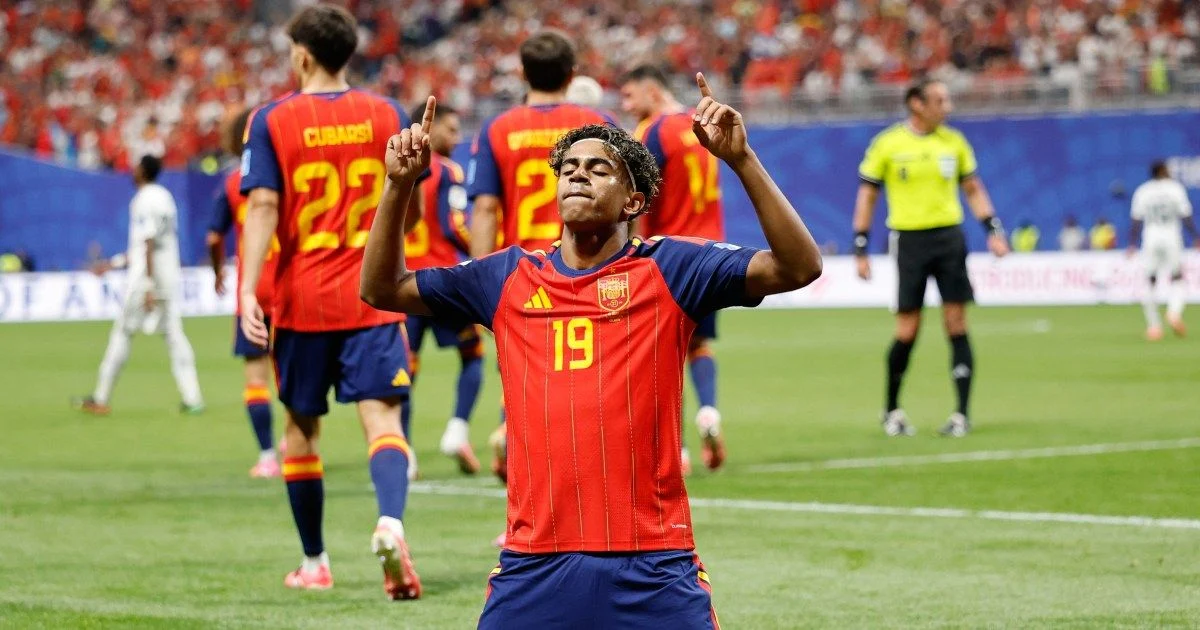
Spain holds a 1-0 lead over Saudi Arabia with 12 minutes left in the first half of their World Cup 2026 Group H opener. The live‑blog from Al Jazeera notes the score, the tempo, and the undercurrent of diplomatic tension that makes this match more than a football test.
The ball snapped to Spanish midfielder Pedri at the 23‑minute mark, threading a pass to Álvaro Morata, whose low drive past Saudi goalkeeper Mohammed Al‑Owais found the net. The stadium erupted, but the roar was tinged with the sight of a Saudi delegation waving a banner that read “Vision 2030 – Sports for Nation‑Building.”
In the next 15 minutes Saudi striker Salem Al‑Dawsari pressed hard, forcing a rare Spanish clearance that landed at the feet of Saudi captain Salman Al-Faraj. He struck a curling effort that rattled the post, a reminder that the Saudis are not merely there for exposure.
Why does this matter?
Beyond the 32‑team tournament, the match spotlights the clash of two very different soft‑power strategies. Spain, a European football powerhouse, leverages its club‑school pipeline—Barcelona’s La Masia and Real Madrid’s academy—to export talent and culture. Saudi Arabia, meanwhile, invests billions into sports infrastructure, using the World Cup as a showcase for its “new image” after years of criticism over human‑rights records.
Al Jazeera’s live commentary points out that Saudi officials have scheduled a meeting with the Spanish Football Federation later this week, hinting at future cooperation on youth development programmes. For fans, the result could affect Group H qualification; for policymakers, it may shape future trade talks and cultural exchanges.
What happens next?
Spain’s coach Luis de la Fuente will likely rotate his front line, preserving key players for the knockout stage while still aiming to finish the group unbeaten. Saudi coach Hervé Renard, who guided Morocco to the 2022 quarter‑finals, will probably deploy a more compact defense in the second half, hoping to exploit any Spanish over‑commitment.
The match also feeds into a broader narrative: the growing intertwining of sport and geopolitics. In the past decade, nations have used high‑profile tournaments to signal economic ambition, soften diplomatic frictions, or deflect criticism. As the live‑blog notes, “Every celebration, every protest, every handshake becomes a data point for analysts watching the world’s power balance shift.”
For the average viewer, the stakes translate into more hype, more merchandise, and more betting odds that ripple through economy and markets. A Spanish win could boost tourism to Spanish clubs, while a Saudi upset might accelerate sponsors’ interest in the Kingdom’s emerging league.
Stay tuned as the second half unfolds. Will Spain extend its lead, or will Saudi Arabia turn the tide and rewrite the script of Group H? The answer will shape not only the tournament bracket but also the next chapter of sports‑driven diplomacy.