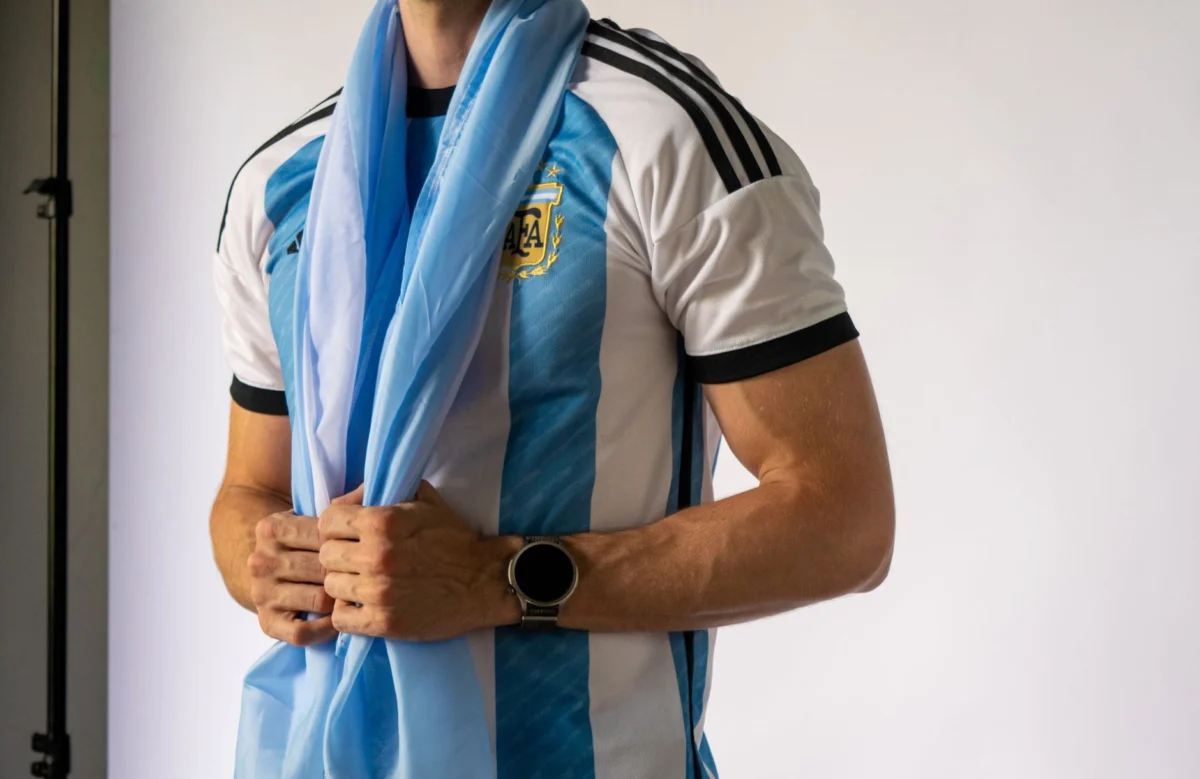
At 18:23 local time, the stadium lights flickered as Lionel Messi stepped onto the pitch, his number 10 jersey glowing against the night sky.
Argentina, the defending champions, now meet Austria in World Cup Day 12. The encounter is more than a group‑stage fixture; it is a litmus test for Messi’s aging squad and a flashpoint for Argentine fans worldwide.
What the numbers say
Argentina arrives with a goal‑difference of +4, having scored nine and conceded only one. Austria sits at +1, three goals for and two against. Messi, now 39, has already netted two goals in the tournament, both from the penalty spot.
Austria’s star forward, Marko Arnautović, has one goal and two assists. The midfield battle will likely center on Argentina’s Rodrigo De Polo versus Austria’s Xaver Schlager.
Why does this matter?
Beyond bragging rights, the match determines whether Argentina can retain a top‑seed for the knockout round. A loss would drop them to second place, forcing a tougher opponent in the round of 16.
For fans, the stakes are personal. Argentine households across the globe gather around modest televisions, betting on Messi’s magic to keep hopes alive. In Vienna, Austrian supporters hope an upset could spark a tourism surge in the post‑Euro crisis era.
From a geopolitics lens, the game underscores soft power. Argentina’s football success bolsters its cultural export, while Austria leverages the event to showcase stability after recent regional tensions.
Key players to watch
Lionel Messi – Will his free‑kick mastery turn the tide?
Emiliano Martínez – The Argentine goalkeeper’s record of eight clean sheets could be decisive.
Marko Arnautović – The Austrian striker’s speed may test Argentina’s backline.
What happens next?
If Argentina wins, they enter the knockout stage as group leaders, likely facing a lower‑ranked side from Group C. An Austrian victory would send both teams into a high‑risk scenario, with goal difference becoming the tiebreaker.
Stay tuned as the match unfolds; the final whistle could rewrite the narrative of this World Cup and reshape the political symbolism attached to football’s global stage.
For deeper analysis on how sports intersect with global affairs, explore our war‑geopolitics coverage.