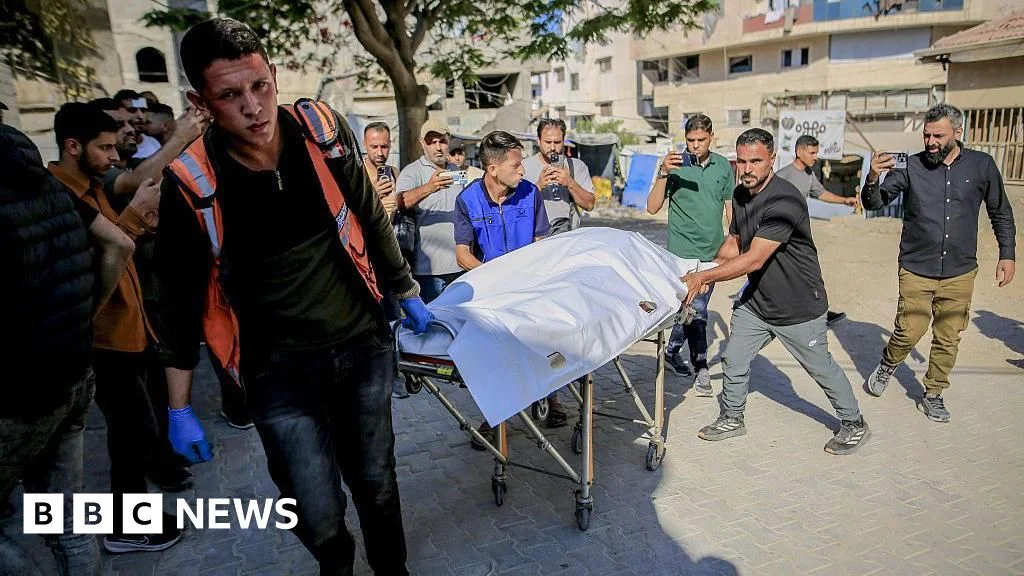
A bomb blast inside Gaza City’s Shuja’iyya district ripped through a residential block at 14:23 local time, killing six people, BBC reports. Among the dead was Ahmed Wishah, a 39‑year‑old Al Jazeera cameraman who was filming nearby when the explosion hit.
Israeli officials immediately labeled Wishah a “Hamas sniper operative” but offered no evidence, a claim that has drawn sharp criticism from press freedom advocates.
What happened on the ground?
The Israeli Defence Forces (IDF) said they were responding to fire from Hamas positions in the neighbourhood when they launched the strike. The IDF’s statement cited “real‑time intelligence” but did not release the footage or forensic analysis that would substantiate the accusation against Wishah.
Local witnesses described hearing a series of loud detonations, followed by a thick plume of smoke. One resident, who asked not to be named for safety, said, “We saw the camera crew moving down the street, then the building collapsed. It was chaos.”
Why does this matter?
The death of a recognised journalist in an active‑conflict zone raises alarms about the safety of media workers and the transparency of military targeting. If the IDF’s claim about Wishah’s alleged combat role proves unfounded, it could set a precedent that weakens protections under international humanitarian law.
For readers, the story connects to broader concerns about how wars are reported and whose narratives dominate the headlines. When the line between combatant and civilian blurs, misinformation spreads faster than the shellfire.
International reaction
Al Jazeera condemned the strike, calling it “a chilling message to journalists covering the conflict.” Human Rights Watch called for an independent investigation into the circumstances of Wishah’s death.
Meanwhile, the United Nations Office for the Coordination of Humanitarian Affairs (OCHA) updated its casualty figures, adding six more civilian deaths to the week‑long tally.
What happens next?
Human rights groups say they will petition the International Criminal Court to examine whether the strike breached the principle of distinction. The IDF has not indicated whether it will release any additional details.
As the Gaza conflict drags on, each new casualty reshapes the diplomatic calculus for regional actors and for countries watching from abroad. The next report from the battlefield could shift public opinion, influence aid flows, or even spark protests in capital cities worldwide.
Stay tuned as more evidence emerges and as journalists on the ground fight to document what remains a deeply contested war.