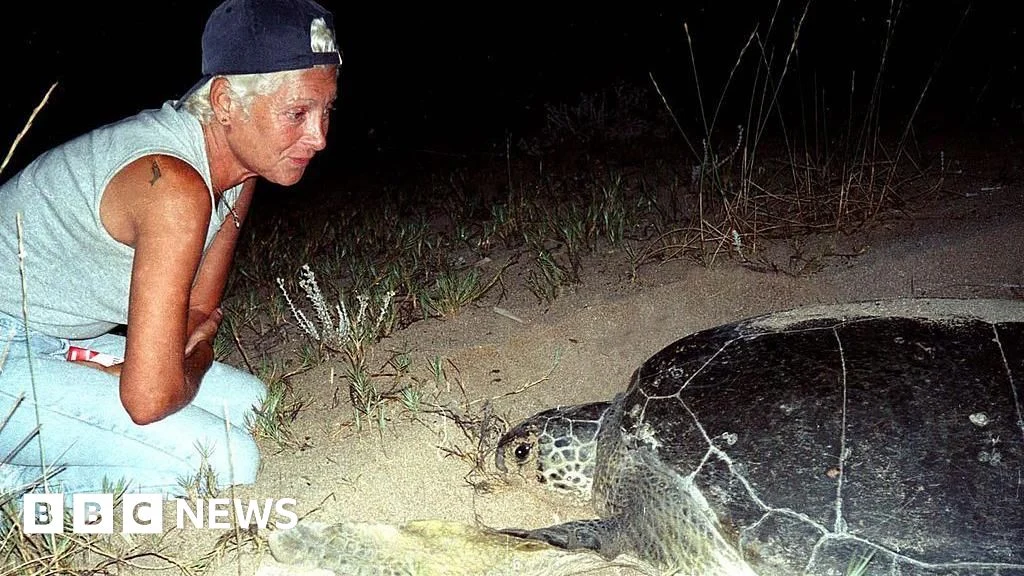
Mona Khalil lay among the sand of Tyre’s ancient shoreline, a broken fishing net tangled around her wrist, as the sound of distant explosions faded into a haunting silence.
The 57‑year‑old Lebanese turtle conservationist died on March 22, 2026, from injuries sustained when an Israeli strike hit the coastal area where she lived and worked.
She had spent the last two decades shepherding endangered loggerhead turtles, monitoring nests and warning fishermen of the hatchlings’ fragile migration routes.
Why does this matter?
Her death is more than a personal tragedy; it underscores the expanding reach of the Israel‑Gaza war into civilian zones of neighboring countries. Lebanon, already burdened by political instability and economic crisis, now faces the prospect of unintended spill‑over casualties.
Human‑rights groups point to the incident as evidence that strikes are increasingly indiscriminate, threatening not only combatants but also people like Khalil who are “non‑combatants by definition.”
What happened on the beach?
According to BBC News, the strike hit a residential area near the historic site of the Tyre corniche, where Khalil’s modest home stood. She was found unconscious, clutching a notebook full of hatchling counts, and was rushed to a hospital in Sidon. Doctors later confirmed she succumbed to internal injuries.
No militant activity was reported in the immediate vicinity at the time of the attack, and neither the Israeli Defence Forces nor Lebanese authorities released details about the target.
International observers, including the United Nations, have called for an independent investigation, warning that the lack of transparent accountability could fuel further regional tension.
Impact on conservation and local livelihoods
Khalil’s work saved an estimated 3,000 turtle hatchlings each season. Her community relied on eco‑tourism linked to the nesting sites, generating roughly $150,000 annually for local vendors.
With her gone, the fragile ecosystem she tended is at risk, and the economic lifeline for the coastal towns could evaporate.
Environmental NGOs are urging the Lebanese government to appoint a successor and reinforce protection measures for nesting beaches, even as security concerns loom.
What happens next?
The incident is likely to intensify calls for a ceasefire extension that includes strict no‑strike zones along Lebanon’s coast.
Humanitarian agencies are preparing to document potential war crimes, while regional diplomats scramble to prevent the conflict from widening.
For readers, Khalil’s story is a stark reminder that wars distant on the map can strike at the very front steps of ordinary lives, disrupting ecosystems and economies we all share.
Her notebook, now a symbol of loss, will travel to the International Criminal Court as part of the evidence pool.
Stay tuned as investigations unfold and the international community debates how to safeguard civilians like Mona Khalil in an increasingly volatile Middle East.
Related: war and geopolitics | climate and environment