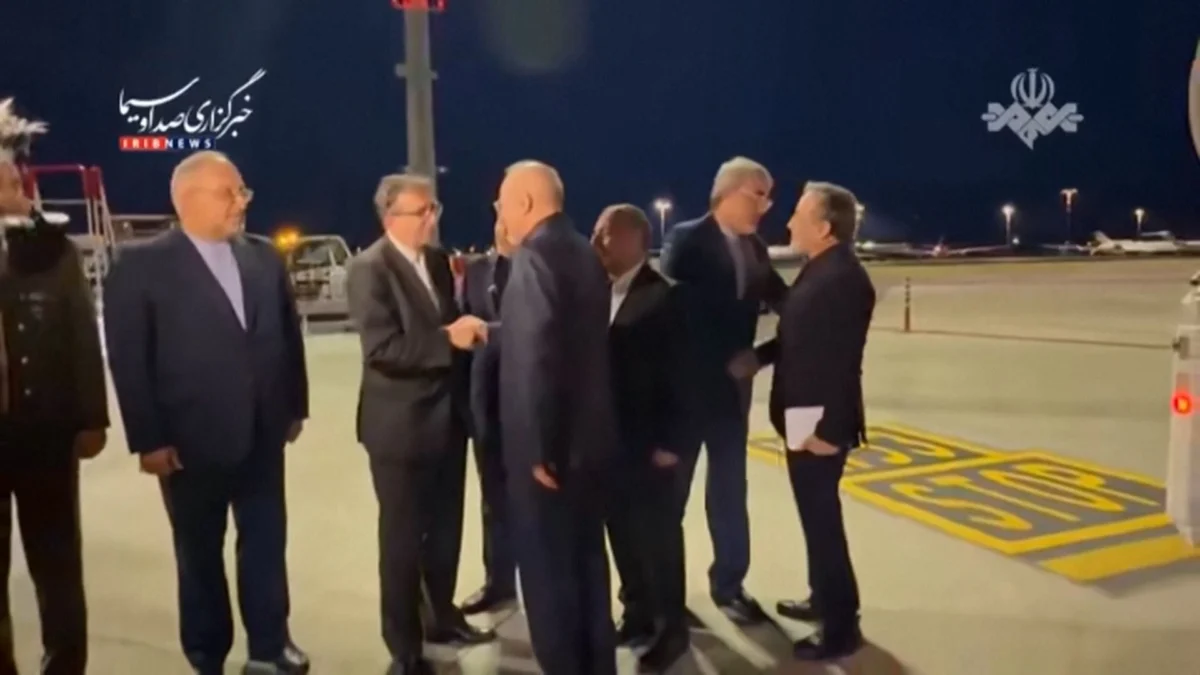
At 07:45 GMT, a sleek black Gulfstream plane touched down at Geneva’s Cointrin Airport, its tail fin emblazoned with Iran’s emblem—a quiet signal that the high‑stakes diplomatic dance is about to begin.
Within minutes, three senior Iranian officials—including Deputy Foreign Minister Mohammad Javad Zarif’s deputy, Ali Bagheri—were escorted to a secured hotel where they will meet U.S. envoys under the auspices of the Swiss Confederation.
Switzerland, long the neutral ground for back‑channel talks, will host the first round of negotiations aimed at reviving the stalled 2023 nuclear framework. The United States has sent a senior team led by Deputy Secretary of State Victoria Nuland, according to a statement released by the Swiss Federal Department of Foreign Affairs.
Why does this matter?
America’s 2024 sanctions on Iran’s oil sector have throttled Tehran’s economy, while Tehran’s recent missile tests have kept regional allies on edge. A breakthrough could lower energy prices worldwide, easing the inflationary squeeze on households from Detroit to Delhi.
“If we can reach a limited‑time agreement on nuclear monitoring, it will create breathing room for both sides,” the Swiss statement read, underscoring the country’s role as a facilitator rather than a participant.
What are the key stumbling blocks?
Two core issues dominate the agenda: Iran’s demand for sanction relief on its aviation and petrochemical sectors, and the U.S. insistence on a verifiable limit to uranium enrichment.
In Tehran, hard‑liners warn that any concession could be seen as capitulation to American pressure. In Washington, Congress remains divided, with some members demanding a tougher line after recent Iranian drone attacks on Gulf shipping.
Both sides have set a 48‑hour deadline to produce a “framework document” that will outline the next phases of talks. If they miss that window, the diplomatic momentum could evaporate, returning the region to a more volatile status quo.
Who is affected?
Beyond the geopolitical elites, ordinary citizens stand to feel the ripple effects. Energy markets have already responded; Brent crude slipped 0.6% after the news broke, signaling investor optimism that a deal could ease supply concerns.
European manufacturers, already grappling with soaring input costs, could see a modest price dip if sanctions ease. Meanwhile, Iranian students abroad fear that prolonged tension could jeopardize scholarship programs funded by European NGOs.
For the average reader, the stakes are personal: lower gas prices at the pump, steadier food costs, and a reduced risk of a broader Middle‑East conflict spilling into European streets.
What happens next?
The next 72 hours will be a marathon of side‑door talks, technical assessments, and media statements. If the “framework document” materializes, a second, more detailed round will likely convene in Vienna in September, with the International Atomic Energy Agency overseeing verification.
Should talks collapse, analysts warn of a possible escalation in proxy conflicts across Iraq and Syria, and a renewed push by the United States to impose secondary sanctions on third‑party companies dealing with Iran.
All eyes now turn to the conference rooms of Geneva, where a handful of diplomats will decide whether a fragile truce can be turned into a lasting peace pathway.