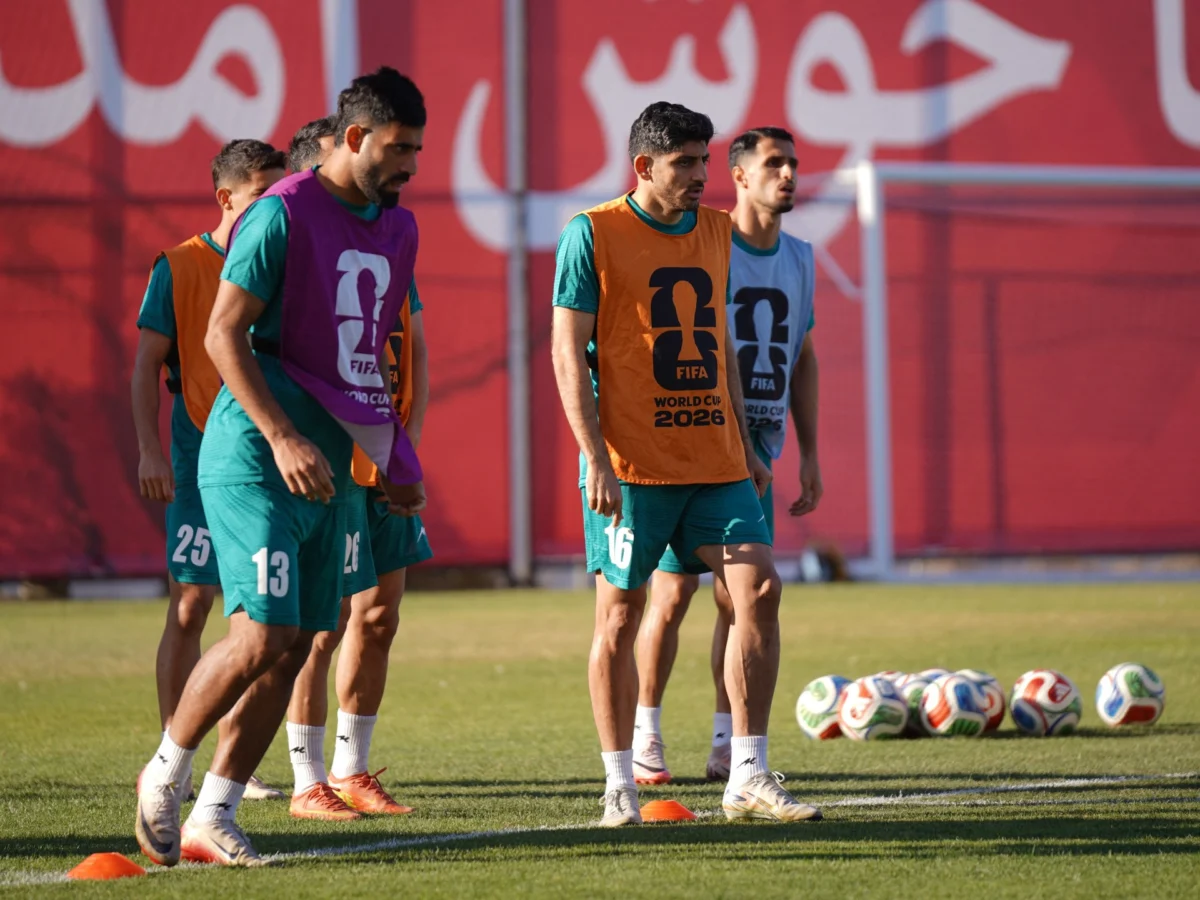
Iranian midfielder Alireza Jahanbazi stared at the clock on the tarmac in Dallas, his team’s luggage already labeled for a return flight to Tehran. The United States will not allow the roster to linger beyond the scheduled group match against Belgium on June 26.
This restriction, confirmed by former New York City mayor’s son Andrew Giuliani, means the players must depart the country within 24 hours of the final whistle, regardless of injury or performance.
What the policy actually says
The US State Department’s visa‑entry protocol for Iranian athletes, issued in early June, caps the stay at 48 hours post‑match. The rule applies to the entire Iranian squad, coaching staff and support personnel.
Giuliani, speaking at a press briefing in Washington, said, “Iran’s players will not be allowed to stay longer for their group matches in the US.” No exemption has been granted for the upcoming Belgium game.
Why does this matter?
Beyond the inconvenience, the policy raises questions about fairness in a tournament that promises billions in revenue and global viewership. If a key player sustains an injury, the team cannot replace him for the next match, potentially altering the competitive balance.
Fans in Dallas and Kansas City, where the match will be played, may also lose the chance to engage with Iranian culture – a soft‑power diplomatic opportunity that the US is effectively shutting down.
International reaction and possible fallout
Iran’s Football Federation lodged a diplomatic note with Washington, calling the restriction “discriminatory” and urging a review before the next round. The European Union, through its sports liaison office, issued a statement urging “equal treatment for all participants in FIFA events.”
FIFA’s internal review panel, led by former referee Pierluigi Collina, is set to meet on July 3 to assess whether the US policy violates the organization’s non‑discrimination charter.
For American sports‑betting firms and broadcasters, a controversial match could spike viewership numbers, but it also risks alienating sponsors who champion inclusivity.
What happens next?
If the US maintains its stance, Iran will have to field a depleted squad for any subsequent games, unless a waiver is granted in an emergency. The situation could set a precedent for future tournaments hosted by nations with strained diplomatic ties.
Stakeholders—from fans to sponsors—should watch how the US‑Iran saga unfolds, as it may reshape the rules governing athlete mobility at global events.
Stay tuned as the deadline approaches; the next development could come from a quiet memo in Washington or a surprise appeal to FIFA’s ethics committee.
war and geopolitics intersect with sport in ways that affect ticket prices, travel plans, and even your favorite team’s chances of advancing.