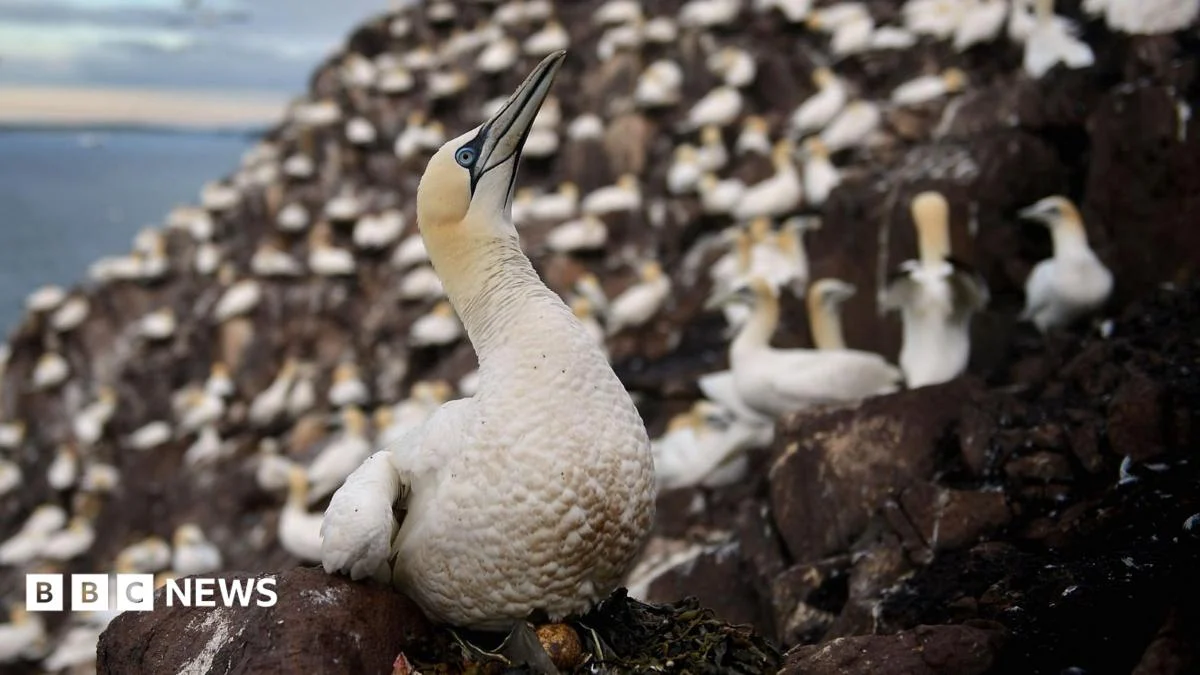
Residents of a Scottish island have been refused permission to carry out their annual hunt of seabird chicks on the uninhabited Hebridean island of Sula Sgeir. Each year, hundreds of gannet chicks are killed for their meat as part of this long-standing tradition.
The hunt, which has been a cultural practice for generations, involves harvesting the chicks of northern gannets, known locally as ‘gugas.’ The meat is considered a delicacy by some in the local community, but the practice has faced increasing scrutiny from conservationists.
KEY FACTS
- Scottish islanders have been refused permission to conduct their annual seabird chicks hunt.
- Hundreds of gannet chicks are traditionally killed for their meat on Sula Sgeir.
- Sula Sgeir is an uninhabited island in the Hebrides.
Why was the hunt refused?
The source does not specify the exact reasons for the refusal, but similar hunts have previously drawn criticism from wildlife protection groups concerned about the impact on seabird populations. Northern gannets are protected under various conservation laws, which may have influenced the decision.
What is the cultural significance?
The gannet hunt is a centuries-old tradition for some Scottish island communities. The practice is deeply rooted in local heritage, with the meat being used for food and sometimes shared within the community. However, modern conservation efforts have increasingly clashed with such traditions.
WHAT WE KNOW — AND WHAT WE DON’T
Verified by the source:
- The annual seabird chicks hunt on Sula Sgeir has been refused permission this year.
- Hundreds of gannet chicks are traditionally killed for their meat during the hunt.
Still unconfirmed:
- The specific reasons for the refusal of permission.
- Whether the hunt will be allowed in future years.
- The exact number of chicks typically harvested each year.
WHY IT MATTERS
This situation highlights the ongoing tension between cultural traditions and wildlife conservation. As global biodiversity declines, practices that impact vulnerable species are increasingly questioned, even when they hold deep cultural significance.
WHAT TO WATCH
It remains unclear whether the islanders will appeal the decision or seek alternative ways to preserve their tradition. Conservation groups may also push for stricter protections for seabird populations in the region.