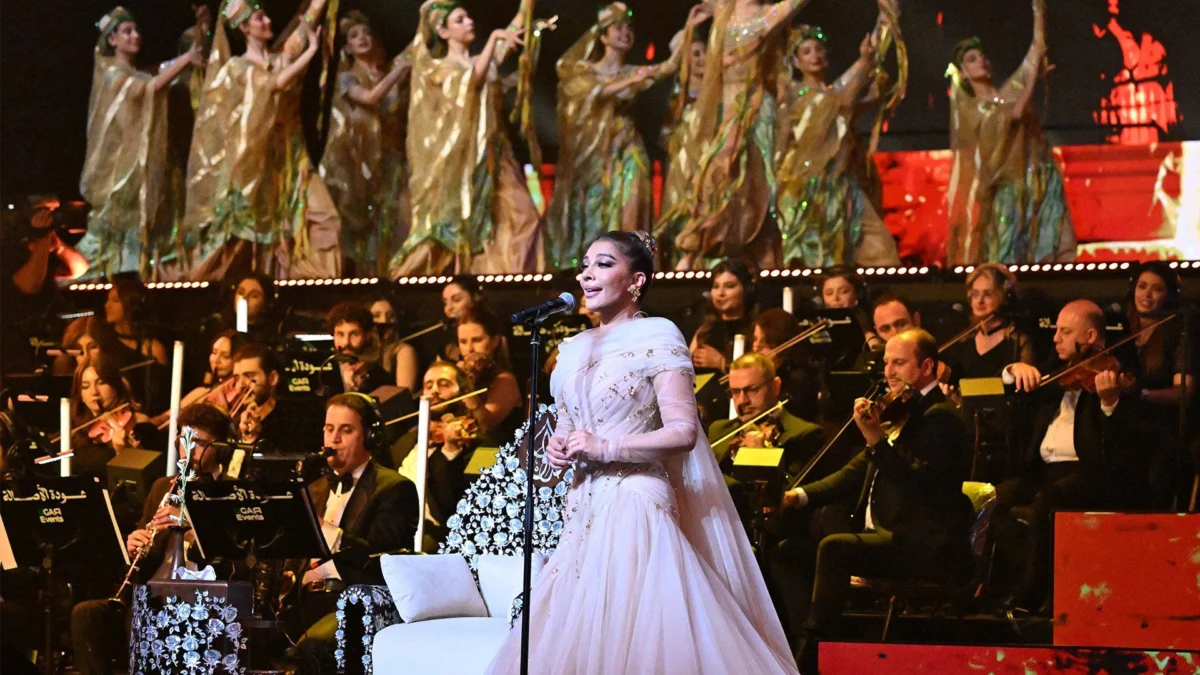
Syrian icon Assala Nasri performed at a sold-out concert in Damascus after a 15-year absence from the city.
The event drew thousands of attendees who welcomed her return, signaling a notable shift in the cultural landscape of the capital.
KEY FACTS:
- Assala Nasri performed in Damascus after 15-year exile.
- The concert was sold-out.
- Thousands of people attended and welcomed her.
- The performance marked her first appearance in the Syrian capital in over a decade.
The Return of a Cultural Icon
Assala Nasri, widely known as the ‘Daughter of Damascus,’ is one of the most recognizable voices in Arab music. Her absence from Syria followed a period of political tension and personal restrictions. After 15 years, her presence at a major venue in the capital signals a possible easing of conditions, at least for public cultural figures.
What Happens Next?
The response to her return may influence whether other exiled artists consider similar trips. While this single concert does not confirm a broader reopening, it has already sparked conversations across regional media. Whether additional performances or events follow remains uncertain, but the atmosphere in Damascus suggests strong public interest.
Why It Matters
Cultural returns like this often carry symbolic weight beyond entertainment. For many Syrians, seeing a beloved artist back in the capital can represent hope for reconnection with pre-war normalcy. At the same time, such events raise questions about movement, expression, and belonging in a changed society.
What We Know — and What We Don’t
Verified by the source:
- Assala Nasri performed in Damascus.
- The concert was sold out.
- Thousands attended and welcomed her.
- She had been absent for 15 years.
Still unconfirmed:
- The specific reason for her earlier exile.
- Whether future performances are planned.
- Official statements from Syrian cultural authorities.
- Exact attendance numbers beyond ‘thousands’.
What To Watch
Observers will watch for similar appearances by other artists and whether this signals a wider cultural reopening in Syria.