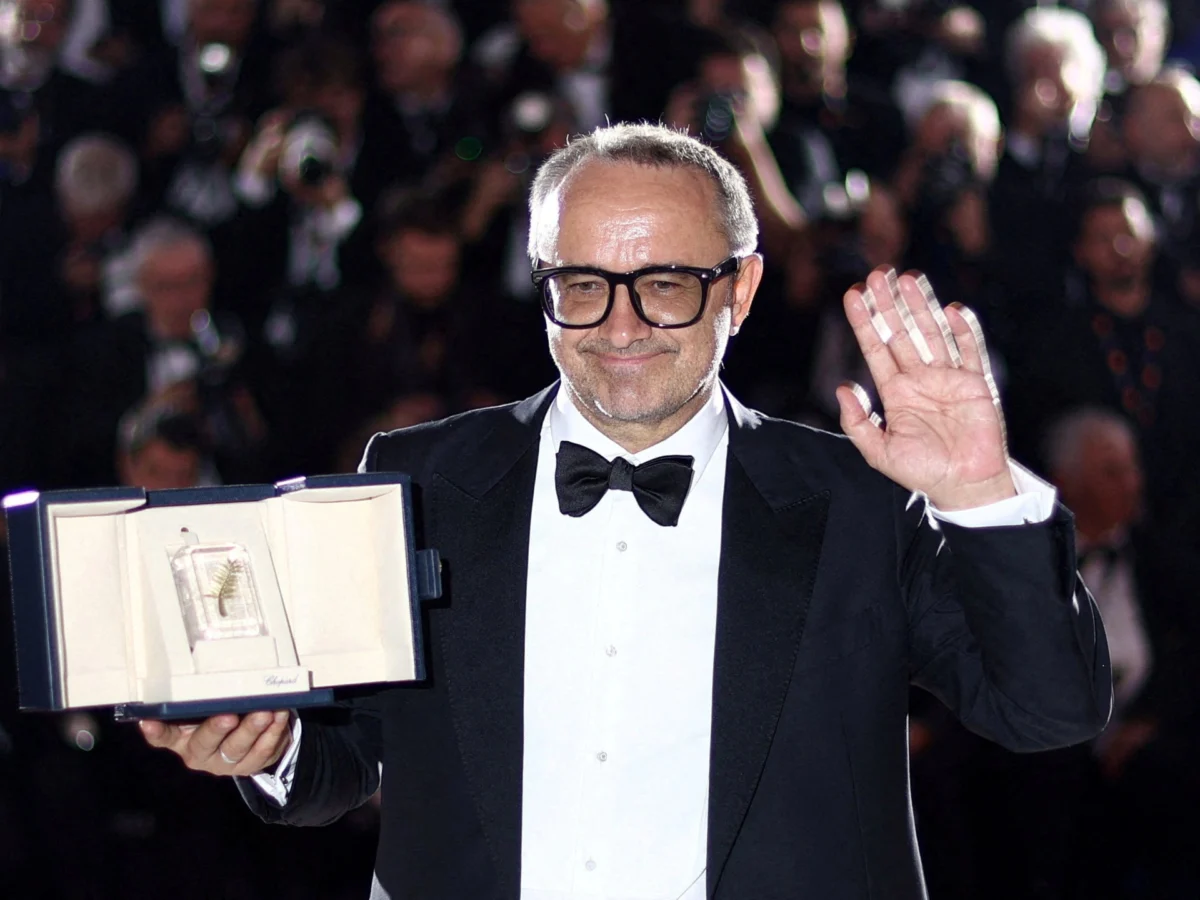
Russia has officially labeled renowned filmmaker Andrey Zvyagintsev as a ‘foreign agent’, according to reporting from Al Jazeera. Zvyagintsev, whose work has drawn international acclaim—including a Grand Prix award at the Cannes Film Festival—is known for voicing criticism of the war in Ukraine.
The designation comes amid a broader crackdown on dissent within Russia, where cultural figures and media outlets have faced increasing scrutiny for public statements opposing government policy. Foreign agent laws, originally designed to target espionage activities, have increasingly been applied to journalists, NGOs, and artists deemed critical of the state.
Key Facts
- Andrey Zvyagintsev is a Cannes-winning director.
- He won the 2026 Grand Prix award at Cannes.
- Russia has labeled him a ‘foreign agent’.
- He has been critical of the war in Ukraine.
The Story
What happens next?
Following designation as a foreign agent, Zvyagintsev will likely face administrative burdens including mandatory registration and financial reporting requirements. His ability to operate within Russia’s cultural and media landscape may be restricted. Internationally, the label could affect distribution of his films and collaborations with global institutions.
This designation aligns with a pattern of Russian authorities applying foreign agent laws to individuals whose public positions challenge state narratives. Cultural figures and artists are often subject to these measures if they express views critical of government policy, particularly regarding the ongoing conflict in Ukraine.
Who is affected?
Beyond Zvyagintsev, the foreign agent label typically impacts individuals’ professional freedoms, access to funding, and public visibility within Russia. For filmmakers and artists, such designations can lead to exclusion from state-funded projects, difficulties in securing distribution deals, and potential travel restrictions.
The measure also signals heightened pressure on Russian creatives who speak out publicly. Organizations and institutions collaborating with designated individuals may face secondary scrutiny or restrictions under related legislation.
How did we get here?
Zvyagintsev’s career has been marked by unflinching portrayals of Russian society, often critiquing socioeconomic conditions and state policies. His stance on the war in Ukraine has drawn particular attention from authorities, culminating in this formal designation by Russian officials.
The use of foreign agent laws against artists reflects an expanding interpretation of national security concerns. Originally aimed at foreign-funded organizations, these laws now extend to individuals whose speech and work are considered threats to state interests.
What We Know — and What We Don’t
Verified by the source:
- Andrey Zvyagintsev is a Cannes-winning director who won the 2026 Grand Prix award.
- Russia has labeled him a ‘foreign agent’.
- He has been critical of the war in Ukraine.
- The information is sourced to Al Jazeera reporting.
Still unconfirmed:
- No specific date or official statement regarding the designation.
- No details on legal proceedings or appeals process.
- No direct quote or comment from Russian authorities or Zvyagintsev himself.
Why It Matters
This designation underscores the increasing control over artistic and intellectual expression in Russia. It highlights the risks faced by creatives who dissent publicly, especially concerning sensitive issues like the Ukraine conflict.
What To Watch
Further actions by Russian authorities, potential responses from international cultural institutions, and any public statement from Zvyagintsev remain to be seen.
Russia’s foreign agent label on filmmaker Andrey Zvyagintsev reflects growing restrictions on artistic dissent.