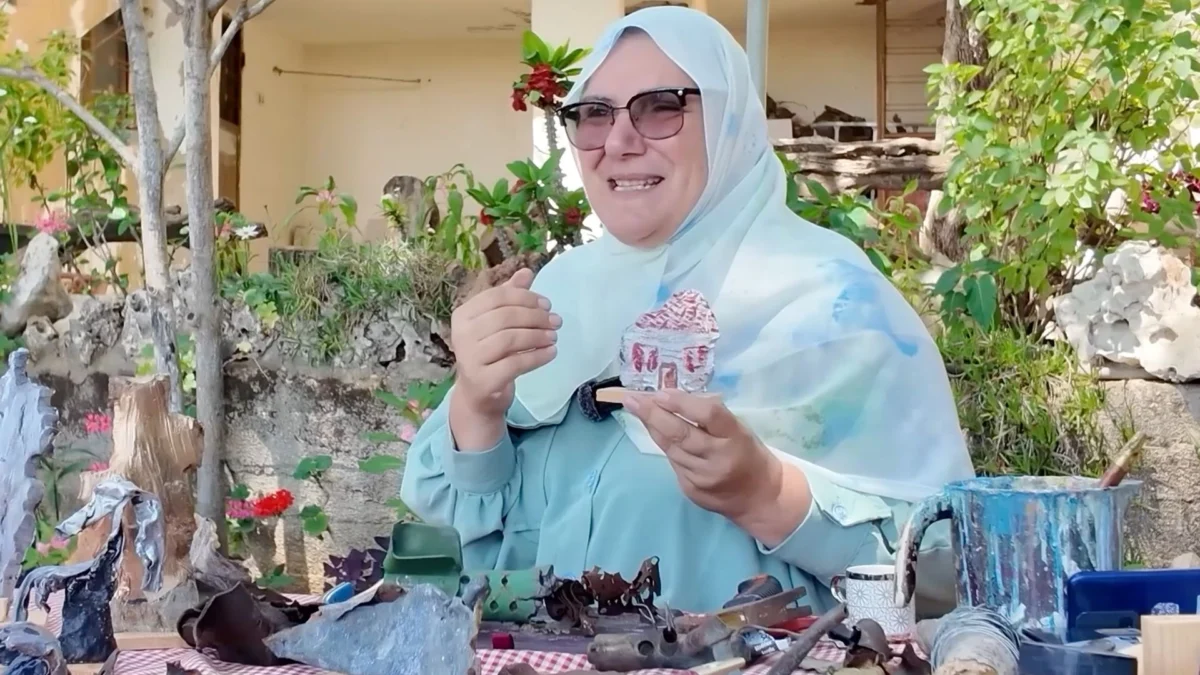
In southern Lebanon, visual artist Lina Jouni recrafts debris from Israeli missile strikes into artworks, presenting a stark intersection of conflict and creativity. Her work draws directly from remnants left behind by military actions, reshaping them into pieces that invite reflection on the region’s ongoing tensions. This transformation of missile debris into art underscores how destruction can be repurposed into dialogue and meaning.
By converting instruments of war into artistic expression, Jouni’s practice highlights the enduring impact of violence while offering a form of resilience through creation. Her medium, literally forged from conflict, makes visible the lingering presence of military action in civilian landscapes across southern Lebanon.
Key Facts
- Artist: Lina Jouni
- Location: Southern Lebanon
- Medium: Debris from Israeli missile strikes
- Practice: Transforming wreckage into artworks
What drives this artistic transformation?
Lina Jouni works in southern Lebanon, a region long affected by cross-border conflicts between Israel and various Lebanese factions. The area frequently bears the physical traces of these confrontations, including unexploded ordnance and shattered infrastructure. Jouni collects metallic fragments and structural remnants believed to originate from Israeli missile strikes, sorting them based on form, texture, and symbolic resonance.
She then welds, shapes, and arranges these pieces into sculptural compositions ranging from abstract geometries to figurative forms. Some works retain visible signatures of their past — scorch marks, embedded shrapnel, or warped surfaces — while others are polished or painted to emphasize aesthetic over origin. Through curation and craft, she invites viewers to reconsider how violence leaves material traces that persist long after detonation.
This process does more than beautify decay; it asks audiences to confront uncomfortable histories embedded within everyday objects. Each sculpture becomes an archive of absence — a stand-in for lives disrupted and landscapes altered by warfare. Viewers are prompted not only to see beauty in salvaged matter but also to grapple with the sociopolitical realities behind each fragment.
How does this fit into broader regional narratives?
Jouni’s studio lies amid communities still navigating the aftermath of repeated conflict cycles along the Lebanon-Israel border. While precise casualty counts or strike frequencies aren’t detailed here, it is widely acknowledged that southern Lebanon has experienced recurring military escalations resulting in infrastructure damage and civilian displacement. Her choice of material reflects lived experiences common among locals who encounter unexploded munitions or destroyed buildings regularly.
Artistic responses to trauma have emerged throughout the Middle East as methods for processing collective grief and asserting cultural identity amid instability. Across cities like Beirut, Gaza City, or Damascus, creators incorporate wartime remnants into installations, murals, or performances as acts of remembrance or resistance. These practices often blur boundaries between witnessing and healing, using tangible remnants to give form to intangible loss.
In choosing missile debris specifically, Jouni aligns herself with traditions of repurposing hostile materials for peaceful ends. Similar approaches appear globally — from jewelers crafting rings from AK-47 parts in post-conflict zones to architects designing parks atop former minefields. Yet unlike mass production or symbolic gestures alone, her individual craftsmanship ties each piece tightly to its local context and personal narrative.
What We Know — and What We Don’t
Verified by the source:
- Lina Jouni is a visual artist based in southern Lebanon
- She creates art using debris from Israeli missile strikes
- The collected materials come from locations impacted by prior strikes
Still unconfirmed:
- Exact dates or frequency of the strikes referenced
- Identity or details of affected individuals or communities
- Official stance from Israeli or Lebanese authorities regarding these incidents
- Public reception or exhibitions featuring Jouni’s completed works
Why It Matters
In regions shaped by protracted conflict, personal acts of creation carry immense weight. When artists like Lina Jouni transform remnants of violence into works of meaning, they offer alternative ways of remembering — ones rooted in imagination rather than mere documentation. Such efforts remind us that history lives not only in monuments or memorials but also in the hands willing to mold memory into something new.
What To Watch
It remains unclear whether future documentation or public exhibitions will accompany Jouni’s growing body of work. As conditions evolve in southern Lebanon, observers may gain further insight into how such missile debris art continues influencing discourse around peace, memory, and reconciliation.