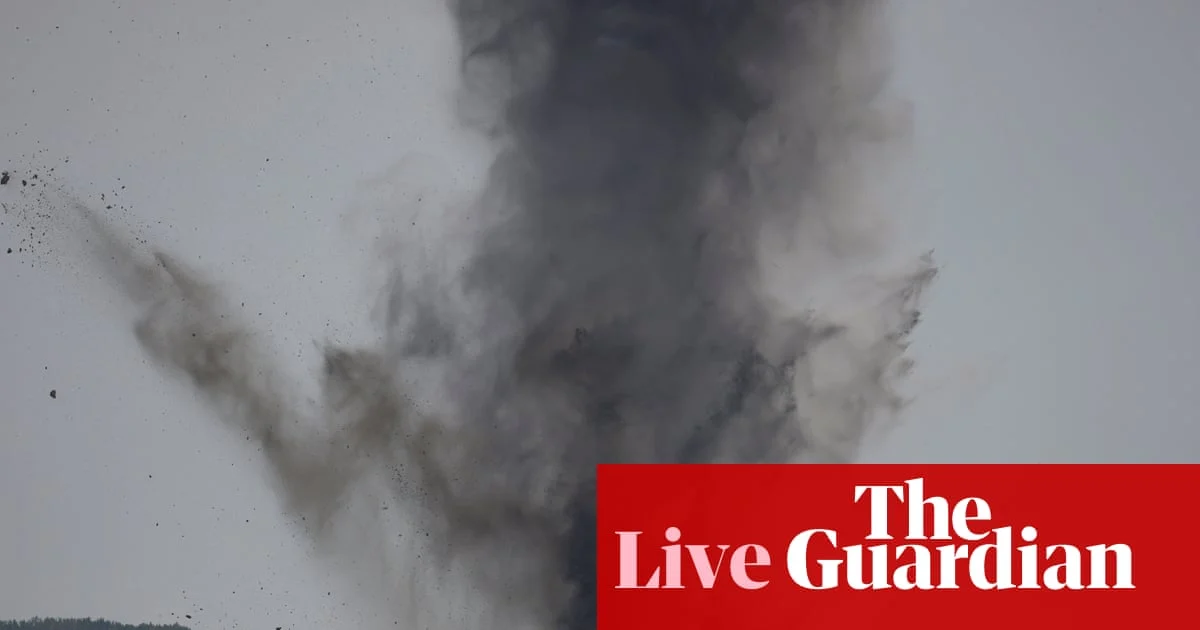
Romania has used explosives to remove a large rock obstructing the Danube River, aiming to increase water flow and cool a nuclear power plant affected by a severe heatwave. This drastic measure comes as the Danube’s water flow has plummeted to 1,500 cubic meters per second in Romania, less than a third of its July average.
Last Friday, Romania declared a nationwide state of emergency throughout August due to a decline in electricity production caused by record low Danube river levels. The situation highlights the broader energy challenges facing South-eastern Europe during an intense heatwave.
Key Facts
- Explosives were used to move a large rock in the Danube River.
- The Danube’s water flow in Romania has fallen to 1,500 cubic meters per second, less than a third of its July average.
- Romania declared a nationwide state of emergency throughout August.
- The state of emergency stems from a decline in electricity production due to low Danube river levels.
What Led to This Situation?
The Danube River, one of Europe’s major waterways, has seen its flow significantly reduced due to prolonged heatwaves and drought conditions. This has impacted electricity production, particularly for nuclear power plants that rely on river water for cooling. The decision to use explosives to clear the rock obstruction reflects the urgency of the situation as Romania and Hungary face mounting energy challenges.
Who Is Affected?
The energy crunch affects not only Romania but also neighboring Hungary, as both countries rely on the Danube for electricity production. The reduced water flow disrupts power generation, exacerbating the strain on energy supplies during a period of heightened demand due to the heatwave. The situation underscores the vulnerability of energy infrastructure to climate-related disruptions.
What We Know — and What We Don’t
Verified by the source:
- Romania has declared a nationwide state of emergency due to low Danube river levels.
- Explosives were used to remove a rock obstruction in the Danube.
- The Danube’s water flow in Romania is currently 1,500 cubic meters per second.
Still unconfirmed:
- The specific location of the rock obstruction in the Danube.
- The exact impact of the state of emergency on electricity production.
- The long-term solutions being considered to address the energy crunch.
Why It Matters
The situation highlights the growing challenges of climate change on energy infrastructure, particularly in regions heavily reliant on river water for power generation. As heatwaves become more frequent and intense, countries must adapt their energy systems to ensure stability and resilience.
What To Watch
Further developments in Romania’s efforts to stabilize electricity production and the potential impact on neighboring countries will be key to monitor in the coming weeks.