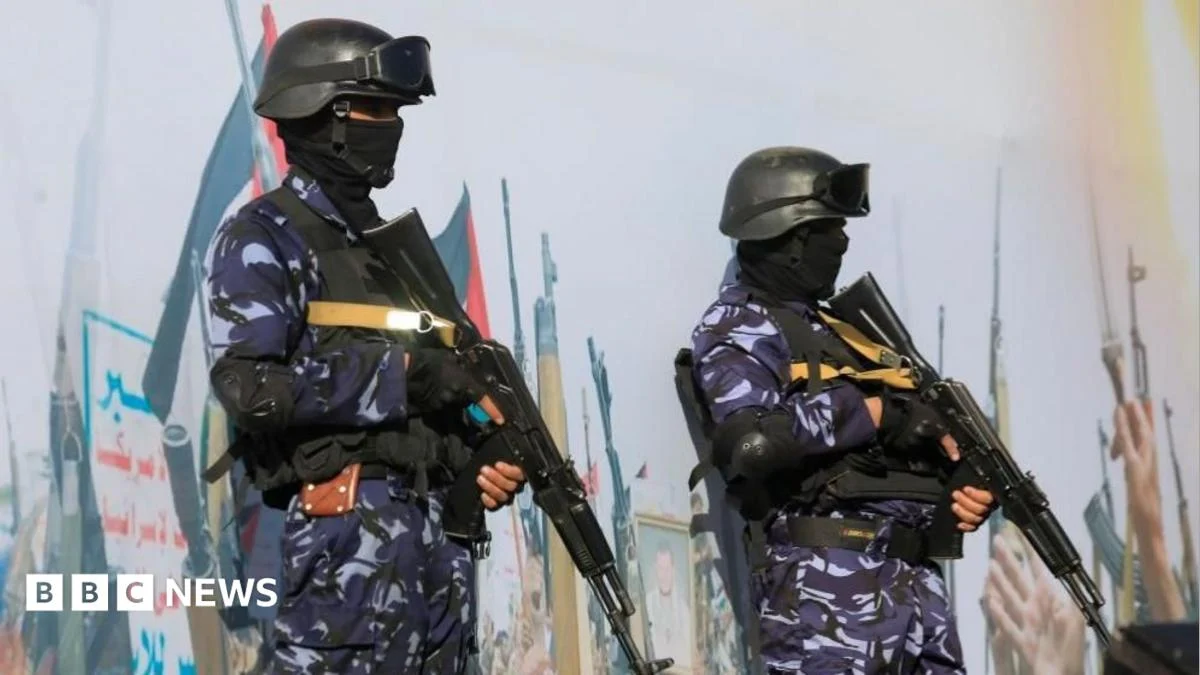
Lede: A recent Riyadh airport attack underscores the escalating volatility in a long-running regional conflict, where physical damage is swiftly repaired but reputational harm lingers. The Houthis have intensified cross-border strikes on Saudi Arabian soil, testing both infrastructure and international confidence in the kingdom’s security.
The frequency of these incidents reflects a broader pattern of militarized tension, with each attack reinforcing perceptions of instability long after the blast sites are cleared and rebuilt.
Key Facts
- A Riyadh airport attack occurred amid an already tense conflict.
- The Houthis have increased their strikes on Saudi Arabian territory.
- Physical damage from the Riyadh airport attack can be repaired quickly.
- The repeated attacks are damaging Saudi Arabia’s reputation for stability.
What Happens Next?
The Riyadh airport attack fits into a cycle of retaliation and counterstrike that has defined the wider conflict for months. Each incident triggers emergency responses, including airspace restrictions and heightened military readiness, though officials rarely disclose full operational details. The Houutters, based primarily in Yemen, have previously claimed responsibility for similar incursions using drones and missiles, but confirmation in this instance remains unclear. What is certain is that the pattern shows no sign of abating, meaning further disruptions to civilian and commercial aviation are likely unless diplomatic breakthroughs occur.
Analysts note that the choice of high-profile targets like airports amplifies psychological impact beyond structural damage. These strikes often coincide with major events or symbolic moments, suggesting deliberate timing. As defenses improve and intercepts increase, attackers may adapt tactics, potentially shifting toward more sophisticated or coordinated methods. The international community continues monitoring developments closely, particularly any movement involving oil exports or regional alliances.
Who Is Affected?
Beyond immediate passengers and staff, the Riyadh airport attack reverberates across sectors dependent on safe passage through Saudi airspace. Airlines must reroute flights, increasing costs and delays, while foreign investors weigh risk versus reward when operating near active combat zones. For ordinary citizens, repeated alerts and evacuations erode daily life, especially in densely populated areas near military installations or government facilities.
Regional governments face mounting pressure to respond decisively without escalating hostilities further. Humanitarian corridors remain fragile, and aid delivery faces growing obstacles. Meanwhile, global powers with strategic interests in the region find themselves caught between advocating for de-escalation and supporting allies’ sovereignty. The cumulative toll extends far beyond any single blast site, reshaping norms around acceptable use of force and civilian safety standards.
What We Know — and What We Don’t
Verified by the source:
- A Riyadh airport attack took place during a period of heightened conflict.
- Houthi activity targeting Saudi soil has intensified recently.
- Damage caused by such attacks can typically be repaired rapidly.
- These incidents have negatively affected perceptions of Saudi stability.
Still unconfirmed:
- The exact timing or casualties resulting from the Riyadh airport attack.
- Whether the Houthis officially claimed responsibility.
- Official statements from Saudi or Houthi authorities regarding the incident.
- The broader strategic implications or intended message behind the strike.
Why It Matters
This story signals deeper fissures within a volatile geopolitical landscape where missteps can trigger cascading consequences. Even minor skirmishes carry weight when they challenge long-standing assumptions about peacekeeping efforts and energy security. Readers should understand how seemingly isolated events contribute to a mosaic of uncertainty affecting trade routes, migration flows, and multilateral diplomacy worldwide.
What To Watch
Future Riyadh airport attack attempts or retaliatory actions could prompt new sanctions or shifts in foreign policy postures among involved nations.
Link: Explore more war-geopolitics coverage and related economy-markets fallout from ongoing tensions.