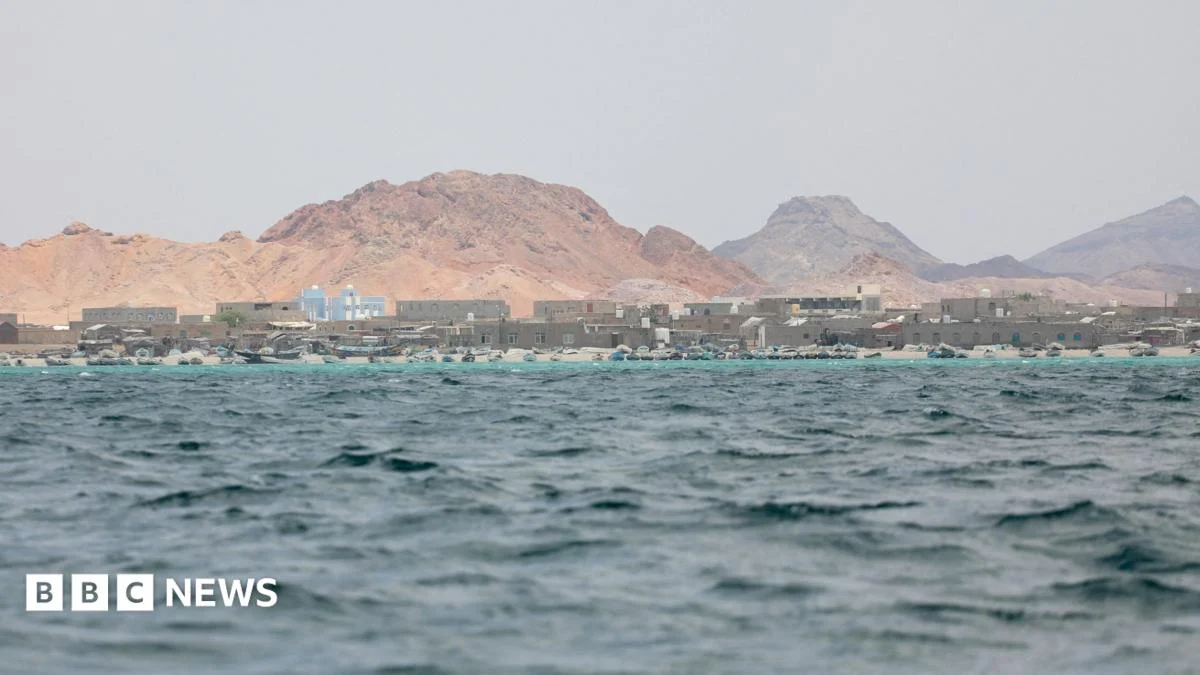
A boat carrying migrants from Djibouti to Yemen capsized near the port town of Obock on Thursday night, resulting in at least 109 deaths, including those of children, the United Nations reported. The vessel was transporting approximately 350 people when it overturned, marking one of the deadliest maritime tragedies in the region.
The Djibouti boat disaster underscores the extreme risks faced by those attempting the dangerous journey across the Gulf of Aden. Survivors were reportedly rescued and taken to nearby facilities, though conditions remained unclear. This tragedy highlights ongoing humanitarian crises linked to migration routes through the Horn of Africa.
KEY FACTS
- The boat capsized near Obock, Djibouti.
- At least 109 people died.
- Children were among the fatalities.
- Approximately 350 people were on board.
- The route was from Djibouti to Yemen.
The Djibouti boat disaster: Who is affected?
The victims include families and individuals seeking safer passage to Yemen, often fleeing conflict or economic hardship. Many hail from neighboring countries in the Horn of Africa. Survivors and relatives now face grief and uncertainty, while aid groups scramble to provide support. The loss of life also impacts local communities in Djibouti and beyond. Children perishing in such events leaves long-term social and emotional scars on affected populations. International organizations have repeatedly warned about the perilous nature of this migration corridor. The ongoing instability in Yemen and Ethiopia fuels continued attempts to cross. Each year, hundreds risk their lives making this journey. Despite warnings, desperate circumstances drive people to attempt the crossing. Maritime rescue efforts remain limited, increasing the likelihood of fatal outcomes. The international community continues calling for safer alternatives and legal pathways for migration. However, implementation remains slow and fragmented. As borders tighten elsewhere, pressure mounts on already strained regional systems. The Djibouti boat disaster serves as a grim reminder of the human cost of policy gaps.
How did we get here?
Migration from the Horn of Africa to Yemen has increased over recent years due to protracted conflicts and dire economic conditions. The short but treacherous sea route spans roughly 180 kilometers, yet countless boats attempt it annually. Smugglers exploit vulnerable populations, offering passage for steep fees. Overcrowded vessels often lack basic safety equipment. Weather conditions can turn deadly within hours. Djibouti’s proximity to Yemen makes it a common departure point. Authorities have tried to curb departures, but demand persists. International attention has focused on curbing trafficking networks. Yet enforcement alone fails to address root causes. Without viable alternatives, tragic outcomes like the Djibouti boat disaster will likely continue.
What We Know — and What We Don’t
Verified by the source:
- The boat was traveling from Djibouti to Yemen.
- There were approximately 350 people on board.
- The boat capsized near Obock on Thursday night.
- At least 109 people died, including children.
Still unconfirmed:
- The exact cause of the capsizing remains unknown.
- Number of survivors is not specified.
- Circumstances leading to the incident are unreported.
- No official statement from Djibouti or UN officials named.
Why It Matters
This disaster reflects a broader pattern of perilous migration driven by instability and poverty in the Horn of Africa. It adds urgency to global discussions about protecting vulnerable populations and developing humane responses to forced displacement. For readers, it raises questions about responsibility, accountability, and the cost of inaction. Migration policies must balance security concerns with humanitarian obligations. The international community must invest in prevention, protection, and sustainable solutions. Only then can tragedies like the Djibouti boat disaster be prevented.
What To Watch
Further details may emerge as investigations proceed, though official statements have not yet been released. Ongoing recovery operations and survivor testimonies could shed more light on the circumstances surrounding the Djibouti boat disaster.