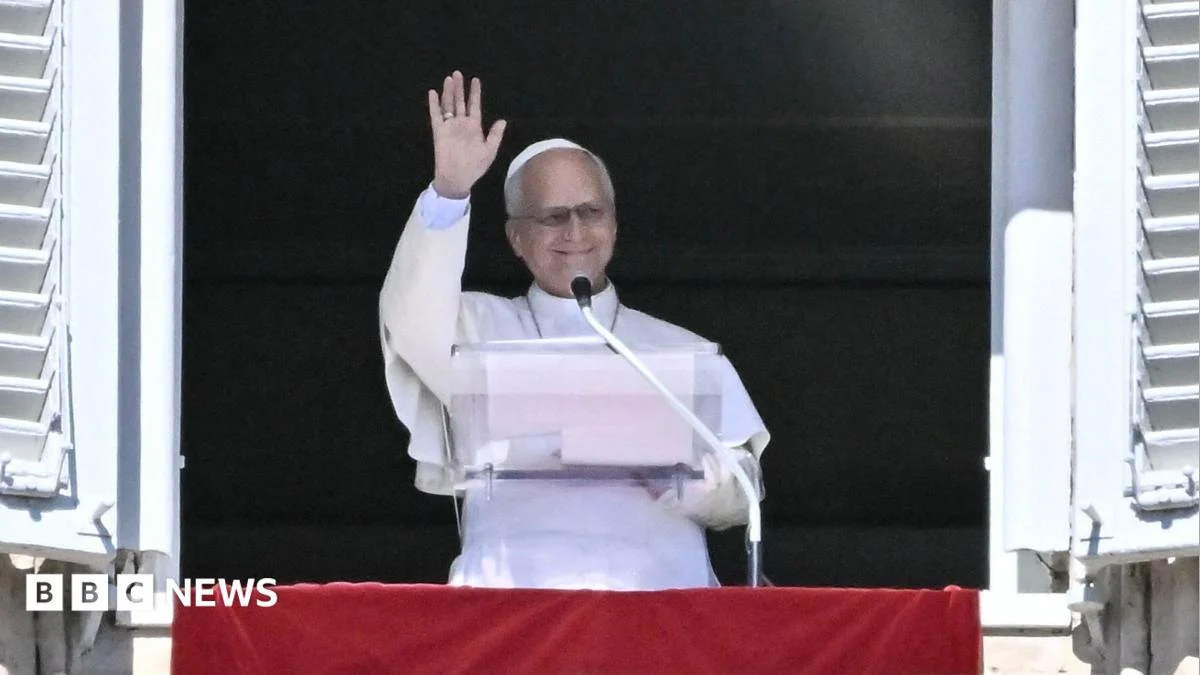
Vatican City — Pope Leo XIV is scheduled to undergo surgery after a nodule was discovered on his lung at a very early stage, BBC News reported. The 71-year-old pontiff made the announcement himself, indicating that medical professionals identified the condition during routine evaluation. No further details about timing or recovery expectations were provided in the initial statement. This marks the first significant health procedure for the newly elected pope since taking office earlier this year.
The Vatican has confirmed that the procedure is planned and not emergency-related. Officials emphasized that early detection improves prognosis, though specifics regarding the nature of the nodule or surgical approach remain undisclosed. As with any major operation involving the leader of the Roman Catholic Church, this development carries both spiritual and geopolitical implications across global religious communities.
Key Facts
- Pope Leo XIV will undergo surgery for a lung nodule.
- Nodule found at a very early stage, BBC News reported.
- Pope is 71 years old.
- No emergency — surgery is planned.
- Vatican confirmed the decision to proceed.
What the Diagnosis Means Medically
A lung nodule refers to a small abnormal tissue growth, often detected via imaging such as a CT scan. When identified at an early stage, these nodules may be benign or treatable without extensive intervention. In elderly patients, additional screening and monitoring protocols are standard practice. Surgical removal remains one of several treatment options depending on size, location, and biopsy results. Since no public statement clarifies whether the nodule is malignant or benign, speculation should be avoided until more information emerges.
Who Is Affected and Why It Matters
Beyond personal health considerations, the outcome of Pope Leo surgery impacts over one billion Catholics worldwide who look to the papacy for spiritual guidance. The Vatican operates independently but collaborates closely with international governments and institutions. Any prolonged absence or succession concerns could influence diplomatic relations, especially within European and Latin American nations where Catholicism plays a central role in civic life. Additionally, markets sensitive to faith-based investments might react modestly if uncertainties arise around leadership continuity.
How Did We Get Here?
Elected in May 2025, Pope Leo XIV succeeded a decade-long papacy marked by global outreach and reform efforts. His current condition appears unrelated to previous health disclosures. Routine medical exams are customary for heads of state and clergy alike. That this issue surfaced so soon into his tenure underscores the importance of transparency moving forward. While past popes have undergone minor procedures privately, modern communication channels ensure rapid dissemination of updates through official Vatican media platforms.
What We Know — and What We Don’t
Verified by the source:
- Pope Leo XIV will undergo planned surgery for an early-stage lung nodule.
- The diagnosis was disclosed directly by the pope.
- He is currently 71 years old.
- BBC News serves as the originating source of reporting.
Still unconfirmed:
- Exact date or time frame for the surgery.
- Nature of the nodule — benign or malignant.
- Expected recovery duration or impact on duties.
- Type of surgical procedure to be performed.
- Official comments from Vatican medical team.
Why It Matters
As the head of the world’s largest Christian denomination, the pope’s health influences millions spiritually and politically. Even routine medical events involving religious leaders can shape discourse among believers and policymakers. This situation highlights the delicate balance between institutional openness and pastoral privacy.
What To Watch
Further clarification from Vatican press offices is expected. Updates on pre-operative preparations, recovery timelines, or administrative adjustments during the pope’s absence will help define next steps.
Meta description: Pope Leo XIV to undergo planned lung surgery after an early-stage nodule was found, BBC News reported.