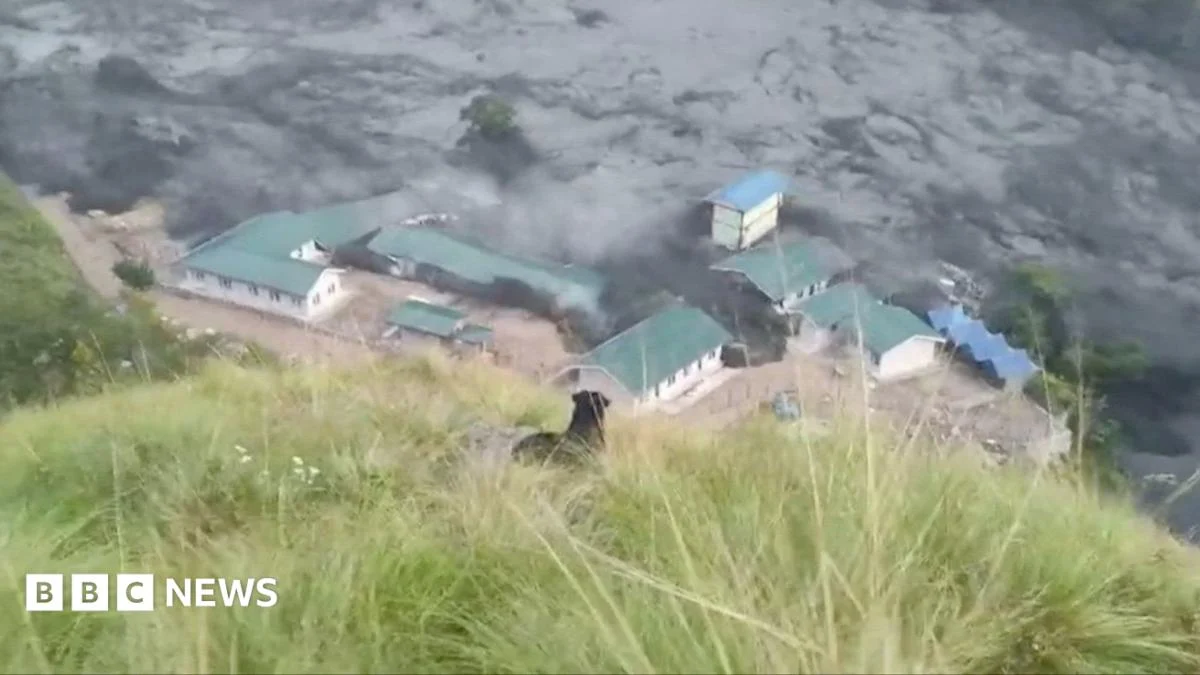
Fresh floods struck Nepal, sweeping away homes and bridges in areas still reeling from catastrophic flooding that occurred less than two months ago and left thousands dead and missing, according to BBC News.
The new flooding compounds an already severe humanitarian and infrastructure crisis. Communities that had only just begun to rebuild face additional displacement, while damaged roads and bridges threaten to cut off access toremote regions. With thousands previously reported dead or missing, the latest floods raise further concerns about emergency response capacity and long-term recovery.
Key Facts
- Nepal hit by fresh floods less than two months after earlier deadly floods.
- Homes and bridges swept away in the latest flooding.
- Previous floods left thousands dead and missing.
- Country still trying to recover from prior catastrophic flooding.
The Story
What happens next?
Authorities are expected to assess the full extent of damage from the latest floods, including how many additional people have been displaced or killed. Given that the previous floods left thousands dead and missing, relief agencies are likely prioritizing search and rescue, temporary shelter, and medical support, especially in isolated areas where bridge collapses may cut off communication and supply routes.
Recovery efforts from the earlier floods were already strained by the scale of destruction. Roads, schools, and health facilities were damaged, and many families remained without basic services. With new flooding now worsening conditions, international aid organizations may need to scale up assistance. However, without confirmed casualty figures or damage assessments, the full scope of the new disaster remains unknown.
Regional climate patterns suggest that flood risks may persist through the monsoon season, particularly in low-lying river valleys and hilly regions. Emergency preparedness and early warning systems will be critical in minimizing future losses, especially in areas where infrastructure has already been weakened by repeated flooding.
Who is affected?
The latest floods primarily affect communities in southern and central Nepal, where river flooding is most common. In addition to those already displaced or affected by the earlier floods, new residents now face loss of homes, crops, and livelihoods. Vulnerable populations, including children and elderly residents, are at heightened risk due to disrupted access to food, clean water, and healthcare.
Thousands of people were reported dead or missing after the previous floods, straining local resources and shelter capacity. The new wave of flooding is likely to push more families into displacement, increase food insecurity, and strain ongoing relief operations across multiple districts.
International organizations and aid donors are monitoring the situation closely, but concrete support depends on accurate damage assessments. Without verified figures for casualties or affected individuals, planning humanitarian responses remains challenging for both national and international actors.
What We Know — and What We Don’t
Verified by the source:
- New floods have swept away homes and bridges in Nepal.
- The flooding follows earlier catastrophic floods within the past two months.
- Thousands of people were reported dead or missing in the prior flooding.
- Nepal continues recovery efforts from the earlier disaster.
Still unconfirmed:
- Total number of casualties or missing persons from the latest floods.
- Exact geographic locations or districts most affected by the new flooding.
- Estimated number of homes and bridges destroyed in the current event.
- Official statements or response plans from Nepali authorities.
Why It Matters
Repeated flooding in a single region within a short timeframe highlights the vulnerability of Nepali communities to climate-related disasters. Each successive flood undermines progress in recovery and reconstruction, increases humanitarian needs, and tests the capacity of both national and international responders to provide timely assistance. For readers concerned with global climate resilience, Nepal’s ongoing crisis offers a case study in compounding disasters and the limits of emergency preparedness.
What To Watch
Further updates from BBC News and official sources will clarify the scale of the new flooding and whether additional aid deployments are underway. Monitoring developments in the coming days will help confirm whether the situation is stabilizing or worsening.
Nepal remains a Category 2 source with moderate credibility reporting. Stay tuned to war-geopolitics and climate-environment for related coverage.