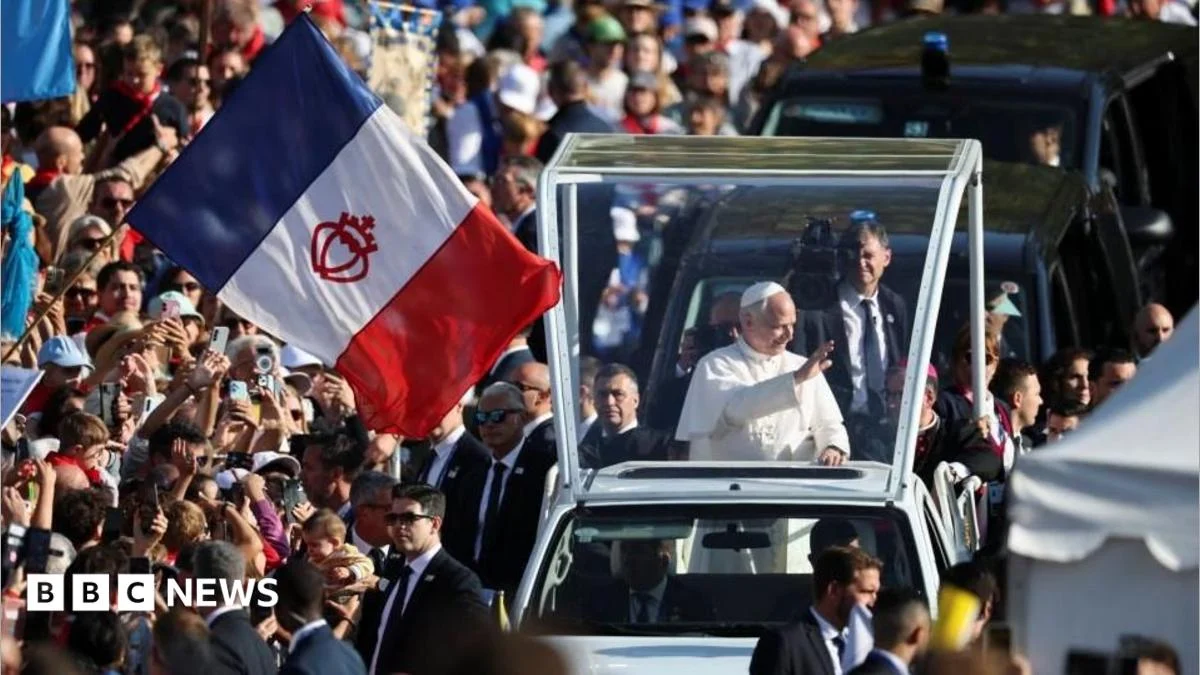
Pope Leo used his visit to the French Marian shrine of Lourdes to urge bishops to confront what he called a ‘scourge’ of abuse within the Church. Speaking to bishops before leading a service attended by thousands of worshippers, he emphasized that abuse must be actively eliminated. His remarks, delivered during a gathering focused on spiritual healing, underscored the Vatican’s ongoing efforts to address longstanding concerns about clerical misconduct. The visit placed renewed attention on institutional accountability measures being pursued by Church leadership.
Key Facts
- Pope Leo visited Lourdes in France.
- He described abuse as a scourge requiring urgent action.
- Pope Leo addressed bishops directly during the visit.
- He led a service attended by thousands of worshippers.
The Abuse Scourge and Institutional Response
The Pope’s framing of abuse as a ‘scourge’ reflects a persistent challenge for the Catholic Church worldwide. For decades, revelations of clerical abuse and subsequent cover-ups have damaged public trust in Church institutions. Under Pope Leo’s leadership, the Vatican has pledged reforms including stricter reporting protocols and expanded access to compensation for victims. These changes follow years of inquiry commissions, legal settlements, and calls for transparency from survivors’ groups. The Pope’s language signals continued priority given to addressing abuse allegations at the highest levels of Church governance. His address to bishops during this visit reinforced expectations for decisive pastoral and administrative responses moving forward.
What Happens Next?
Following the Pope’s visit, Church officials indicated renewed focus on implementing safeguarding policies already outlined in recent Vatican directives. Those directives include mandatory training for clergy, independent oversight bodies, and clearer channels for reporting misconduct. In France specifically, bishops have faced increasing pressure to cooperate with domestic authorities investigating historical cases. Survivor advocacy organizations responded cautiously to the Pope’s statements, noting that words alone would not suffice without concrete accountability measures. Expectations remain high ahead of upcoming meetings where bishops may review updated compliance frameworks tied to abuse prevention programs developed since earlier papal initiatives.
Background: Papal Authority and Reform Efforts
The Pope holds authority to appoint bishops globally, giving him influence over personnel decisions related to abuse investigations. Previous papal visits to major shrines like Lourdes often coincide with moments emphasizing moral renewal or doctrinal clarity. Lourdes itself draws millions annually due to its association with reported healings and pilgrimage traditions spanning centuries. By choosing this location for discussing abuse reform, the Pope invoked imagery tied to healing alongside institutional reckoning. His message echoed themes from prior encyclicals and apostolic letters urging systemic change rather than symbolic gestures alone. Analysts note that while papal rhetoric shapes tone, sustained reform depends heavily on coordination between Vatican departments and national bishops’ conferences.
What We Know — and What We Don’t
Verified by the source:
- Pope Leo visited Lourdes in France.
- He described abuse as a scourge requiring urgent action.
- Pope Leo addressed bishops directly during the visit.
- He led a service attended by thousands of worshippers.
Still unconfirmed:
- The specific date and full itinerary of the Pope’s visit.
- Names of individual bishops present or quoted remarks attributed to them.
- The content or outcome of private discussions between the Pope and bishops.
- Reactions from victim advocacy groups mentioned in broader context but not quoted directly.
Why It Matters
High-profile papal comments on abuse carry weight across global Catholic communities where trust in Church institutions remains fragile. The continued emphasis on eliminating abuse signals an acknowledgment that moral authority hinges significantly on demonstrable commitment to justice and protection for vulnerable individuals. As public scrutiny intensifies, statements made during high-profile events such as this Lourdes visit can shape expectations for follow-through by religious leaders operating under varying degrees of external oversight in different countries.
What To Watch
Observers will look for concrete steps from bishops’ conferences worldwide to align local practices with evolving Vatican guidelines. Further details about any formal responses emerging from this visit are likely expected in the coming weeks.