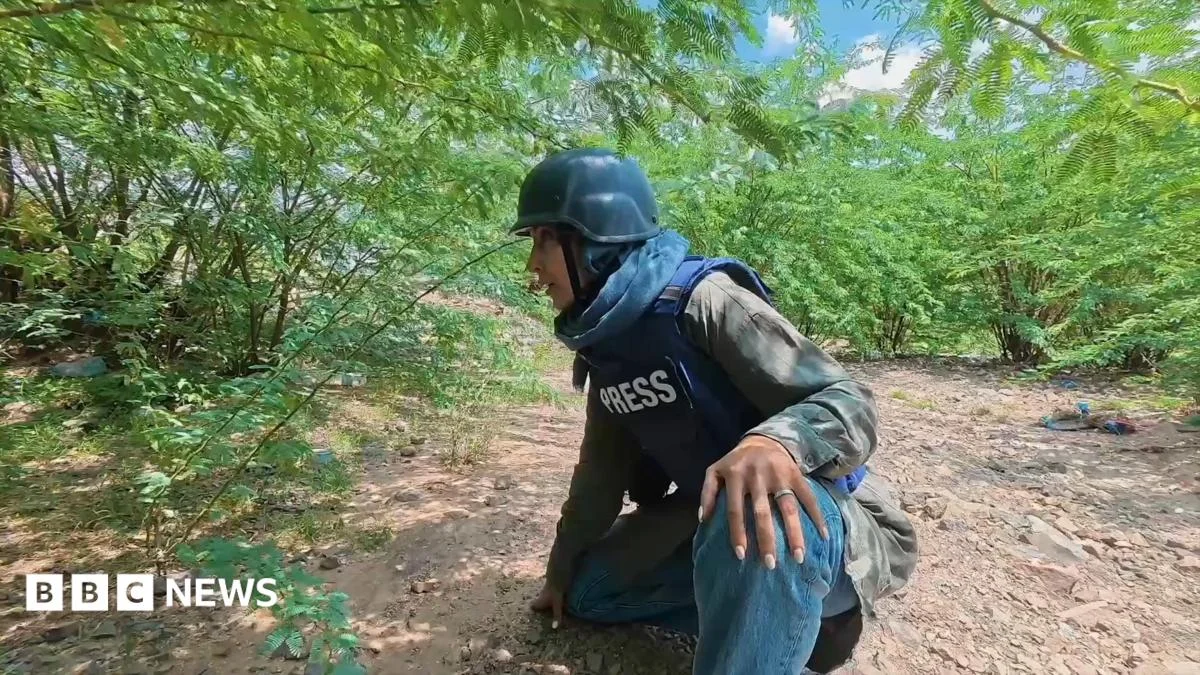
In rare access to Yemen’s conflict zone, BBC News traveled to the front line of the escalating war alongside pro-government soldiers. The reporting offers a firsthand view of active combat areas that are typically off-limits to international media.
The footage highlights the intensity of ongoing fighting and provides a glimpse into the conditions faced by those on the ground in one of the world’s most underreported conflicts.
KEY FACTS
- BBC News reported from the front line of an escalating war in Yemen.
- The reporting was conducted in a conflict zone with limited outside access.
- Pro-government soldiers were present during the BBC’s front-line visit.
The Front Line: What Does Access Reveal?
The ability of BBC News to embed with pro-government forces underscores the difficulty and danger of covering the Yemen conflict. International journalists rarely gain access to active front lines due to security risks, bureaucratic restrictions, and ongoing hostilities. By accompanying soldiers, the BBC captured footage that reflects the realities of trench warfare, artillery fire, and the daily strain on military personnel operating in contested areas.
Such reporting contributes to public understanding of a war that has received limited media attention despite causing one of the largest humanitarian crises in recent history. The visuals serve as a reminder of the human cost of the conflict, even as broader peace efforts remain stalled.
Who Is Affected by the Escalating Conflict?
The war in Yemen involves multiple parties, including the Houthi movement, the Saudi-led coalition, and various local and regional actors. Civilians continue to bear the brunt of the violence, with shortages of food, water, and medical supplies affecting millions of people across the country.
Despite international calls for de-escalation, fighting persists in several regions, particularly around key cities and strategic locations. The lack of a unified peace agreement means that access for aid organizations and independent observers remains severely restricted, leaving many communities isolated and vulnerable.
How Did We Get Here?
The roots of the conflict trace back to political instability following the Arab Spring protests in 2011. Since 2014, when the Houthis seized control of the capital, Sanaa, the situation has deteriorated. A Saudi-led military intervention began in 2015, aiming to restore the internationally recognized government.
This multilayered war has fragmented control across Yemen, making it difficult to establish lasting stability. Each party holds different territorial gains at various times, contributing to an ever-shifting front line landscape that complicates both humanitarian access and diplomatic resolution.
What We Know — and What We Don’t
Verified by the source:
- The BBC filmed footage from an active front line in Yemen.
- This reporting occurred during an escalation phase of the war.
- The team traveled with pro-government soldiers.
Still unconfirmed:
- The precise location and date of the BBC’s front-line visit.
- Casualty figures or military outcomes tied to the footage.
- Long-term implications of renewed front-line access for media coverage.
Why It Matters
Limited media access to war zones like Yemen can leave global audiences disconnected from ongoing crises. Firsthand reporting helps contextualize the humanitarian toll and supports informed discussions about international responsibility and intervention. Continued violence and restricted access only deepen the anonymity of suffering in regions where accurate information is already scarce.
What To Watch
Future BBC or other international network coverage may provide further insight into shifting dynamics along Yemen’s front lines. Peace talks and humanitarian developments will likely shape whether such reporting becomes more routine or remains exceptional.