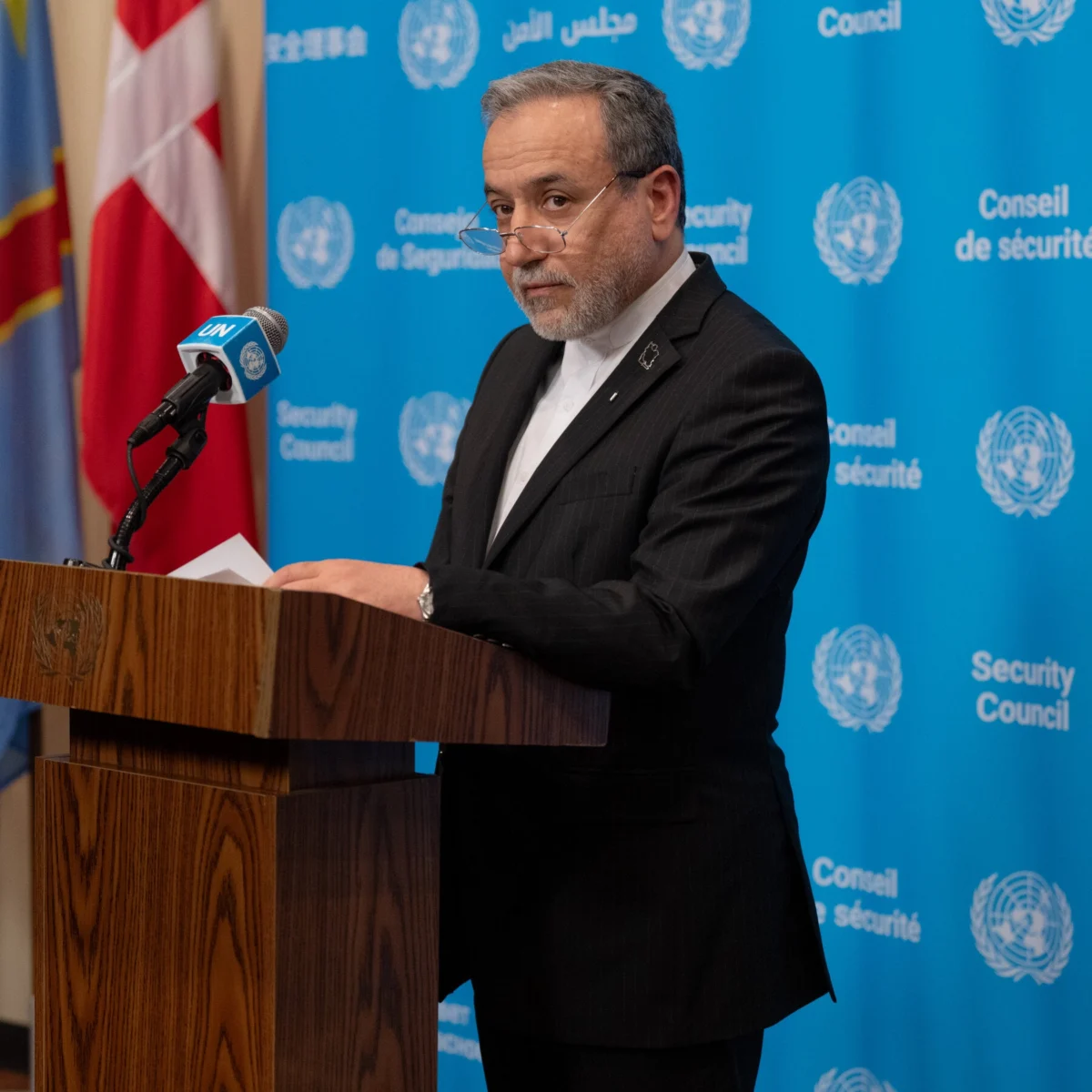
Iran is still awaiting what it calls an official U.S. response following President Trump’s rejection of a cease-fire proposal, Tehran’s foreign minister said. Abbas Araghchi, Iran’s foreign minister, indicated that a history of contradictory messaging from the U.S. meant Trump’s rebuke may not represent a final position. The remarks come amid ongoing tensions over security in the Strait of Hormuz, a strategic waterway for global oil shipments.
The exchange underscores the fragility of diplomacy between the two nations, where signals often differ across agencies and administrations. For now, Iran says it is holding its response until it receives clear, official communication from Washington.
Key Facts
- Abbas Araghchi, Iran’s foreign minister, said Iran awaits an official U.S. response.
- Iranian officials rejected Trump’s cease-fire offer, calling it inconsistent with prior U.S. messaging.
- The Strait of Hormuz remains a focal point of regional tensions.
What Happens Next?
Iran’s foreign ministry has signaled it will not act on Trump’s cease-fire proposal until it receives formal confirmation from the U.S. government. Araghchi emphasized that past instances of conflicting statements from American officials have left Tehran cautious about interpreting public remarks as policy. This pattern, he said, makes it difficult to discern whether Trump’s rejection reflects a coordinated U.S. stance or an isolated comment. Until a unified channel responds, Iran is expected to maintain its current posture, including naval activity in the Strait of Hormuz.
How Did We Get Here?
Diplomatic ties between the U.S. and Iran have long been strained, with limited direct communication channels. Recent months have seen escalating rhetoric and naval encounters in the Persian Gulf, raising concerns among international shipping firms and energy markets. The latest flare-up began after reports surfaced of Iranian vessels shadowing U.S. warships. In response, Trump publicly dismissed a proposed cease-fire, prompting Tehran to question whether the statement carried weight beyond a tweet. Analysts note that such ambiguity has become a recurring challenge in U.S.-Iran relations.
What We Know — and What We Don’t
Verified by the source:
- Iran’s foreign minister is Abbas Araghchi.
- Iran says it awaits an official U.S. response on the cease-fire offer.
- President Trump publicly rejected the cease-fire proposal.
- The Strait of Hormuz is part of the context for ongoing tensions.
Still unconfirmed:
- No formal statement from the U.S. State Department or Pentagon has been cited.
- No official cease-fire proposal has been documented beyond media reports.
- Specific timeline or next steps remain unclear.
- No independent verification of conflicting messages from U.S. officials.
Why It Matters
Disruptions in the Strait of Hormuz can affect energy supplies worldwide, since roughly one-fifth of global petroleum liquids pass through the waterway. Uncertainty over whether diplomatic channels are aligned increases the risk of miscalculation, which could draw broader regional actors into conflict.
What To Watch
Whether the U.S. issues an official response and whether Iran alters its naval posture in the Strait of Hormuz will signal how both sides proceed.