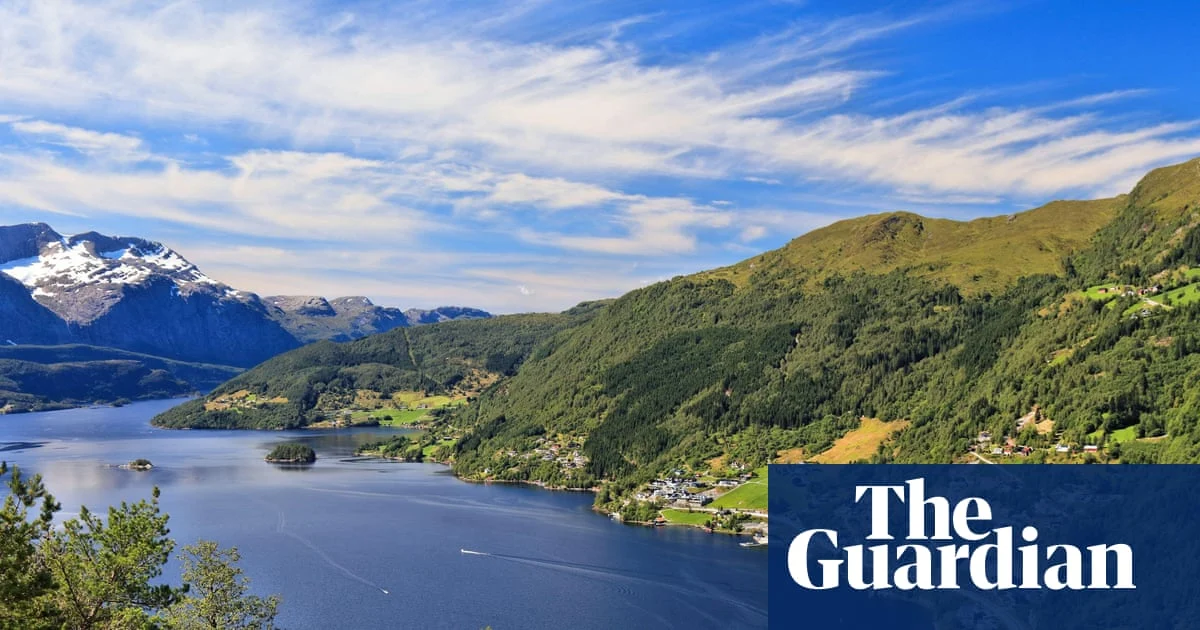
Norway has approved a permit allowing a mining company to release waste into the Førde fjord, overturning a Supreme Court ruling and ending a 17-year campaign by environmentalists.
The decision came after the Norwegian government granted the permit despite the Supreme Court ruling that such dumping was illegal. Local residents and environmental groups had fought the project for nearly two decades, citing damage to fishing and marine life. The ruling had been celebrated as a victory in 2026, but the government’s reversal has renewed outrage.
KEY FACTS
- The Norwegian government granted a mining company a permit to release waste into Førde fjord.
- The permit was issued despite a 17-year campaign by environmentalists.
- Norway’s Supreme Court previously ruled the permit illegal.
- Local Fisherfolk and environmental groups opposed the dumping.
How Did We Get Here?
The conflict began over 17 years ago when a mining company first sought permission to discharge waste directly into the Førde fjord. Environmental organizations, including Friends of the Earth Norway, challenged the plan in court, arguing that the dumping would harm marine ecosystems and local fishing industries.
In 2026, the Norwegian Supreme Court ruled against the government, finding that the existing permit allowing mine waste dumping was illegal. The ruling was hailed as a major win by campaigners and local residents who had spent years advocating for the fjord’s protection.
However, shortly after the ruling, the government announced it would issue a new permit to the same mining company, effectively overriding the court’s decision. Officials cited economic and strategic interests, though details of the revised permit remain scarce. The move has sparked renewed protests and legal scrutiny.
Who Is Affected?
The primary communities impacted by the mine waste dumping are those living along the Førde fjord on Norway’s west coast. Among them are third-generation fishers who depend on the fjord for their livelihoods. Environmental groups warn that continued dumping could disrupt salmon populations and damage the broader marine environment.
Fisherfolk in the area have expressed concern that the toxic runoff could reduce fish stocks and contaminate seafood. Scientists have raised alarms about the long-term effects on water quality, though comprehensive environmental impact studies have not been publicly released.
Indigenous and rural communities downstream from the mine site also rely on clean water and sustainable fishing. Advocates say the decision sets a dangerous precedent for future industrial projects across Norway’s sensitive coastal regions.
What Happens Next?
The government’s new permit has triggered fresh legal challenges from environmental groups and local organizations. Several lawsuits have been filed in Norwegian courts, arguing that the revised permit violates both national and international environmental laws.
Meanwhile, the mining company has signaled its intent to begin waste disposal operations within weeks, pending final administrative approval. Environmentalists are calling for urgent public demonstrations and plan to escalate their campaign to the European Free Trade Association court.
International observers are also watching closely, as the case could influence regional standards for mining practices and fjord conservation in the Nordic countries.
WHAT WE KNOW — AND WHAT WE DON’T
Verified by the source:
- The Norwegian government granted a permit for mine waste dumping in the Førde fjord.
- A 17-year campaign by environmental groups opposed the dumping.
- The Supreme Court ruled the previous permit illegal.
- Local residents and fishers actively opposed the project.
Still unconfirmed:
- Specific terms and conditions of the new government permit.
- The full scope and timeline of waste disposal operations.
- Results of any updated environmental impact assessments.
- Whether additional legal action could halt the dumping.
Why It Matters
The decision reflects ongoing tensions between industrial development and environmental protection in Norway. As climate goals push nations to mine critical minerals, this case highlights the difficulty of balancing economic interests with ecological preservation. For residents and ecosystems, the stakes are high.
Related coverage: Climate & Environment, Politics
What To Watch
Courts are expected to hear new challenges in the coming months. A ruling against the government could force a suspension of the dumping, while approval would likely intensify public backlash. Stay tuned for developments as legal and political pressure mounts.