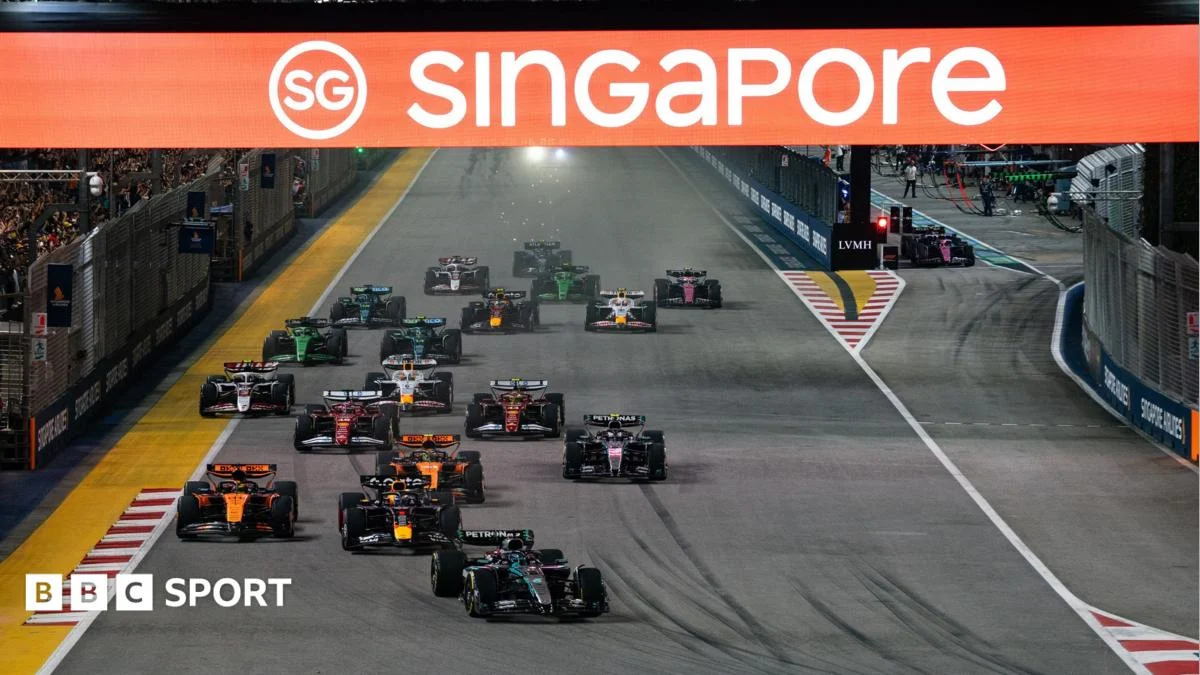
The Singapore Grand Prix has been declared a heat-hazard race, making it the second consecutive weekend with such a designation in Formula 1 and the fourth occurrence this season.
This classification indicates that track and ambient conditions have reached a level considered dangerous to drivers, prompting additional safety measures during the race weekend.
Heat-hazard races are uncommon but not unprecedented in the sport, and they typically result in modified scheduling, additional hydration protocols, and stricter cockpit temperature monitoring for drivers.
Key Facts
- heat hazard declared for the Singapore Grand Prix.
- Second consecutive weekend with a heat-hazard designation in Formula 1.
- Fourth heat-hazard classification of the current season.
- Designation reflects elevated track and ambient temperatures.
- BBC News reported the classification for the Singapore event.
What triggers a heat-hazard classification?
Formula 1 officials monitor track surface temperature, ambient air temperature, and humidity levels throughout each race weekend. When those factors exceed predetermined safety thresholds, the governing body applies a heat-hazard designation to alert teams and drivers to enhanced risks during competition.
The classification requires organizers to implement supplementary safety procedures, including extended hydration stations, cooled driver equipment checks, and potential adjustments to session timing to reduce exposure during the hottest parts of the day.
The decision follows a standardized protocol reviewed annually by the governing body’s medical and safety departments, incorporating feedback from drivers, team doctors, and circuit officials who assess local environmental conditions before each event.
How did we get here?
Heat-hazard classifications have occurred sporadically in recent seasons, often at venues with high ambient temperatures and limited airflow around the circuit. The Singapore street circuit, known for its tight layout and tropical climate, frequently presents challenging conditions for drivers throughout a race weekend.
This season marks an unusually high number of heat-hazard declarations compared to previous years, possibly reflecting increasingly warmer race venues or revised safety thresholds introduced by Formula 1’s governing body prior to the current championship.
Teams prepare for such conditions by modifying cooling systems, adjusting driver hydration plans, and coordinating with officials on contingency procedures should track temperatures rise beyond safe operating limits during any session.
What We Know — and What We Don’t
Verified by the source:
- The Singapore Grand Prix has been declared a heat-hazard race.
- The designation is the second consecutive weekend with a heat-hazard classification in Formula 1.
- It represents the fourth heat-hazard declaration of the current season.
- BBC News reported the classification.
Still unconfirmed:
- Specific temperature readings or exact criteria thresholds for the heat-hazard designation.
- Which exact safety measures will be implemented for drivers and teams.
- Whether future races will also receive similar classifications based on weather forecasts.
The increasing frequency of heat-hazard classifications highlights ongoing concerns about climate-related impacts on motorsport, underscoring the importance of safety protocols as global temperatures rise. Read more about climate and environment developments affecting sports in our climate-environment coverage and explore broader implications in top-stories.
Officials have not yet provided additional details regarding updated scheduling changes or specific driver briefings related to the current heat-hazard designation. Future race classifications will likely depend on real-time weather data and evolving safety guidelines, suggesting continued close monitoring throughout the remainder of the season.