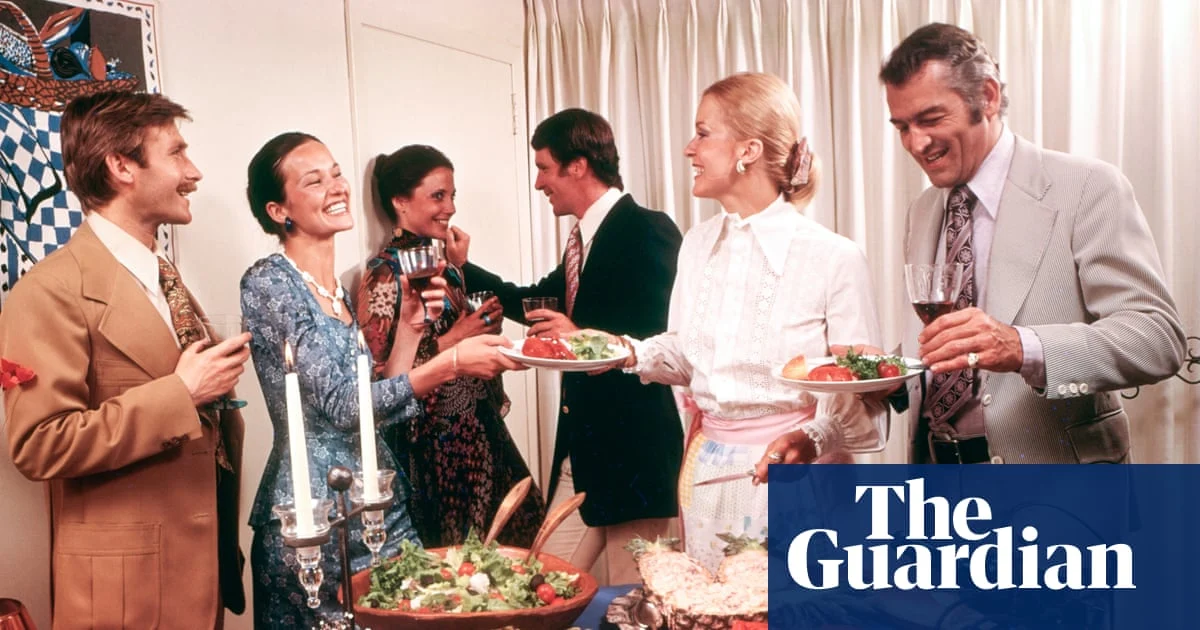
Increasing numbers of people are avoiding hosting at home, citing time pressures, cleanup burdens, and the appeal of dining out as key reasons for the shift in social habits.
Once a common part of social life, hosting at home is becoming less frequent. A 41-year-old from Birmingham described preferring restaurants over preparing meals for visitors, reflecting broader changes in how people connect.
Key Facts
- Regular hosting of friends or family in the US fell from 42% in 1975 to 12% in 2026.
- Over four in 10 British people avoid hosting at home due to cleanup requirements.
- A Birmingham resident noted preferring restaurants over hosting due to time and space constraints.
- Celebrity chef Nigella Lawson has admitted stepping back from formal dinner parties.
- UK polling firm surveyed 2,000 adults about hosting habits.
Changing Social Customs
The decline in hosting at home reflects shifting lifestyles, especially among busy parents and working professionals. Rehanna, a 41-year-old from Birmingham, explained that before having children she enjoyed hosting but now finds it difficult to manage cooking while entertaining. Rather than preparing elaborate meals, she opts for cold buffets or chooses to dine out instead. This personal adjustment mirrors a wider trend, supported by polling data showing that more than four in 10 British adults actively avoid hosting at home because of the effort involved in cleaning up afterward.
Historical Trends and Cultural Context
Data from the US suggests the change has accelerated over decades, with the share of people regularly hosting friends or family dropping from 42% in 1975 to 12% in 2026. That represents a 70% decrease over five decades. Chef Nigella Lawson, once synonymous with elegant home entertaining, has publicly acknowledged losing the habit of throwing formal dinner parties. Her admission underscores how even lifestyle experts have moved away from the tradition of hosting at home as daily routines evolve.
What Shapes Modern Gatherings?
The rise of restaurants, delivery services, and dual-income households has made going out more convenient than hosting at home. Many people report feeling judged or uncomfortable with the state of their living spaces, leading to feelings of shame when friends visit unexpectedly. Social media may amplify these concerns, making perfectionist presentations of home life seem standard. As a result, informal meetups in public spaces are replacing traditional home-based hospitality for many.
What We Know — and What We Don’t
Verified by the source:
- A US survey showed regular hosting fell from 42% to 12% over 50 years.
- A UK poll of 2,000 adults showed over 40% avoid hosting due to cleanup.
- A person from Birmingham expressed preference for dining out over hosting.
- Nigella Lawson said she stopped hosting formal dinner parties.
Still unconfirmed:
- Exact year or organization behind the US hosting statistics.
- Details of the UK polling methodology or commissioning body.
- Broader national trends beyond the sampled respondents.
- Reasons behind the decline beyond those quoted.
Why It Matters
The erosion of hosting at home may affect community bonds, mental well-being, and domestic skill-sharing across generations. While dining out offers convenience, it also removes opportunities for intimate conversations and cultural exchange within private spaces. Understanding these changes helps policymakers and social planners consider how modern lifestyles influence isolation and social cohesion.
What To Watch
Future polling may reveal whether hosting at home rebounds as remote work reshapes daily routines or if the trend continues downward. Additional commentary from sociologists or housing experts could clarify long-term implications for neighborhood interaction and mental health.