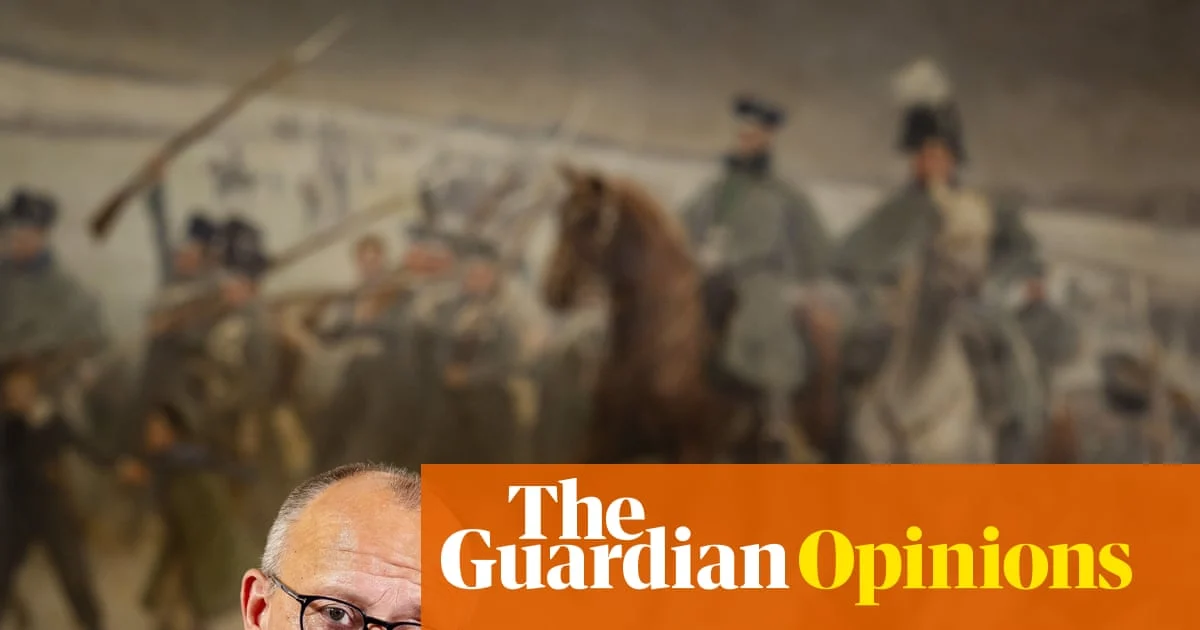
German rearmament is underway, but European allies harbor legitimate concerns over Berlin’s growing military assertiveness, according to a Guardian commentary by Paul Taylor.
The piece reflects mounting unease among Germany’s partners as Berlin considers a significant increase in defense spending, potentially reshaping the continent’s security landscape.
Key Facts
- German rearmament is accelerating, with Berlin planning increased military expenditure.
- European allies express concern over a sudden surge in German military spending.
- Friedrich Merz met Donald Trump at the White House earlier this year.
- Liana Fix, a Washington-based researcher, warned against Germany becoming Europe’s next hegeon.
- Germany spent decades as a ‘civil power,’ avoiding military dominance in Europe.
How Did We Get Here?
For over three decades, Germany maintained a policy of military restraint following reunification, earning a reputation as a “civil power” in European diplomacy. However, shifting geopolitics and renewed security threats have prompted Berlin to reconsider its defense posture. Chancellor Friedrich Merz recently met with U.S. President Donald Trump at the White House, signaling a potential realignment in transatlantic strategy.
This pivot has raised eyebrows among Germany’s NATO allies, who fear a sudden buildup of German military might could destabilize the delicate balance of power within Europe. Analysts note that while the intention may be defensive, the perception of hegemonic ambition could fuel division rather than unity.
What Happens Next?
As Germany moves toward higher defense budgets, European partners are watching closely for signs of cooperation or unilateral action. A Washington-based researcher, Liana Fix, has already cautioned that unchecked military growth could lead Germany down a path of unintended dominance, echoing historical anxieties about European power dynamics.
The situation remains fluid, with policymakers weighing national security imperatives against diplomatic relationships. Whether Berlin will pursue deeper collaboration with its allies or forge a more independent military path remains uncertain, but the stakes for European cohesion are high.
What We Know — and What We Don’t
Verified by the source:
- German rearmament is increasing.
- Friedrich Merz met Donald Trump at the White House.
- Liana Fix was invited to a private dinner during that visit.
- Concerns exist among European allies.
Still unconfirmed:
- Specific details about Germany’s increased military spending plans.
- Merz’s exact statements from the White House meeting.
- Timeline or scope of future rearmament policies.
- Official reactions from other European leaders.
Why It Matters
German rearmament could redefine Europe’s strategic future, testing long-standing alliances and raising questions about collective security. War & Geopolitics analysts suggest that balancing strength with cooperation will be critical to maintaining stability across the continent. Meanwhile, shifts in defense spending are closely tied to broader economic implications, as explored in Economy & Markets.
What To Watch
Monitor whether Germany proceeds with its defense spending increases and how European allies respond diplomatically. Official statements from Berlin and EU capitals may clarify the direction of this evolving security debate.