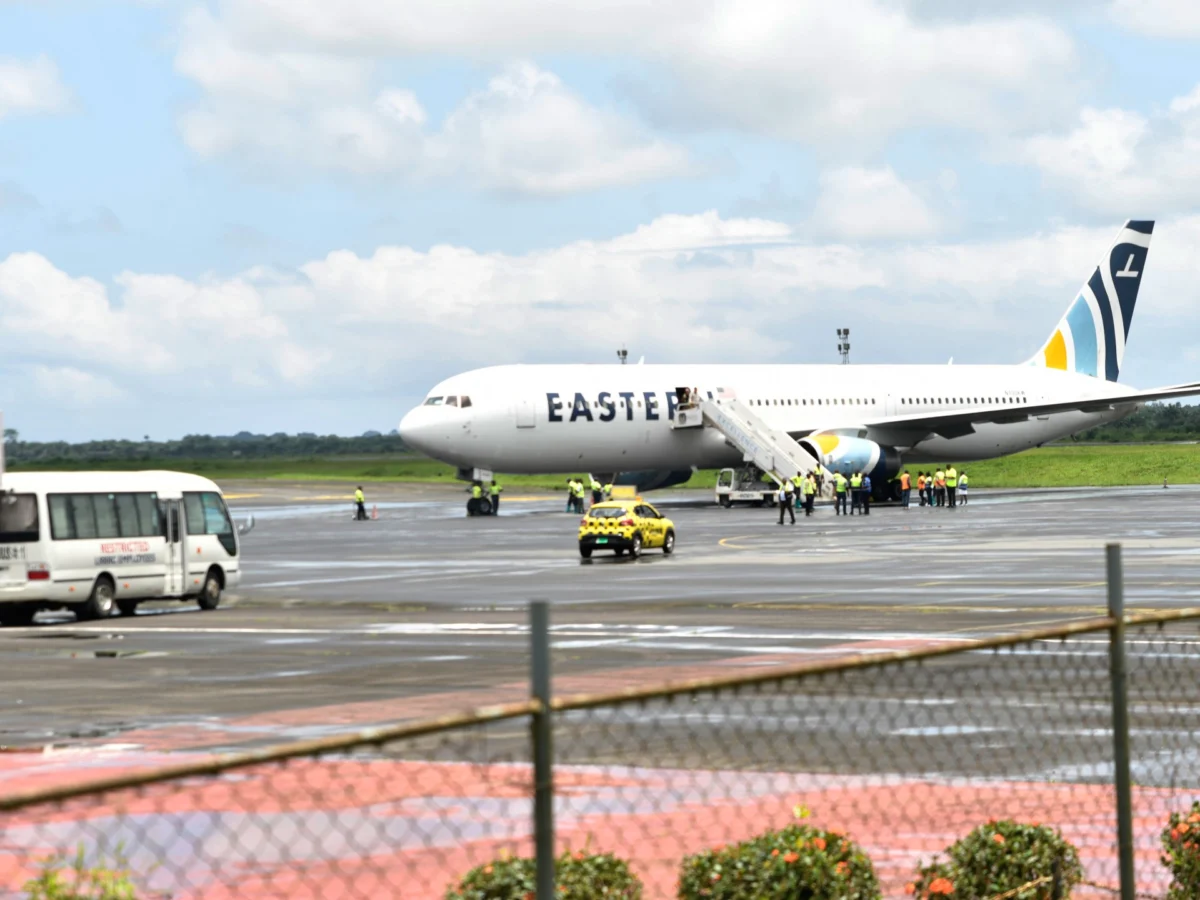
Liberia is facing growing criticism over a controversial agreement to accept deportees, a move critics say undermines the moral authority it claims at the United Nations. The arrangement marks the latest in a long history of unequal agreements between Liberia and the United States, according to analysis published by Al Jazeera. This decision has sparked renewed scrutiny over how such bilateral deals affect Liberia’s international standing and domestic policies.
The deportee agreement draws attention to a pattern of asymmetrical arrangements between Liberia and the US, many rooted in decades of diplomatic and economic ties. Analysts note that Liberia, historically dependent on foreign aid and investment, often finds itself accepting terms that favor stronger partners. While the government has not publicly commented in detail, concerns are mounting among civil society groups and regional observers about the humanitarian implications and long-term sovereignty questions raised by these deals.
Key Facts
- Liberia has agreed to take back deportees under a new or renewed arrangement with the US.
- The deal is described as the latest in a long history of unequal agreements between Liberia and the US.
- Critics argue the arrangement damages Liberia’s moral authority at the UN.
- The source does not specify when the agreement was made or under which administration.
How Did We Get Here?
The current situation reflects broader historical dynamics between Liberia and the United States, stretching back over a century. The US played a major role in Liberia’s founding in the 19th century and maintained significant influence through trade, investment, and diplomatic backing well into the modern era. These ties have often shaped bilateral accords, including those related to immigration and national security cooperation.
In recent years, Liberia has sought to balance its relationship with the US while strengthening ties with other global actors such as China and the European Union. However, the deportee agreement appears to signal continued alignment with US policy priorities. Critics argue that such cooperation comes at the cost of domestic legitimacy and international perception, particularly in forums like the UN where small nations advocate for equity and justice.
Al Jazeera’s commentary suggests that this latest deal underscores an enduring power imbalance. Without specific details on compensation, legal safeguards, or processing procedures, public trust remains strained. The lack of transparency around negotiations further fuels skepticism about accountability and representation in shaping national foreign policy decisions.
What Happens Next?
It remains unclear whether Liberia will revise or renegotiate aspects of the deportee agreement amid mounting domestic and international criticism. Regional bodies and UN agencies may increase oversight if reports emerge regarding conditions faced by returned individuals. For now, observers are watching whether Liberian leadership addresses public concern in formal statements or parliamentary discussions.
The episode also highlights ongoing debates within global diplomacy about the responsibilities of transit countries involved in deportation frameworks. As migration policy becomes more restrictive worldwide, smaller states like Liberia face pressure to uphold both humanitarian obligations and strategic partnerships simultaneously.
What We Know — and What We Don’t
Verified by the source:
- Liberia has entered into a deal to accept deportees from the US.
- This arrangement continues a historical pattern of unequal agreements between the two nations.
- The action has drawn criticism concerning Liberia’s standing at the UN.
Still unconfirmed:
- The exact date or terms of the agreement have not been disclosed.
- No official response from the Liberian government has been reported.
- Details about who qualifies for return or associated support programs remain absent.
Why It Matters
This controversy touches on core issues of sovereignty, equity, and moral leadership in international relations. Small nations navigating relationships with larger powers must weigh practical benefits against reputational risks. How Liberia manages this challenge could influence regional norms and expectations for fair treatment in global migration governance.
What To Watch
Further clarity on the deportee arrangement and any potential policy adjustments from the Liberian government is expected. Monitoring responses from multilateral institutions and regional partners may offer insight into shifting geopolitical alignments.
Liberia’s handling of the US deportee deal will likely test its ability to assert independence while maintaining critical alliances amid evolving global migration pressures.