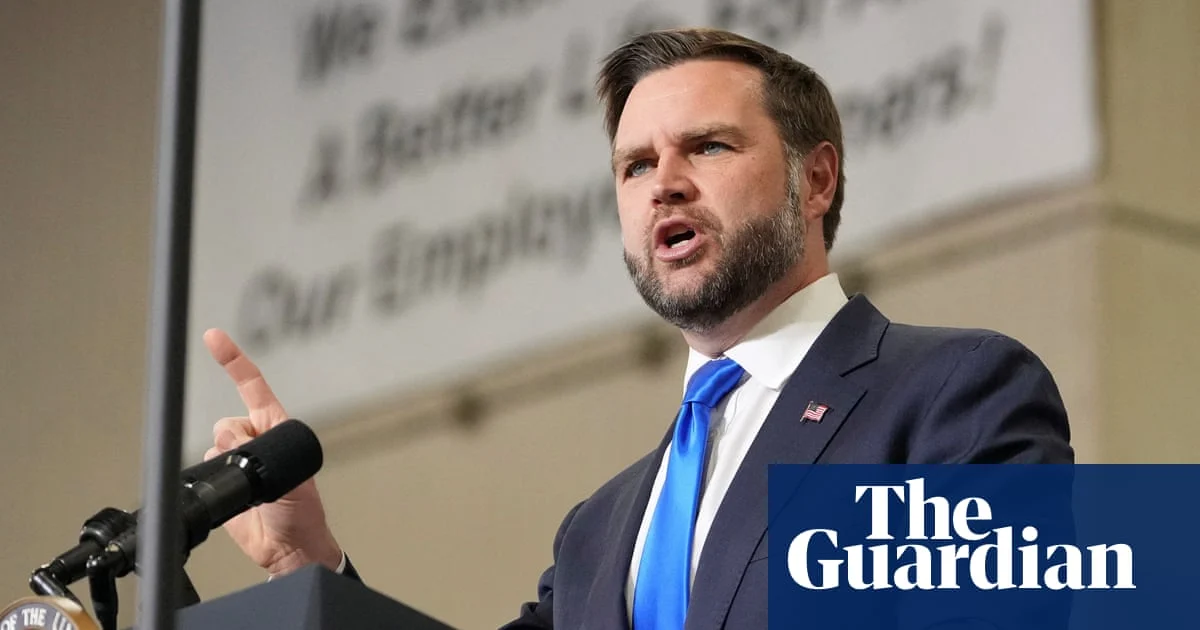
US Vice-President JD Vance publicly rejected calls for AI regulation, telling leading artificial intelligence developers to halt work if they believe their creations may turn dangerous. His remarks, aimed at Anthropic co-founder Dario Amodei, came amid growing debate over global AI oversight.
Vance argued that companies shouldn’t seek government intervention simply because they fear the consequences of their innovations. ‘If you’re gonna create Frankenstein, don’t come to the government and say we need regulation,’ he said, referencing concerns raised by some tech leaders about existential risks posed by advanced AI systems.
KEY FACTS
- US vice-president JD Vance dismissed calls for AI regulation.
- Vance told developers: ‘If you’re building Frankenstein, stop’.
- Remarks targeted Dario Amodei, co-founder of Anthropic.
- Amodei previously urged Washington DC to coordinate AI safety controls, including with China.
- Vance warned firms not to request regulation after developing risky systems.
Who Is Affected by This Exchange?
The exchange highlights a divide within the global AI development community. On one side are researchers and executives — like those at Anthropic — who advocate for proactive safety measures and international cooperation to govern frontier AI models. On the other side are policymakers like Vance, who argue that regulation stifles innovation and national competitiveness.
Vance’s stance aligns with broader trends in Washington, where some lawmakers prioritize maintaining US technological dominance over imposing restrictions that could slow progress. Meanwhile, advocates for AI regulation point to potential dangers such as misinformation, job displacement, and long-term threats to human autonomy. The tension reflects ongoing uncertainty about how rapidly governments should respond to private-sector advances in machine intelligence.
What Happens Next?
While Vance did not propose alternative frameworks for governing AI, his message signals resistance within the administration to external pressures for sweeping rules. Analysts expect continued friction between Congress and executive agencies as they weigh proposed legislation targeting high-risk AI applications. Internationally, discussions around harmonizing standards — particularly with rivals like China — remain uncertain given divergent approaches to technology governance.
For now, companies continue operating under patchwork state-level guidelines rather than unified federal policy. That status quo may persist unless new incidents or breakthroughs prompt faster legislative action. In the absence of clear direction, individual firms are left navigating ethical questions largely on their own.
What We Know — and What We Don’t
Verified by the source:
- JD Vance is the US vice-president.
- He directly addressed comments to Dario Amodei, co-founder of Anthropic.
- His statement included the phrase ‘If you’re building Frankenstein, stop’.
- He criticized requests for AI regulation following system development.
Still unconfirmed:
- The exact date and location of the remarks.
- Whether other officials support or oppose Vance’s view.
- Details about Amodei’s specific proposal for AI oversight.
- Any formal policy response from the White House or Congress.
Why It Matters
As artificial intelligence becomes more capable and widespread, decisions made by political leaders will shape how safely and equitably these tools integrate into society. Statements like Vance’s influence whether nations move toward coordinated controls or let market forces drive development. This balance affects everything from economic growth to national security, underscoring the importance of informed dialogue between technologists and policymakers.
What To Watch
Future speeches by JD Vance or other White House officials may clarify the administration’s official position on AI regulation. Congressional hearings on AI safety measures are also expected to resume soon, offering another opportunity to assess shifting attitudes toward oversight. For now, the debate remains open-ended, with no clear consensus emerging.