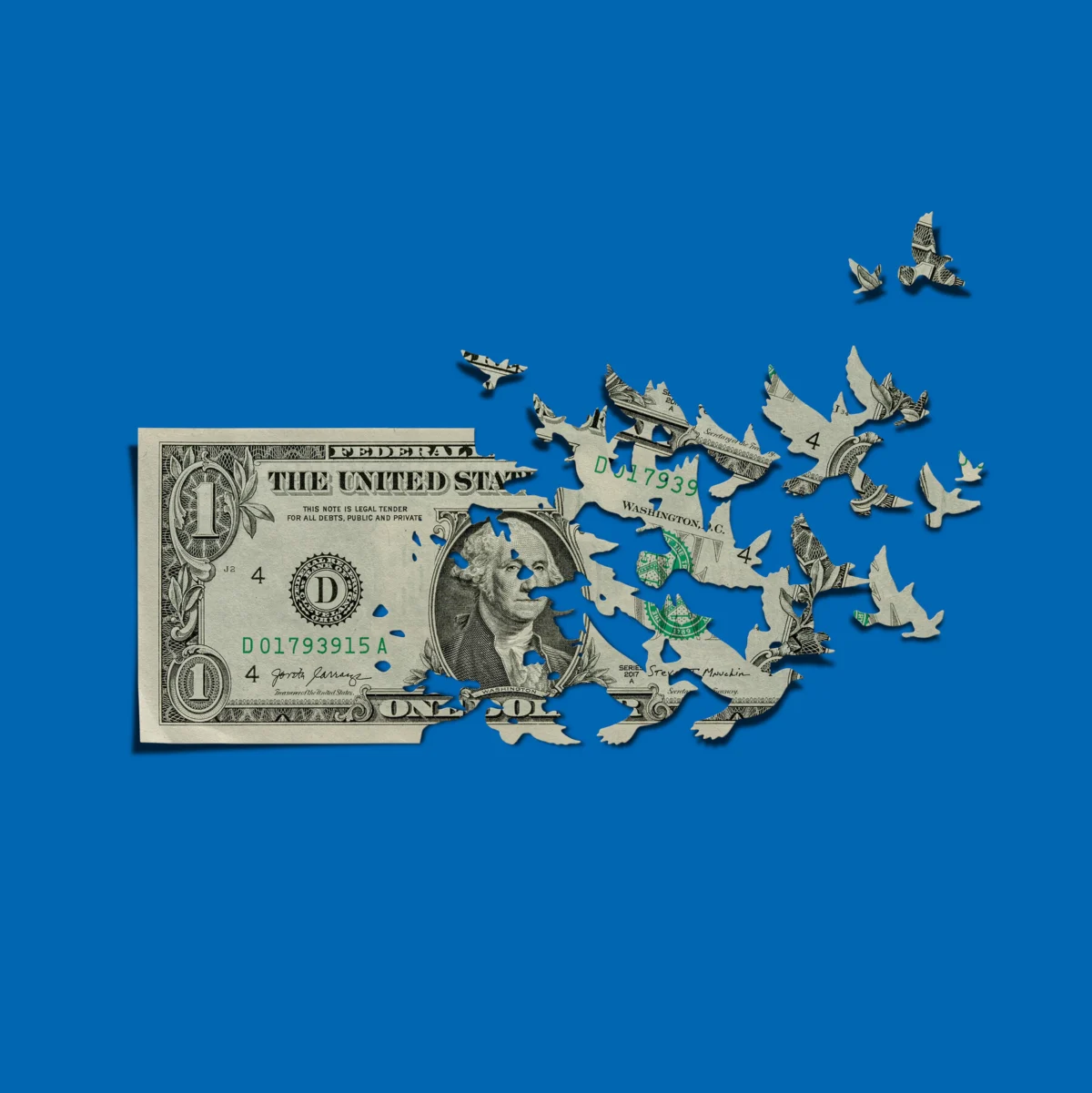
The World Economy Is Becoming Wary of the U.S., according to reporting that highlights growing concern over America’s U.S. economic stability as the Trump administration increases national debt and expands sanctions programs.
Global economic partners and institutions are increasingly questioning the reliability of U.S. economic leadership, marking a shift from decades of American dominance in international finance. This change in perception, if sustained, could reshape trade alliances, currency valuations, and investment strategies across continents as nations seek alternative arrangements.
KEY FACTS
- reporting notes growing global skepticism toward U.S. economic stability under the Trump administration.
- The Trump administration is increasing national debt while expanding the use of sanctions, per the analysis.
- International actors are reevaluating reliance on U.S. economic leadership, as described in the report.
- The shift reflects broader unease about America’s role in global finance and diplomacy.
The Trump Debt and Sanctions Expansion
The Trump administration’s fiscal approach has centered on significant increases to the national debt, according to reporting published . These increases are paired with a broader use of economic sanctions aimed at rival nations and entities. This dual strategy — spending more while pressuring others through sanctions — has created uncertainty among global investors and trading partners who rely on predictability in U.S. economic policy. The combination of rising debt and aggressive sanctions has complicated long-standing financial relationships between the U.S. and allied economies.
What happens next for global economic alliances?
As nations respond to shifting perceptions of U.S. economic stability, many are exploring new partnerships outside traditional Western frameworks. Countries across Asia, Africa, and Latin America are weighing alternatives to dollar-based transactions and are considering regional trade agreements that reduce dependence on U.S. financial systems. This recalibration is still unfolding, and experts are watching closely for signs of deeper realignments. The coming months may reveal whether current trends toward diversification become permanent or are reversed if U.S. policies stabilize.
Historical Context of U.S. Economic Leadership
For decades following World War II, the United States held a near-monopoly on global economic leadership, anchoring international institutions such as the International Monetary Fund and the World Bank. The dollar became the dominant reserve currency, and U.S. Treasury securities were considered the safest investment worldwide. However, repeated debates over debt ceilings, partisan gridlock, and increasingly unilateral foreign policies have gradually eroded some of that trust. The Trump administration’s approach marks another chapter in a broader trend of questioning whether U.S. economic dominance will endure indefinitely.
WHAT WE KNOW — AND WHAT WE DON’T
Verified by the source:
- The reporting attributes global wariness to Trump-era debt increases and sanctions policies.
- The source identifies a shift in perception regarding U.S. economic stability.
- The analysis was published on September 16, 2026.
Still unconfirmed:
- Specific debt figures or projected levels were not provided.
- No named officials or foreign governments were cited.
- Concrete examples of policy changes by other nations were omitted.
- No data on market movements or currency impacts were shared.
Why It Matters
The U.S. economy remains the world’s largest, and changes in global confidence can ripple through financial markets, affecting everything from mortgage rates to retirement portfolios. If other nations continue to diversify away from U.S.-centered systems, the consequences could reshape decades of established norms in international finance.
What To Watch
Investors and policymakers should monitor upcoming policy announcements from the White House and Federal Reserve, as well as statements from major trading partners regarding reserve currency usage. Officials have yet to comment publicly on the broader implications of the reported shifts.