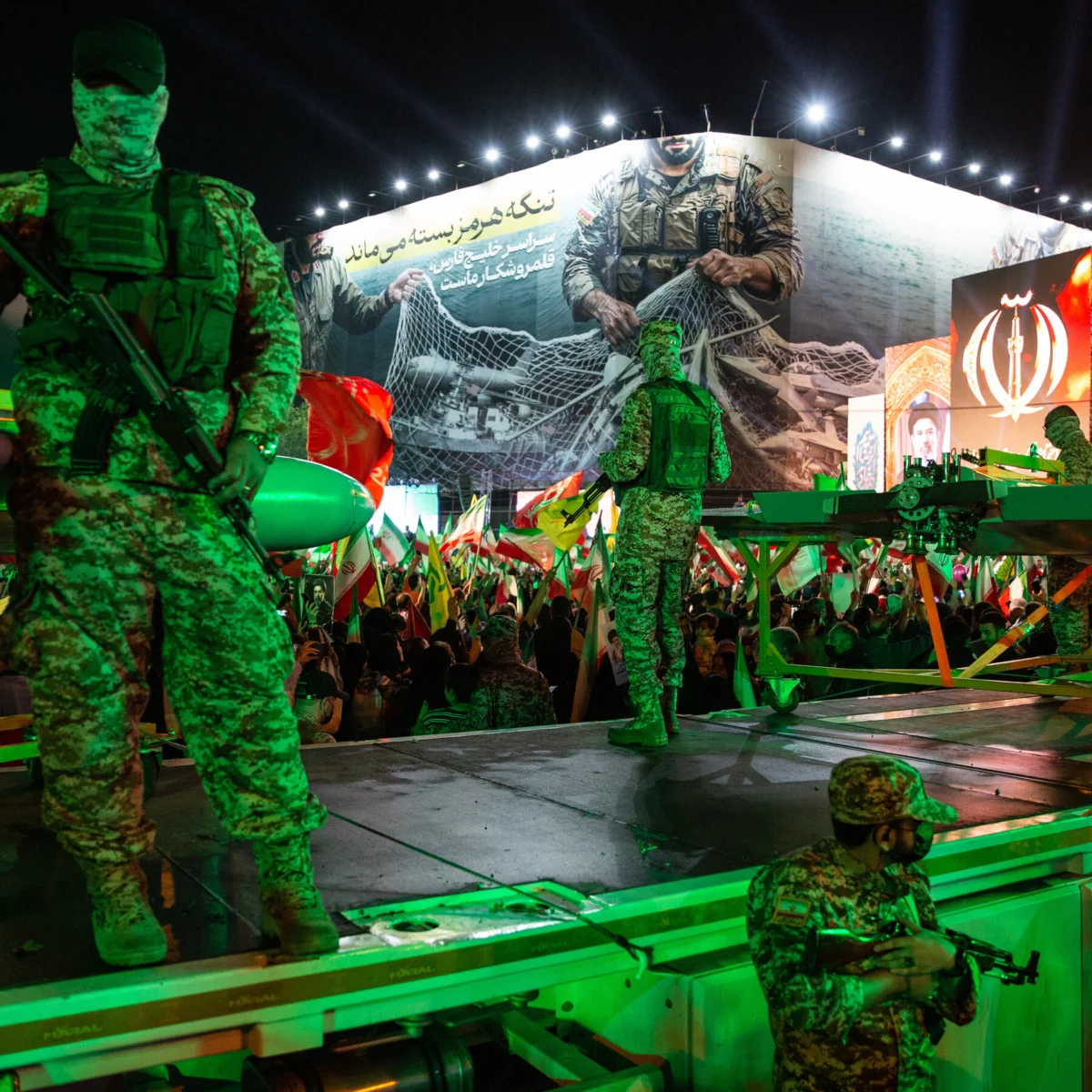
The September 11, 2001 attacks and their aftermath helped enable Iran’s regional influence to grow across the greater Middle East, according to a new analysis. The American invasion of Iraq in 2003 removed a key regional rival, creating a vacuum that allowed Iran to dominate its neighbor and expand influence throughout the region. This shift marked a turning point in Middle Eastern geopolitics, with Iran leveraging the changed landscape to strengthen its position.
Key Facts
- The American invasion of Iraq in 2003 paved the way for Tehran to dominate its neighbor.
- The invasion whetted Iran’s appetite to expand influence across the greater Middle East.
- The September 11 attacks directly contributed to conditions enabling Iran’s regional influence growth.
- Iran’s influence expanded through **gaining control over neighboring Iraq** following the 2003 invasion.
How Did We Get Here?
The chain of events began with the September 11, 2001 terrorist attacks on the United States. These attacks triggered the U.S.-led invasion of Afghanistan later that same year, targeting al-Qaeda and the Taliban regime harboring them. Nearly two years later, in March 2003, the Bush administration launched a second major military intervention in the region by invading Iraq.
The invasion was justified publicly on grounds including weapons of mass destruction and links to terrorism. However, Iraqi leader Saddam Hussein’s government was also seen as a regional power that counterbalanced Iranian influence. By removing Saddam Hussein’s secular Ba’athist regime, the invasion eliminated one of Iran’s most significant regional adversaries and created a strategic opening.
Prior to 2003, Iran and Iraq had fought an eight-year war from 1980 to 1988, leaving deep animosity between their governments. With the fall of Saddam Hussein and the rise of a Shia-majority government in post-invasion Iraq, Iran found itself with a friendly neighbor rather than a hostile one. This transformation fundamentally altered the balance of power in the region, giving Iran unprecedented leverage.
What Happens Next?
The consequences of the 2003 invasion continue to unfold today. Iran has used its enhanced regional position to build alliances with various Shia militias and political movements across Iraq, Syria, Lebanon, and Yemen. These developments have shaped ongoing conflicts and diplomatic negotiations throughout the greater Middle East, influencing everything from civil wars to international sanctions regimes.
Understanding how past interventions created current instability helps explain modern tensions between Iran and other regional actors including Saudi Arabia, Israel, and Turkey. The interconnected nature of these conflicts means that shifts in one country often reverberate across multiple nations, making this region among the most geopolitically complex in the world.
What We Know — And What We Don’t
Verified by the source:
- The American invasion of Iraq in 2003 enabled Iran to dominate its neighbor.
- The invasion increased Iran’s desire and capacity to expand regional influence.
- Events following September 11, 2001 set conditions leading to Iran’s expanded influence.
Still unconfirmed:
- Specific mechanisms used by Iran to achieve regional dominance after 2003.
- Exact extent and timeline of Iran’s influence expansion beyond general claims.
- Official U.S. government recognition or response to this regional power shift.
Why It Matters
This historical assessment provides crucial context for understanding contemporary tensions in the Middle East. From ongoing conflicts in Syria and Yemen to nuclear negotiations involving the Joint Comprehensive Plan of Action, the roots trace back decades. Recognizing these foundational moments helps policymakers and citizens alike understand why current regional strategies must account for long-standing dynamics rooted in earlier interventions.
What To Watch
Future developments in Iraq-Iran bilateral relations and broader Middle Eastern diplomatic initiatives will likely reflect continued consequences of the 2003 invasion. Monitoring official statements from both governments may provide further insight into how regional power balances evolve over time.