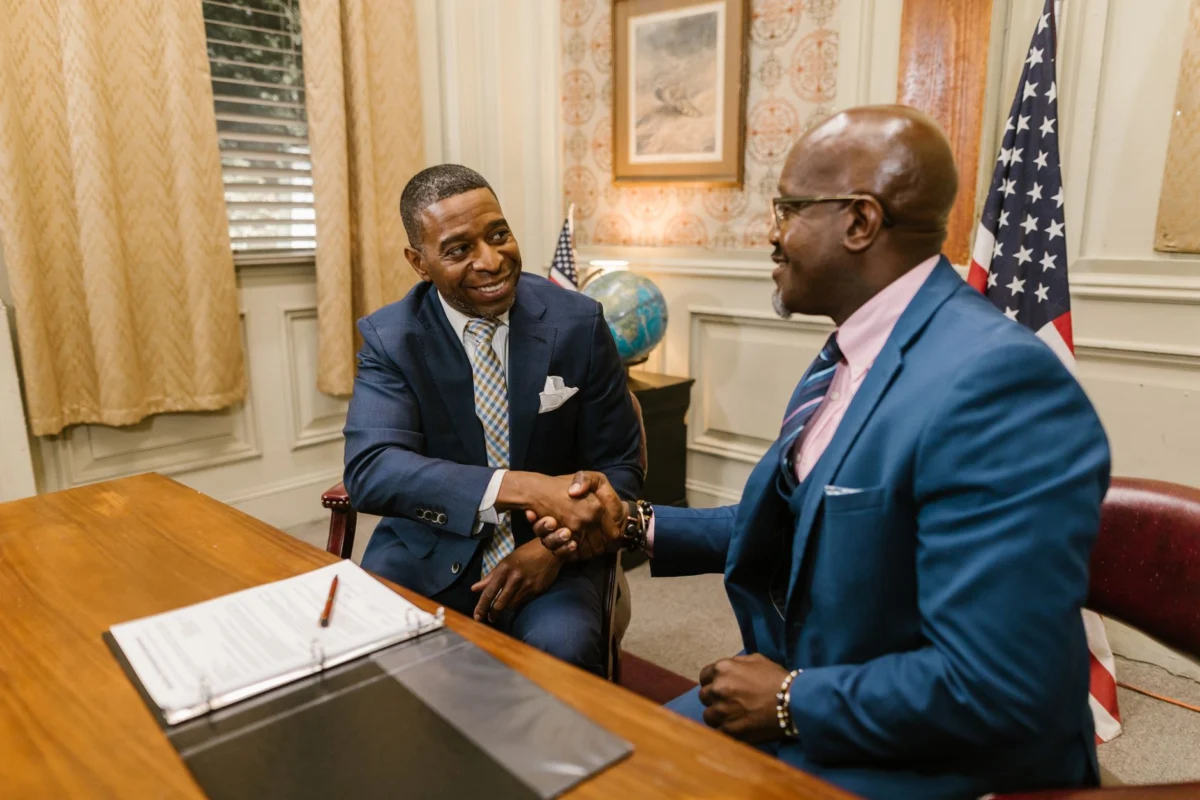
Canadian Prime Minister Mark Carney addressed European lawmakers Thursday, signaling openness to a historic shift in foreign policy by embracing tighter ties with the European Union. This occurred after E.U. officials floated what would be an unprecedented relationship, suggesting Canada could become the bloc’s first “associate member.” Carney’s remarks came amid transatlantic tensions, particularly after former U.S. President Donald Trump warned that deeper Canada-E.U. ties might be interpreted as a hostile act toward the United States.
The meeting underscored growing diplomatic momentum behind strengthening transatlantic links. Carney emphasized shared democratic values and the importance of aligning policies across borders, though no formal agreement was announced during the session.
KEY FACTS
- Carney addressed European lawmakers Thursday regarding closer relations with the E.U.
- E.U. officials suggested Canada could become the bloc’s first “associate member.”
- Trump warned that increased E.U.-Canada ties could amount to a “hostile act” against the U.S.
What happened at the meeting?
In his speech to European lawmakers, Carney laid out a vision for enhanced cooperation between Canada and the E.U., touching on trade, security, and climate commitments. While he did not specify timelines or next steps, his tone indicated readiness to explore new frameworks beyond traditional bilateral agreements. No decisions were finalized, but early signals suggest mutual interest in advancing the concept of associate membership — a status short of full accession but still offering significant integration benefits.
Associate membership typically involves participation in select policy areas such as single market regulations or defense coordination without requiring complete adherence to all EU laws. For Canada, this could mean expanded influence over regional rulemaking while maintaining sovereignty in other domains.
Why does Trump view it as a threat?
Donald Trump’s public warning reflects longstanding concerns about North American economic independence. He has repeatedly criticized efforts to redirect Canadian commerce toward Europe rather than the U.S., framing such moves as undermining American interests. His characterization of potential Canada-E.U. rapprochement as a “hostile act” aligns with his broader narrative that traditional allies must prioritize U.S. leadership globally. Whether Carney intends to provoke tension remains unclear, but the optics of pursuing alternative partnerships have fueled speculation about shifting geopolitical loyalties.
What We Know — and What We Don’t
Verified by the source:
- Canadian PM Mark Carney spoke to European lawmakers about strengthening ties with the E.U.
- E.U. officials proposed Canada as a possible “first associate member.”
- Donald Trump called deeper Canada-E.U. ties a potential “hostile act” against the U.S.
Still unconfirmed:
- No details released on what associate membership would entail for Canada specifically.
- It is unknown whether formal negotiations will begin following the address.
- Trump’s comments were reported indirectly; direct quotes or context remain unclear.
Why It Matters
This development touches on core questions shaping modern geopolitics: how middle powers navigate competing spheres of influence, and what price they pay for diversifying alliances. As global fractures widen, countries like Canada face mounting pressure to balance strategic autonomy with alliance stability.
What To Watch
Future statements from Ottawa and Brussels may clarify whether associate membership talks proceed formally, and if Washington responds with policy adjustments.