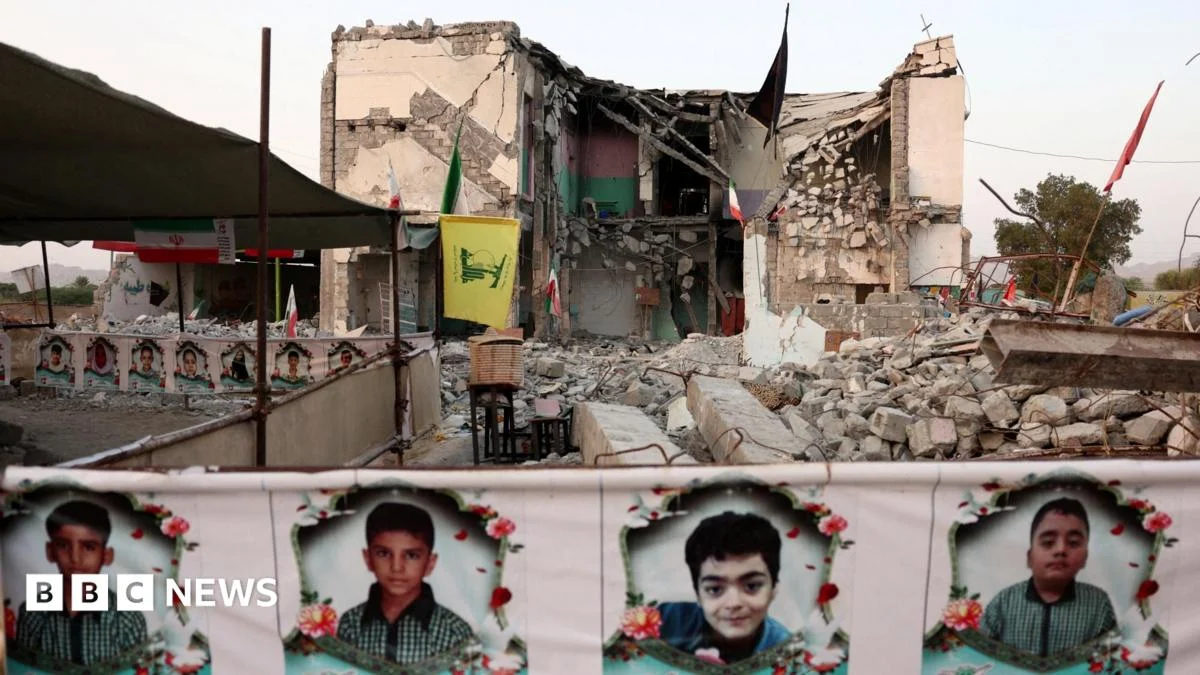
UN experts say there are grounds to believe the United States committed war crimes during strikes in Iran. The US has not acknowledged carrying out attacks on a primary school in Minab and a sports complex in Lamerd during February.
The allegations, reported by BBC News, center on casualties among civilians during the strikes. Without formal acknowledgment or comment from US officials, scrutiny of the incident relies entirely on the expert findings cited by the UN representatives.
Key Facts
- UN experts say grounds exist to believe US committed war crimes in Iran strikes.
- US has not acknowledged carrying out the February strikes.
- Attacks targeted a primary school in Minab and a sports complex in Lamerd.
- Strikes left civilians dead, prompting concern from UN monitors.
What Are UN Experts Saying?
UN experts invoked war crimes standards after reviewing reports of civilian deaths tied to US strikes in Iran. Their findings rely on available evidence, including casualty reports from local sources. Without access to classified intelligence or independent battlefield verification, the experts emphasized precautionary assessments. By framing the strikes within international humanitarian law, they signal concern over proportionality and distinction between combatants and non-combatants. Their statement does not assign personal blame but raises systemic questions about adherence to the laws of war. For now, their conclusions rest on documented impact rather than confirmed chain of command. This distinction matters because war crimes determinations require both actus reus and mens rea, neither independently verified here. Thus, their position reflects serious suspicion, not legal verdict.
Who Is Affected by These Strikes?
Civilians near the targeted sites in Minab and Lamerd bore the immediate consequences of the February attacks. Local families lost children and community members, amplifying grief in regions already strained by regional tensions. Because the US has not commented, those affected lack clarity about accountability or restitution. International humanitarian principles require parties to distinguish between military objectives and protected persons, especially in schools and recreational facilities. Experts say damage to a primary school heightens concern under protocols designed to safeguard education infrastructure. Sports complexes typically host gatherings of youth and adults, increasing potential for civilian harm. Without transparent reporting from the attacking force, affected communities face delays in receiving compensation or support. Humanitarian organizations often depend on official acknowledgment before delivering aid to strike zones. Therefore, silence from the US complicates relief efforts and prolongs trauma for survivors.
What Happens Next?
Observers expect continued scrutiny from UN monitoring bodies tasked with documenting potential violations. Without a formal US response, experts may escalate calls for investigations through international forums. Precedent shows that sustained pressure from multistakeholder coalitions can drive action even amid official silence. For example, past allegations led to referrals to the International Criminal Court when domestic remedies failed. However, prosecution requires political consensus, which remains divided across global powers. In the meantime, legal advisors debate whether precautionary censures carry enforceable weight. Affected nations may also pursue bilateral or multilateral channels for justice. Until then, public attention hinges on follow-up reporting from credible media and advocacy groups. Verification timelines vary widely depending on access, and access often depends on diplomatic willingness. Should new witness accounts emerge or satellite imagery confirm structural damage, momentum for formal inquiry could grow. Such developments would test the limits of existing international legal frameworks. Analysts caution against rushing judgment while emphasizing urgency for civilian protection. The coming weeks will reveal whether institutional inertia yields to sustained advocacy pressure. History suggests incremental progress often follows prolonged visibility, even without immediate closure.
What We Know — and What We Don’t
Verified by the source:
- UN experts claim grounds exist to suspect US war crimes in Iran strikes.
- US has not acknowledged conducting the February attacks.
- Strikes hit a primary school in Minab and a sports complex in Lamerd.
Still unconfirmed:
- Exact number of casualties or injured persons.
- Motivation, authorization, or command chain behind the strikes.
- Independent battlefield confirmation of damage or casualties.
- Official US response or investigation plans.
Why It Matters
Allegations involving war crimes touch foundational norms governing armed conflict. When powerful actors operate without acknowledgment, global trust in legal standards erodes. Accountability mechanisms depend on transparency, yet repeated silence undermines their credibility. Public awareness keeps pressure alive even amid diplomatic quiet. These cases shape how future conflicts unfold under international oversight. General readers benefit because consistent norms reduce civilian exposure to warfare risks. Without enforcement, however, laws risk becoming aspirational rather than protective. This dynamic underscores why each uninvestigated strike matters beyond its immediate locale.
What To Watch
Analysts await any formal response from the US or further statements from UN monitors. Updates are expected only if additional evidence becomes available.
Browse war-geopolitics coverage and politics developments for related context.