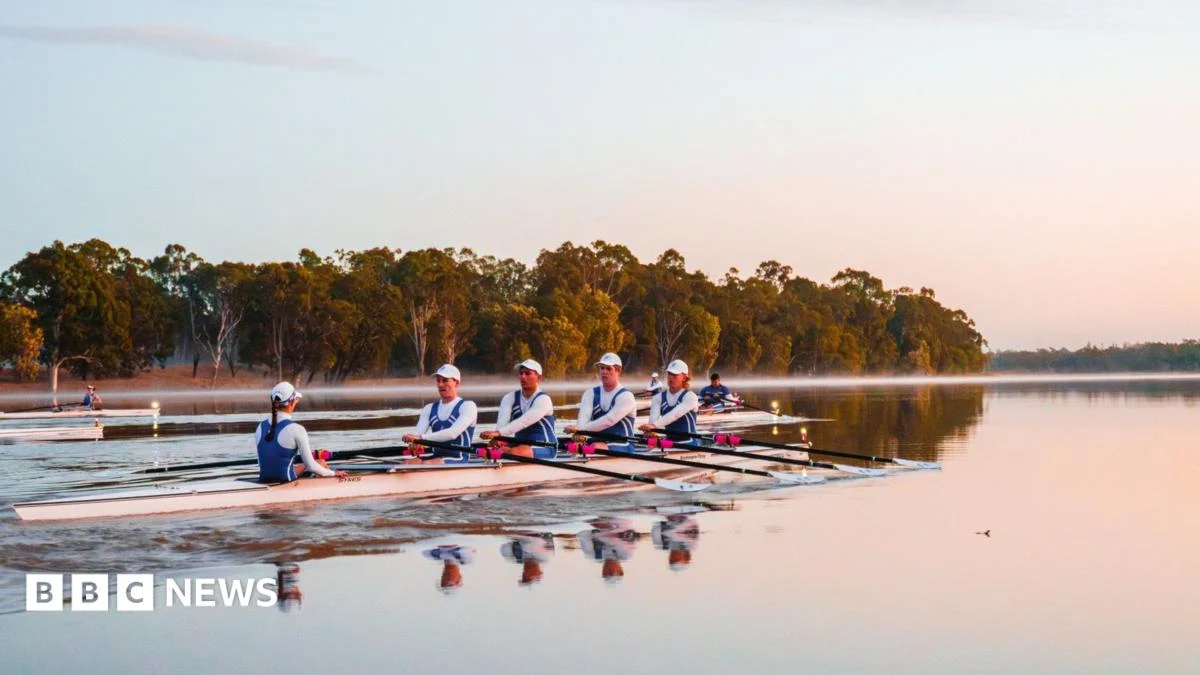
Queensland’s Fitzroy River has been selected as part of the 2032 Olympics in Australia, despite concerns over the course’s suitability and its population of crocodiles. The river is reportedly home to around 500 crocodiles, which raises questions about safety and environmental impact. While water quality and infrastructure remain under scrutiny, the presence of crocodiles adds another layer of complexity to the event planning.
The decision to use the Fitzroy River underscores the unique challenges host cities face when balancing ambitious sporting events with local ecosystems and safety protocols. Organizers must consider both athlete welfare and environmental conservation in a landscape shaped by nature.
KEY FACTS
- The 2032 Olympics will feature events on Queensland’s Fitzroy River.
- The river is said to contain approximately 500 crocodiles.
- Concerns have been raised about the river course itself, independent of its wildlife.
- BBC News reported these details regarding the Olympic venue selection.
Why the River Was Chosen
The Australian government and Olympic organizers selected the Fitzroy River as part of efforts to showcase regional Queensland during the 2032 Games. The choice reflects a broader trend toward integrating natural landscapes into major international competitions. However, the presence of large wildlife populations — including crocodiles — poses logistical hurdles that organizers must navigate carefully.
What Happens Next?
Event planners are expected to conduct further studies on water conditions and animal behavior before final decisions are made on competition formats. Environmental experts may be consulted to ensure that any activities along the river do not disturb native species or compromise public safety. Meanwhile, local communities await clarity on how the Games might affect tourism and daily life in the area.
Broader Implications for Host Cities
Selecting unconventional venues like rivers introduces new risks and responsibilities for hosts of global events. Past Olympics have seen debates over pollution, displacement, and cost overruns. In this case, the Fitzroy River Olympics dilemma highlights tensions between celebration and stewardship in ecologically sensitive regions.
WHAT WE KNOW — and WHAT WE DON’T
Verified by the source:
- The Fitzroy River in Queensland was chosen for the 2032 Olympics.
- There are concerns about the course and its inhabitants.
- Approximately 500 crocodiles live in the river.
- BBC News provided this information.
Still unconfirmed:
- Exact number of crocodiles in the river.
- Specific types of Olympic events planned for the river.
- Timeline for environmental or safety assessments.
- Official responses from Olympic or government officials.
WHY IT MATTERS
Major sporting events often reshape environments and policies. When an Olympic venue includes dangerous wildlife, it forces conversations about risk management, ethics, and sustainability. These decisions influence not only athletes and spectators but also future host nations navigating similar landscapes.
WHAT TO WATCH
Updates from Olympic officials and environmental agencies are likely to clarify how the Fitzroy River Olympics will proceed safely and responsibly.