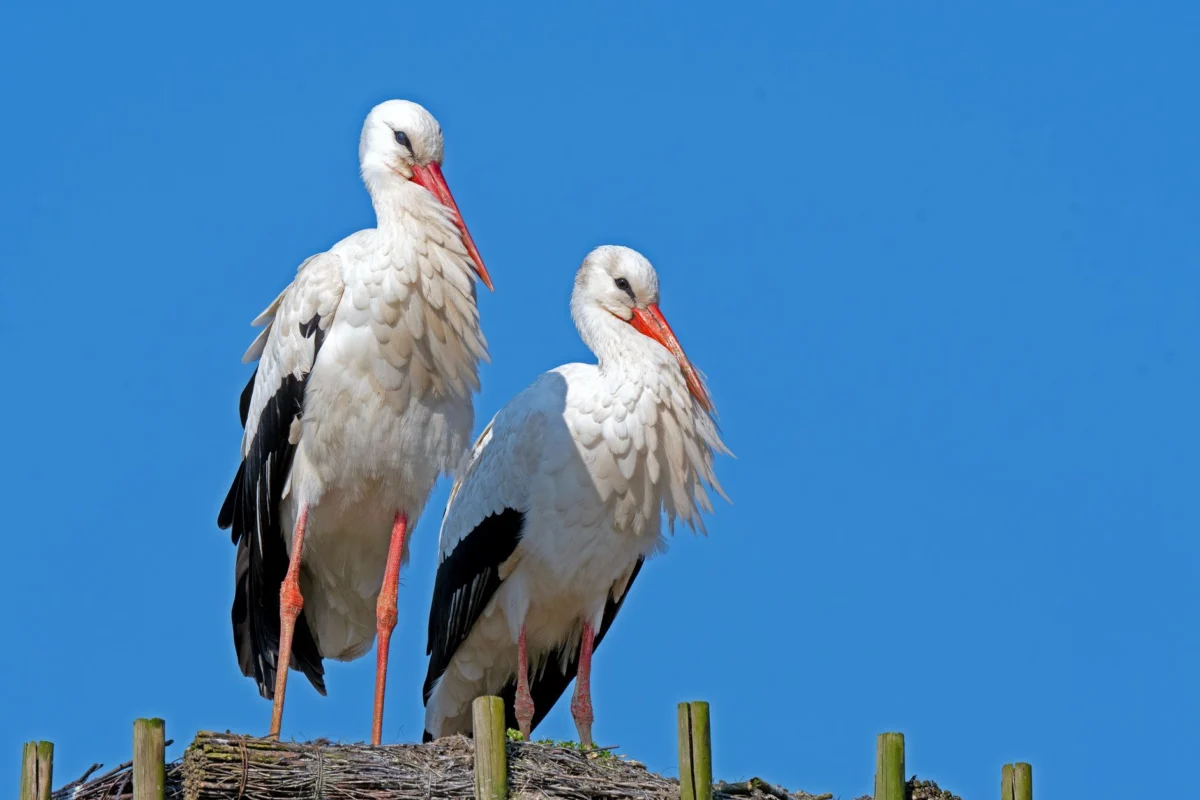
A conservation effort to establish a breeding colony of white storks in southern England has ignited a debate about whether these birds are truly returning to a place they once called home or whether their arrival rewrites ecological history instead.
The initiative, aimed at restoring a species absent from parts of Britain for centuries, has drawn both praise and scrutiny from conservationists and historians alike. Supporters argue the birds represent a hopeful recovery of lost natural heritage, while critics question whether modern reintroduction programs can ever mirror ancient ecosystems.
Key Facts
- Conservationists set up a colony of white storks in southern England.
- The storks’ presence has sparked a debate over whether they belong there.
- The discussion centers on whether their return restores or rewrites history.
How Did We Get Here?
White storks were once common across much of Europe, including parts of Britain, though their populations declined sharply centuries ago due to habitat loss and human activity. By the modern era, the species had vanished from many traditional nesting sites, leaving behind only historical records and folklore. In recent decades, conservation groups have sought to reintroduce native or historic species as part of broader rewilding efforts, hoping to restore ecological balance and public engagement with nature.
The project in southern England reflects a growing trend in European conservation: using managed reintroductions to rebuild disappearing populations. These programs often rely on careful monitoring and community involvement, yet they also raise complex questions about authenticity and intervention. Is bringing back a species the same as restoring an ecosystem, or does it create something new altogether?
What Happens Next?
The ongoing debate will likely shape future policy decisions regarding reintroductions in the UK and beyond. Scientists and advocates continue to monitor the storks’ adaptation to local conditions, including nesting success and interactions with native wildlife. Meanwhile, public interest in the birds has grown, with visitors travelling to observe the colony and engage with the conservation story firsthand.
As the population potentially expands, discussions about long-term stewardship and ecological impact may intensify. Authorities might face pressure to protect the birds formally, while researchers gather data on their role in regional biodiversity. The outcome could influence how other historic species are approached in restoration initiatives across Europe.
What We Know — and What We Don’t
Verified by the source:
- A colony of white storks was established in southern England by conservationists.
- Their presence has triggered a debate about their belonging.
- The core tension is between historical restoration and historical rewriting.
Still unconfirmed:
- Exact founding year of the colony.
- Number of birds involved or breeding success rate.
- Specific locations within southern England.
Why It Matters
This story reflects a broader global conversation about conservation strategies in an age of rapid environmental change. As nations grapple with biodiversity loss, reintroductions offer symbolic hope but also ethical dilemmas about what ecosystems should look like. The public response to the white storks demonstrates how deeply people care about nature’s return — and how carefully those returns must be framed and managed.
What To Watch
The next phase involves tracking whether the colony becomes self-sustaining, and how policymakers respond to the ongoing debate.