Lede:
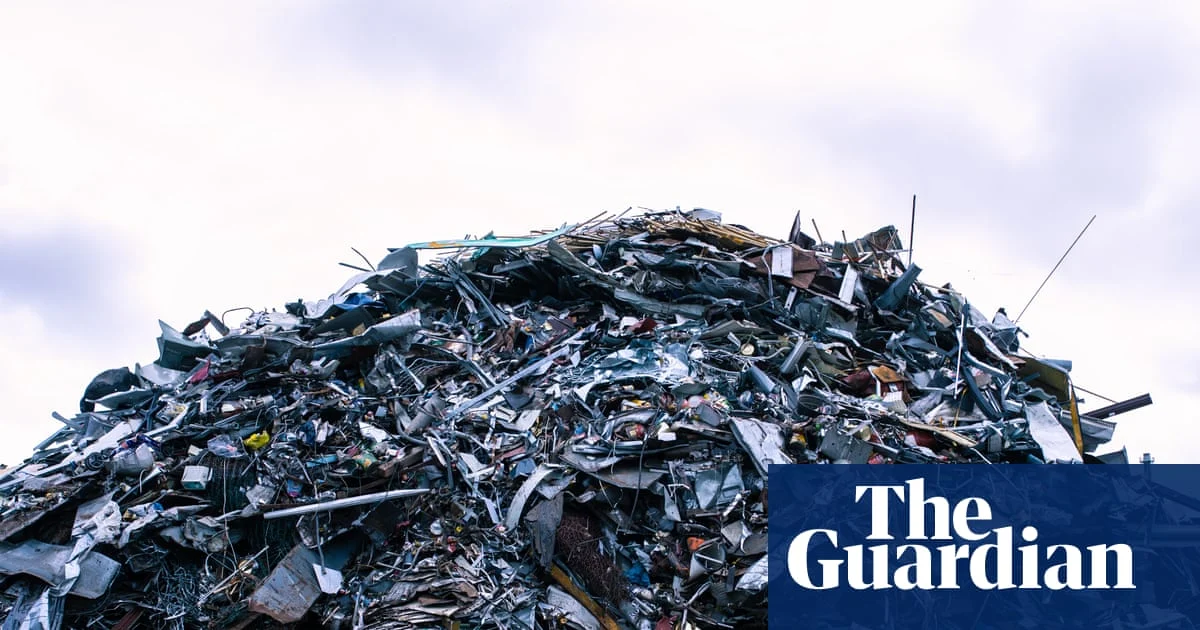
A global rush to build datacenters for artificial intelligence is projected to triple annual e-waste generation over the next 25 years, according to a new report by the non-profit Basel Action Network (BAN). The electronic trash created by AI infrastructure could fill enough shipping containers to encircle the Earth six times, yet no comprehensive plan exists to manage the toxic waste.
The report, covered by The Guardian, warns that discarded electronics from datacenter construction and decommissioning typically contain hazardous substances including lead, mercury, cadmium, and forever chemicals. These materials pose serious environmental and health risks if not properly handled, while also containing valuable metals that are challenging to reclaim at scale.
KEY FACTS
- The global push to build datacenters for AI could triple annual e-waste in 25 years.
- The discarded electronics may fill shipping containers encircling Earth six times.
- The report was authored by the non-profit Basel Action Network (BAN).
- E-waste commonly includes toxins such as lead, mercury, cadmium, and forever chemicals.
- Valuable metals in e-waste are noted as difficult to reclaim effectively.
What happens to all this e-waste?
The report highlights a looming crisis in managing the sheer volume of electronic waste expected from the AI-driven datacenter boom. Without established frameworks for recycling and disposal, the accumulation of toxic components presents long-term environmental degradation risks.
Electronic waste contains both harmful substances and recoverable resources. However, current reclamation technologies struggle to process older or densely packed components efficiently. This imbalance between production and disposal capacity threatens ecosystems and public health, particularly in regions lacking stringent regulatory oversight.
Why is there no plan for this waste?
According to the report, despite the rapid expansion of datacenter infrastructure supporting AI development, coordinated strategies for handling future e-waste remain absent.
The absence of proactive waste management policies raises concerns among environmental advocates who argue that the consequences will fall disproportionately on vulnerable communities. These populations often bear the brunt of pollution from informal recycling operations or inadequate landfill practices.
What We Know — and What We Don’t
Verified by the source:
- A report by BAN projects a tripling of annual e-waste due to AI-related datacenter growth.
- The projected volume could fill shipping containers circling the Earth six times.
- Toxic elements like lead, mercury, cadmium, and forever chemicals are present in e-waste.
Still unconfirmed:
- Specific timelines for when the tripling of e-waste will occur.
- Geographic regions most vulnerable to e-waste impacts.
- Identities of policymakers responsible for addressing the issue.
Why It Matters
The unchecked growth of e-waste generation linked to AI expansion underscores the urgent need for sustainable technology practices. As societies increasingly rely on data-intensive computing, balancing innovation with environmental stewardship becomes critical to preventing irreversible ecological damage and safeguarding human health.
What To Watch
Governments and international bodies may introduce regulations governing e-waste from datacenters in response to growing scrutiny. Monitoring policy developments and technological advances in recycling could reveal whether effective solutions emerge ahead of the projected surge.
Meta description: Annual e-waste linked to AI datacenters may triple in 25 years, filling containers circling Earth six times, per Basel Action Network report.