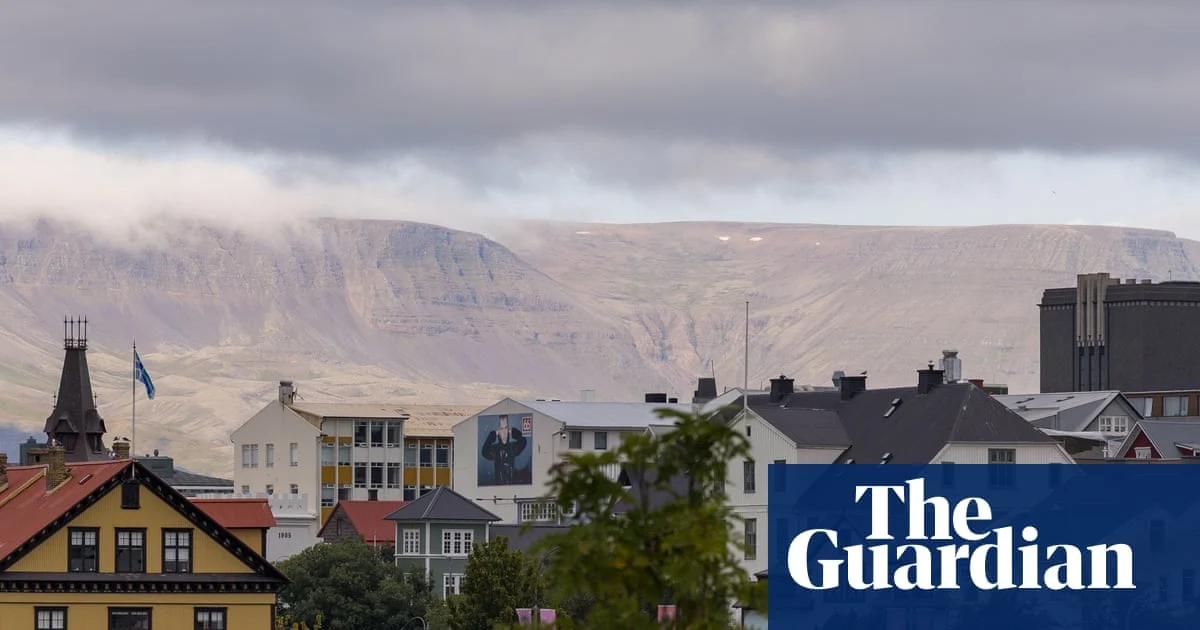
Iceland is holding a crucial referendum on whether to move closer to the European Union, with sovereignty, farming, and fishing dominating the national debate. The vote, described as knife-edge, cuts across traditional political lines, reflecting deep divisions over the country’s future relationship with Brussels. The stakes are high for Icelandic farmers like Davíð Clausen Pétursson, who sees both opportunities and risks in EU integration.
The referendum comes after geopolitical shifts, including reported threats from the Trump administration towards Greenland, which may have influenced Iceland’s reassessment of its position. Meanwhile, Icelandic farmers have recently seen improved prices for meat and milk, making the decision even more contentious.
KEY FACTS
- Iceland is holding a tight referendum on closer ties with the European Union.
- The debate centers on sovereignty, farming, and fishing interests.
- Farmers have recently seen higher prices for meat and milk.
- The vote is politically divisive, crossing traditional party lines.
- The referendum follows geopolitical uncertainties, including tensions involving Greenland.
Why is this vote so contentious?
The referendum is particularly polarizing because it forces Iceland to weigh economic benefits against concerns over national sovereignty. Farmers, who have recently enjoyed better market conditions, fear EU regulations could undermine their progress. Conversely, proponents argue that closer EU ties could provide stability amid global uncertainties.
What are the key issues at stake?
The debate hinges on Iceland’s control over its fishing and agricultural sectors. Fishing, a cornerstone of the economy, could face quotas under EU membership. Similarly, farmers worry about competition from larger European markets. At the same time, EU membership could offer greater market access and financial support for rural industries.
WHAT WE KNOW — AND WHAT WE DON’T
Verified by the source:
- The referendum is currently taking place.
- Farming and fishing are central to the debate.
- The vote is tightly contested.
Still unconfirmed:
- How the Trump administration’s Greenland policy directly influenced Iceland.
- Exact polling data or projections on the referendum outcome.
- Specific EU regulations that would most impact Icelandic farmers.
WHY IT MATTERS
The referendum could redefine Iceland’s economic and political future, affecting its trade relationships and domestic industries. The outcome may also signal broader trends in European integration, particularly for smaller nations wary of losing autonomy.
WHAT TO WATCH
The referendum results will determine Iceland’s next steps. If the vote favors closer EU ties, negotiations on accession terms will likely follow. If rejected, Iceland may pursue alternative trade agreements to safeguard its agricultural and fishing sectors.