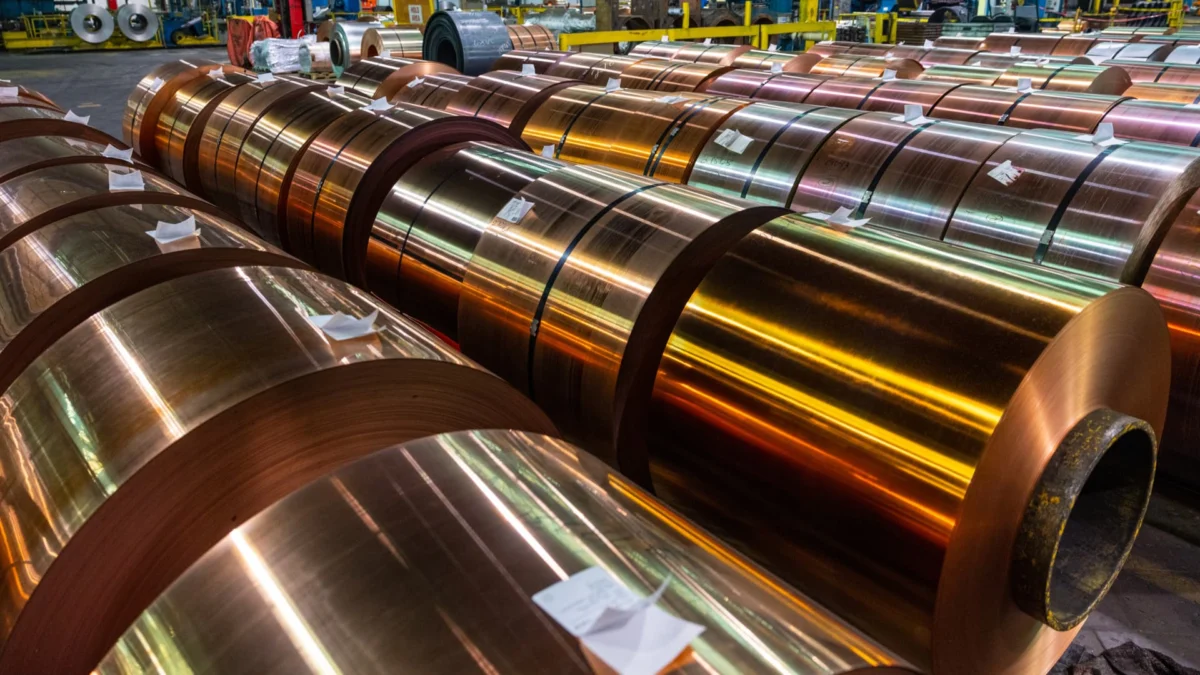
Copper prices are outshining gold this year, rising 15.8% in 2026 as investors point to a mix of demand, supply and policy factors. The rally is being driven by artificial intelligence spending, power grid construction, national security needs and tariff-related U.S. stockpiling, according to US Top News and Analysis.
Investors say the upward trend can survive short-term corrections linked to AI investment cycles, suggesting copper prices may remain resilient even if artificial intelligence demand fluctuates.
Key Facts
- Copper prices are up 15.8% in 2026.
- Investors cite AI, grid and national security demand as drivers.
- Tight supply is supporting the rally, per US Top News and Analysis.
- Tariff-driven U.S. stockpiles are also contributing to momentum.
- The rally is expected to survive an AI correction, investors say.
Why copper prices matter now
Copper is often called ‘Dr. Copper’ because economists watch its price movements as a barometer of global economic health. A sustained rise typically signals industrial activity and infrastructure investment are expanding. The 15.8% gain in 2026 reflects both cyclical and structural shifts, with demand coming from sectors tied to clean energy transitions and digital infrastructure. At the same time, supply constraints and trade policies are amplifying price movements, making copper prices a focal point for commodity watchers and portfolio managers alike.
What happens next for copper prices?
Investors believe copper prices can weather volatility tied to artificial intelligence spending, which has been a major demand catalyst. If AI investment slows or shifts, the metal’s performance may depend more heavily on grid modernization and national security programs. Tariff policies affecting U.S. stockpiles also play a role, as they influence domestic purchasing patterns and inventory levels. Analysts are watching whether supply can keep pace with evolving demand as 2026 unfolds.
How did we get here?
The rally in copper prices builds on years of underinvestment in mining capacity and increasing calls for energy independence worldwide. Clean energy projects require significant copper inputs for wiring, transformers and storage systems, creating consistent long-term demand. National security concerns have prompted governments to secure critical mineral supplies, further tightening markets. Meanwhile, trade tensions and tariff policies have led to strategic stockpiling, adding near-term price pressure. These overlapping forces have aligned to lift copper prices above gold’s performance this year.
What We Know — and What We Don’t
Verified by the source:
- Copper prices rose 15.8% in 2026.
- Investors link the rally to AI, grid and national security demand.
- Supply tightness is cited as a supporting factor.
- Tariff-driven U.S. stockpiles are mentioned as part of the rally.
- Investors say the rally can survive an AI correction.
Still unconfirmed:
- Exact timeline or magnitude of potential AI-related correction.
- Specific companies or countries driving U.S. stockpiling.
- Detailed breakdown of investment flows into copper markets.
- Whether price gains will continue beyond 2026.
- No official statements from government agencies on tariff impacts.
Why it matters
Copper prices influence everything from construction costs to electric vehicle production and renewable energy deployment. When copper outperforms traditional safe-haven assets like gold, it often signals investor confidence in economic growth and industrial demand. For everyday readers, this can mean higher material costs for home improvements, electronics and clean energy installations. Broader implications include shifts in investment strategies and potential policy responses as governments balance energy security with affordability concerns. Tracking copper prices offers a window into the health of global manufacturing and infrastructure trends.
What to watch
Future developments in AI spending, clean energy policy and trade regulations could reshape the trajectory of copper prices. Investors will likely monitor U.S. stockpile reports and mining output data closely through the rest of 2026.