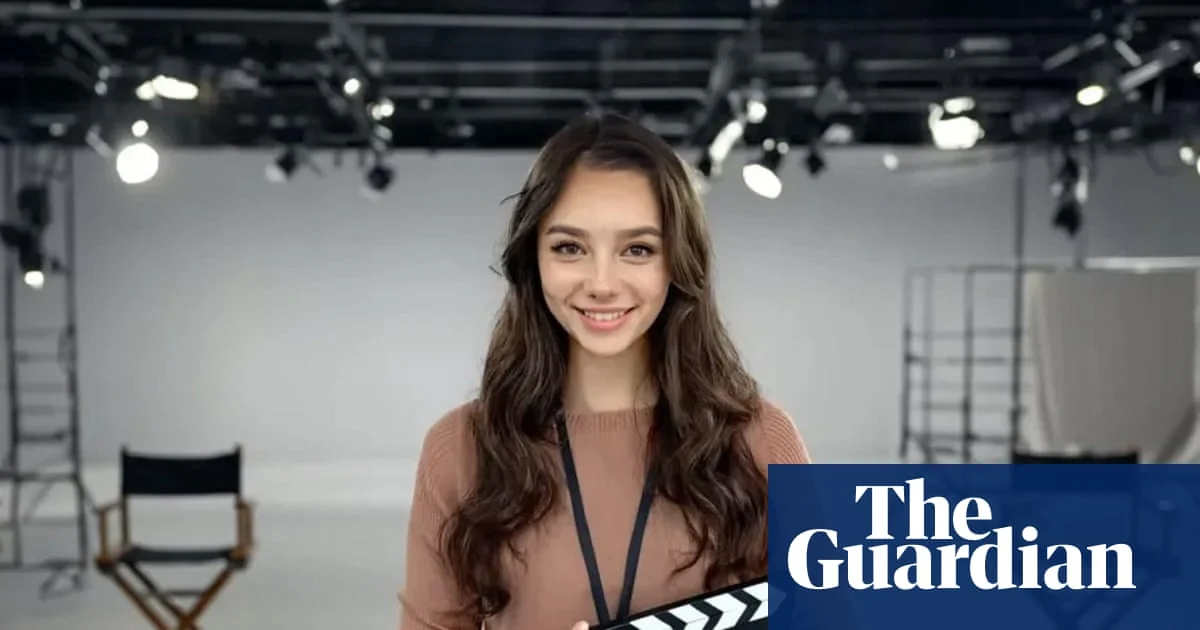
An AI-created version of Val Kilmer appears in the new western As Deep as the Grave, while synthetic performer Tilly Norwood prepares for her feature debut, highlighting growing uncertainty over whether AI actors can rival real ones.
Experts remain divided on how soon AI actors might achieve mainstream acceptance. Some believe adoption is still far off, while others think it is just around the corner. The controversy intensified after director Coerte Voorhees used an AI-generated likeness of Val Kilmer in his latest film, approved by the actor’s estate but met with concern over the technology’s implications.
KEY FACTS
- AI actors are featured in the new western As Deep as the Grave.
- A digital recreation of Val Kilmer appears in the film.
- The Kilmer estate approved the AI recreation.
- Tilly Norwood is a synthetic performer preparing for her feature debut.
- Experts are split on whether AI actors will see mainstream adoption soon.
The Story: What happens next?
Although the AI version of Val Kilmer in As Deep as the Grave was technically approved by his estate, early footage suggests technical shortcomings. The digital double looks like a young Kilmer but moves stiffly and lacks the actor’s signature voice and presence. Viewers and critics have described it as unsettling—a robot version of the star dropped into a 1920s western setting.
The director, Coerte Voorhees, reportedly knew exactly what he was doing when incorporating the AI-generated likeness. However, the result has sparked debate over whether AI actors are ready to replace human performers in major productions. While the estate cited Kilmer’s past enthusiasm for new technology that expands storytelling, skeptics argue that this particular attempt falls short of capturing his essence.
Who is affected by AI actors?
Beyond Kilmer, the film industry faces broader questions as more synthetic performers like Tilly Norwood enter development pipelines. Her upcoming feature debut signals a shift toward digitally created talent, potentially reshaping casting decisions and employment opportunities for real actors.
Industry professionals are grappling with both possibilities and risks. Supporters say AI actors offer creative flexibility and cost savings, while critics warn of job displacement and ethical dilemmas around consent and legacy use. The divide reflects deeper tensions about how quickly—and how safely—the technology should advance.
How did we get here?
Advances in machine learning and visual effects have made it possible to reconstruct faces, mimic voices, and animate characters using only data. These tools now enable filmmakers to bring back deceased or unavailable actors, or invent entirely fictional ones. As studios experiment with AI actors, legal and labor frameworks lag behind innovation.
This new frontier invites scrutiny from unions, lawmakers, and audiences alike. For now, headlines center on whether audiences will embrace artificial talent or reject it as uncanny. Meanwhile, films like As Deep as the Grave serve as case studies testing public reaction and technological readiness.
WHAT WE KNOW — AND WHAT WE DON’T
Verified by the source:
- AI actors appear in As Deep as the Grave.
- The Kilmer estate approved the AI recreation.
- Tilly Norwood is a synthetic performer set for her debut.
- Experts disagree on timing of mainstream adoption.
Still unconfirmed:
- How widely AI actors will be adopted across Hollywood.
- Whether current AI portrayals match human quality.
- Legal and union responses to synthetic performers.
WHY IT MATTERS
The rise of AI actors threatens to disrupt Hollywood’s labor model, where human performers dominate screen roles. As technology evolves, the line between real and synthetic performers blurs, challenging norms around consent, compensation, and creativity in entertainment.
WHAT TO WATCH
Watch for further films featuring AI actors and any policy changes addressing their use in cinema.