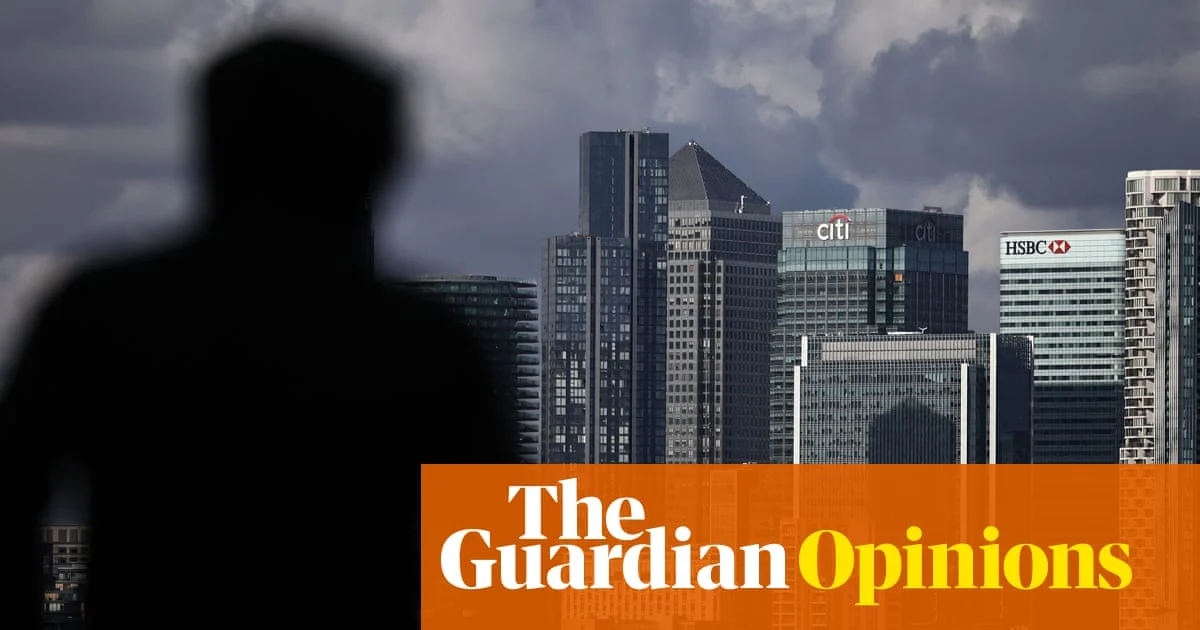
A modest increase in bank taxes is not the end of the world for lenders, according to analysis from Business | The Guardian.
The article argues that as long as policymakers avoid excessive increases, a small adjustment to surcharges on banks will not seriously undermine the flow of capital in the economy.
Banks often argue that higher taxes on their operations amount to taxing national growth. The reasoning is straightforward: increased costs for lenders can lead to lower interest rates on deposits and higher borrowing costs for loans. Over time, this could reduce access to credit and slow economic activity.
In theory, a chancellor aiming to support economic growth would seek to minimize capital costs whenever possible. However, real-world politics rarely align with textbook ideals.
Key Facts
- John Healey is expected to raise bank taxes in the upcoming budget.
- Raising bank taxes may reduce interest on deposits and increase loan costs, per banking arguments.
- A small increase in bank taxes is unlikely to severely disrupt capital flows.
- Healey faces pressure to meet fiscal rules while balancing competing demands from the business lobby.
The Story
What happens next?
The Chancellor of the Exchequer, John Healey, is expected to announce an increase in bank taxes in the upcoming budget, as reported by Business | The Guardian. This move is seen as part of broader efforts to adhere to fiscal discipline while raising revenue from the financial sector.
While banks typically warn that additional taxation harms economic growth, the article suggests that moderate increases pose limited risk. The key concern is avoiding drastic hikes that could tighten credit availability or dampen lending activity across the economy.
Governments frequently turn to the financial sector during periods of fiscal constraint. Bank taxes, including levies on liabilities or profits, are considered relatively easy to implement and can generate substantial income without directly impacting households.
Who is affected?
Banks, depositors, and borrowers stand to feel the impact of any changes to bank taxation. However, the overall effect depends heavily on how large the increase is and whether institutions pass on additional costs.
The article notes that within the business lobby, there are diverse opinions beyond just banks. This implies that other industries may also weigh in on fiscal decisions, adding complexity to policy formation.
Historical precedent shows that major reforms in banking regulation or tax policy often face strong pushback. Yet incremental adjustments tend to encounter less resistance and fewer unintended consequences.
How did we get here?
In recent years, governments have sought ways to fund public spending amid tight budgets. Taxing banks has emerged as a popular option due to their profitability and systemic importance to the economy.
The argument against such measures centers around the idea that burdening banks ultimately affects consumers through reduced deposit returns and pricier loans. But supporters claim these effects are exaggerated when hikes remain modest.
This tension reflects deeper debates about fairness, efficiency, and economic stewardship in modern governance.
What We Know — and What We Don’t
Verified by the source:
- John Healey plans to raise bank taxes in the next budget.
- Higher bank taxes may lower deposit interest and raise loan costs.
- A modest increase in bank taxes is unlikely to harm capital flows significantly.
Still unconfirmed:
- The exact size of the proposed bank tax increase.
- Official responses or statements from banks or Treasury officials.
- Detailed breakdowns of alternative funding strategies under consideration.
Bank taxes influence savings, investment, and consumer spending — making them a focal point for fiscal policymaking and economic forecasting efforts.
Watch for the Chancellor’s budget announcement, which will clarify the scale of the planned bank tax changes and reveal how they fit into wider fiscal planning goals.