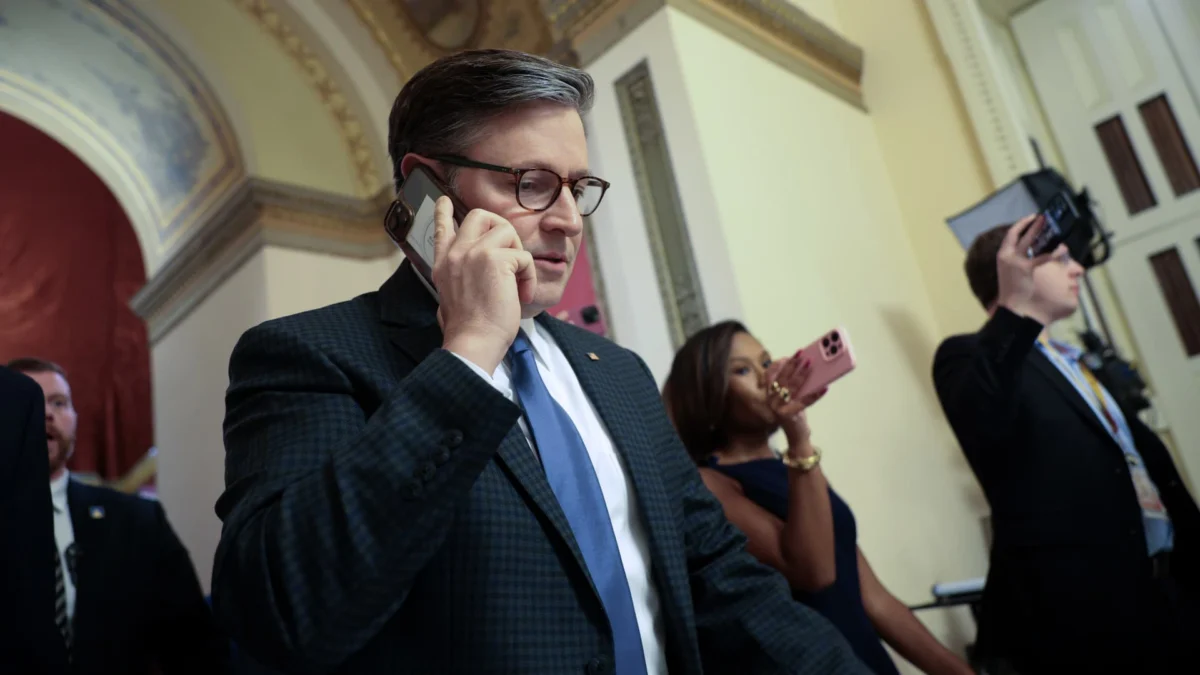
As Congress adjourns for the campaign season, the urgent push for AI regulation from leading artificial intelligence companies has stalled on Capitol Hill. The urgency expressed by Anthropic, OpenAI, and xAI has not translated into legislative action, raising questions about the pace of oversight for rapidly advancing technologies.
The House is heading home for the campaign period, effectively pausing legislative momentum on AI regulation. While major AI developers have publicly called for urgent regulatory frameworks, lawmakers have not moved forward with corresponding measures. This disconnect highlights the gap between industry requests and congressional response, leaving policy development uncertain for the remainder of the session.
KEY FACTS
- The House has left Capitol Hill to return home for the campaign season.
- Anthropic, OpenAI, and xAI have sought urgent regulation of AI technologies.
- Congressional action on AI regulation has not matched the urgency requested by developers.
The Story
What happened to AI regulation plans?
Congress departed Washington without advancing AI regulation legislation, despite public appeals from leading AI developers. The House recess for the campaign season has effectively halted progress on proposed oversight measures, leaving key policy questions unresolved until after the election cycle.
Major AI firms including Anthropic, OpenAI, and xAI have emphasized the importance of timely regulation. These companies have argued that responsible frameworks are needed to govern the deployment and use of advanced AI systems. However, their urgency has not prompted matching action from lawmakers before the recess.
This pattern of industry initiative without congressional follow-through mirrors broader trends in tech policy. As artificial intelligence capabilities evolve rapidly, the absence of new regulatory guidance leaves both developers and regulators navigating uncertain terrain.
Who is affected by the lack of AI regulation progress?
Developers of artificial intelligence systems and tech workers are among those directly impacted by stalled regulatory efforts. Companies seeking clarity on compliance standards and operational boundaries continue to operate without updated government guidance on AI regulation.
Public interest groups and safety advocates also face uncertainty as they monitor AI development practices. Without finalized policies from Congress, voluntary industry standards remain the primary mechanism for overseeing AI deployment and risk management.
Government officials themselves may experience reduced flexibility in addressing emerging risks. As the campaign season delays legislative activity, agencies retain responsibility for managing oversight through existing authorities rather than new statutory frameworks.
What We Know — and What We Don’t
Verified by the source:
- The House has returned home for the campaign season.
- Anthropic, OpenAI, and xAI have requested urgent regulation of AI.
- There has been no corresponding congressional action on AI regulation.
Still unconfirmed:
Why It Matters
The delay in AI regulation affects national policy direction during a critical period of technological expansion. As AI systems become more integrated into daily life and economic activity, clear legal frameworks help ensure safe and responsible development nationwide.
What To Watch
Future developments in AI regulation will depend on post-election legislative priorities and whether industry pressure translates into renewed congressional attention after the campaign season concludes.