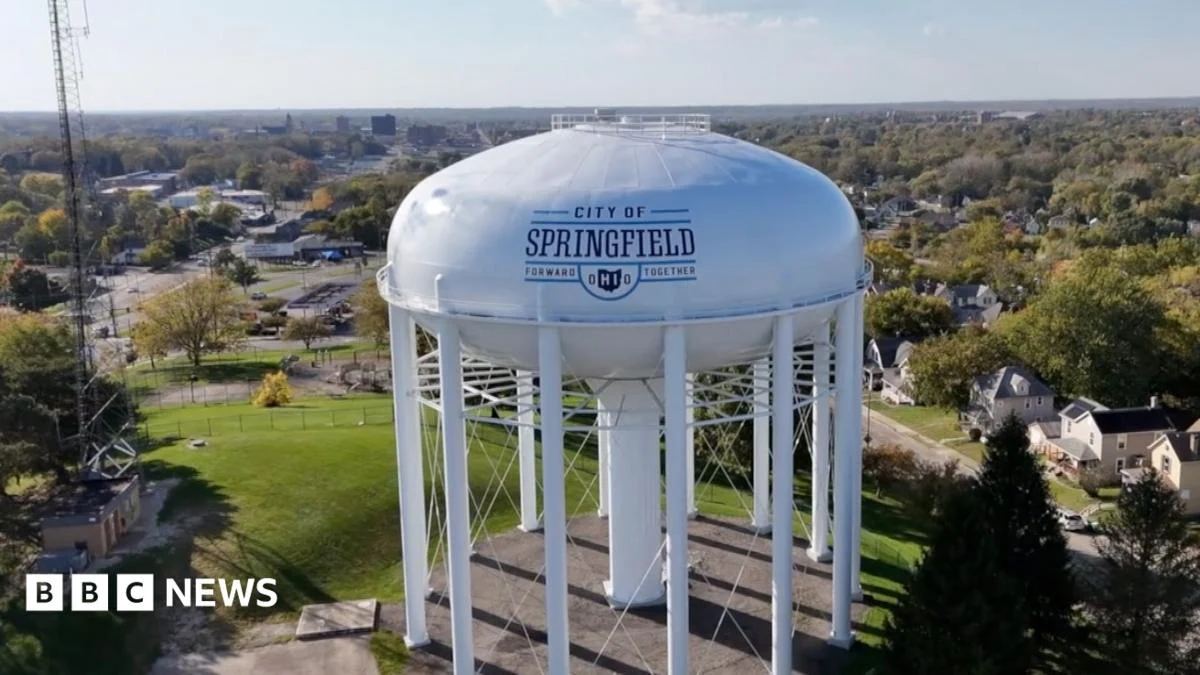
In 2024, former President Donald Trump brought Springfield, Ohio, into the national spotlight after falsely claiming Haitian migrants were stealing and eating pets, an assertion local leaders and fact-checkers rejected. Years after Haitian migrants first arrived and significantly altered the town’s demographics and economy, immigration enforcement policies continue to reshape Springfield’s social and economic landscape.
The false claim intensified scrutiny on Springfield, turning it into a symbol in broader U.S. immigration debates. While the misinformation sparked outrage among residents, Haitian migrants themselves have largely remained focused on building lives and contributing to the community.
KEY FACTS
- Haitian migrants changed a U.S. town, specifically Springfield, Ohio.
- Trump promoted a false pet-eating claim about Haitian migrants in Springfield.
- Springfield remains at the center of ongoing U.S. immigration debates.
- Deportation efforts are currently reshaping the town once again.
- BBC News reported on the town’s transformation and renewed immigration focus.
HOW DID WE GET HERE?
Beginning in the early 2010s, a growing number of Haitian migrants settled in Springfield, drawn by job opportunities in local manufacturing and meatpacking plants. Their arrival helped slow the town’s population decline and revitalized parts of the downtown area. Local businesses adapted quickly, with some employers actively recruiting Haitian workers. Over time, the migrant community became a vital part of the city’s workforce and cultural fabric.
When Trump repeated the unverified claim during a 2024 debate, national attention surged. Fact-checkers debunked the allegation within hours, but the damage to Springfield’s reputation lingered. Despite being cleared, the town struggled with unwanted media coverage and political backlash. Many Haitian residents expressed frustration at being misrepresented on a national stage.
WHO IS AFFECTED?
Springfield’s roughly 20,000 residents include a sizable Haitian population estimated in the thousands. Local officials have defended their integration, noting low crime rates and strong employment participation. However, renewed immigration enforcement under the current administration threatens to remove longtime residents, including those with deep community ties and U.S.-born children. Advocates warn that mass deportations could devastate families and destabilize local industries dependent on immigrant labor.
BBC News reported that deportation raids have already begun, heightening fear among undocumented families. Schools worry about enrollment drops if parents are detained. Faith-based organizations are increasing support services, preparing for potential displacement and legal challenges ahead.
WHAT HAPPENS NEXT?
Federal immigration authorities have not announced a timeline for further deportations in Springfield, leaving residents uncertain. Legal challenges to the enforcement actions are likely, though specifics remain unclear. Community leaders continue advocating for protections and clarity amid shifting national policies.
WHAT WE KNOW — AND WHAT WE DON’T
Verified by the source:
- Haitian migrants significantly changed Springfield, Ohio.
- Trump made a false claim about Haitian migrants eating pets.
- Springfield is again affected by new deportation policies.
Still unconfirmed:
- Exact number of Haitian migrants deported so far.
- Whether federal raids were directly tied to Trump’s comments.
- Total size of Springfield’s Haitian community.
- Precise dates of future immigration enforcement actions.
WHY IT MATTERS
This story reflects how national immigration rhetoric impacts real communities. Misinformation spreads fast, but its effects on small towns can last for years, shaping lives and local economies long after headlines fade.
WHAT TO WATCH
Watch for updates on federal immigration enforcement activity and potential legal responses from advocacy groups in the coming weeks.
Springfield, Ohio, became symbolic of the collision between presidential politics and grassroots immigration realities when Haitian migrants arrived en masse and Trump falsely claimed they were abducting pets, a claim later debunked yet still reshaping lives and law enforcement priorities today.