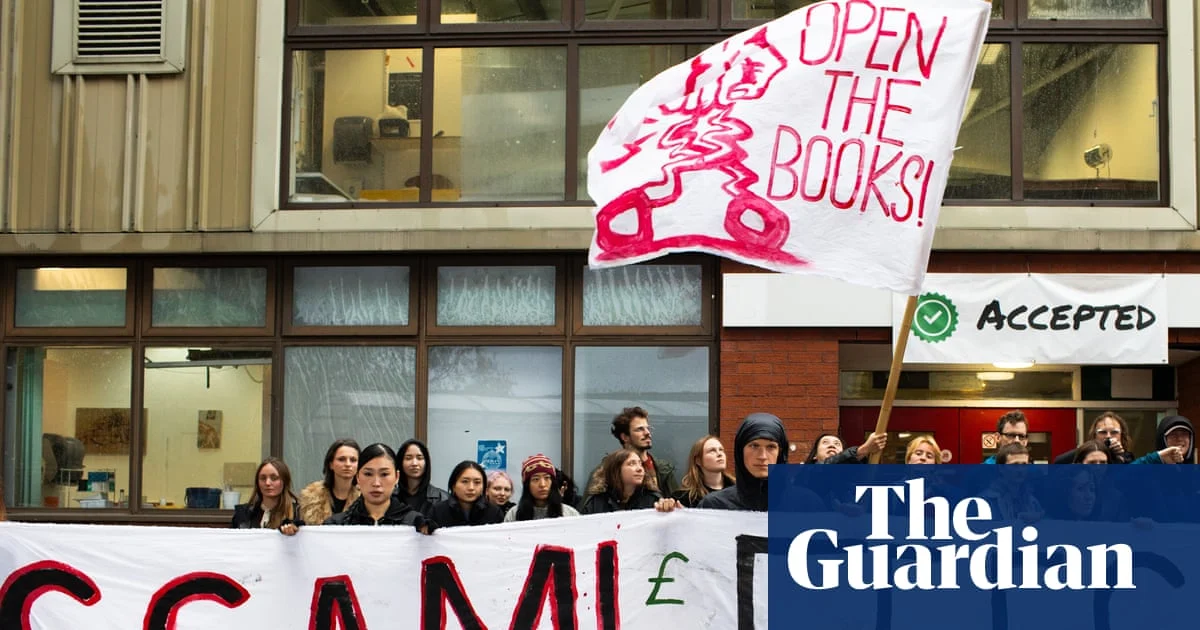
Fine art students at Goldsmiths, University of London are calling for compensation as tutor strikes enter their 21st week, disrupting courses and induction sessions. The industrial action relates to job cuts at the London college.
Students arriving at Goldsmiths this autumn encountered a campus embroiled in what has been described as a bitter industrial dispute. The ongoing tutor strikes have upended timetables and disrupted courses, creating uncertainty for those beginning their studies.
KEY FACTS
- Goldsmiths fine art students are calling for compensation over tutor strikes
- The industrial action concerns job cuts at the London college
- The strikes have entered their 21st week
- Courses and timetables have been disrupted, affecting new students
What Is Being Disrupted?
The tutor strikes have significantly affected the academic experience for incoming students. According to reports, almost all induction sessions were transformed into discussions about the ongoing strikes rather than traditional course introductions. This has created confusion and concern among students who expected standard commencement activities.
The disruption extends beyond induction periods. Regular course delivery has been affected, with timetables repeatedly changing as a result of the industrial action. Students have been left navigating an unpredictable academic environment where planned activities are frequently cancelled or postponed.
The 21-week duration indicates this is a prolonged dispute with no immediate resolution in sight. Such extended industrial action places considerable strain on students’ ability to complete their coursework within normal timeframes.
Who Is Affected and How?
Fine art students at Goldsmiths represent the primary group directly impacted by these tutor strikes. As the strikes enter their 21st week, these students face ongoing uncertainty about their academic progress and the quality of their educational experience.
International students appear particularly affected, with at least one student expressing surprise at the level of disruption encountered upon arrival. The strikes have meant that standard university orientation processes have been subsumed by industrial action discussions, leaving new arrivals uncertain about their course expectations.
The call for compensation suggests students feel their educational investment is being compromised. When tutor strikes disrupt courses and timetables for over five months, students may reasonably question whether they are receiving the standard of education for which they have paid tuition fees.
WHAT WE KNOW — AND WHAT WE DON’T
Verified by the source:
- Fine art students at Goldsmiths are calling for compensation over tutor strikes
- The industrial action relates to job cuts at the college
- The dispute has lasted 21 weeks
- Student arrivals this autumn found courses and timetables disrupted
- Induction sessions were affected by strike-related discussions
Still unconfirmed:
- No specific details about which tutors participated in the strikes
- No exact numbers on how many students are affected
- No official response from Goldsmiths or union representatives
- No timeline for resolution or future negotiations
- No confirmation of which courses beyond fine arts are impacted
Why It Matters
This situation reflects broader tensions in UK higher education between institutional financial pressures and academic staff working conditions. When tutor strikes disrupt courses for 21 weeks, it affects not only current students but potentially the reputation and future enrollment prospects of the institution involved.
The demand for compensation raises questions about how universities handle student concerns when industrial action affects educational delivery. This could set precedent for how similar disputes are managed elsewhere.
What To Watch
Further developments depend on whether negotiations between Goldsmiths and the unions reach agreement. The student compensation demands may prompt official responses from the college administration or university leadership in coming weeks.